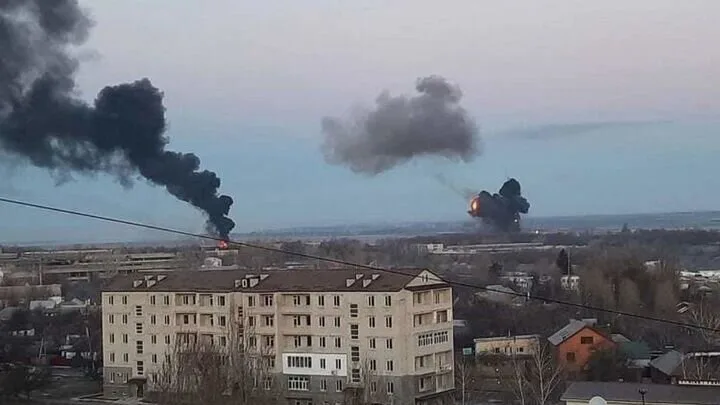
The Governor of Najaf Ashraf, Hussein Al-Moussawi, reported widespread protests by Iraqi traders, students, and patients regarding the Iraqi government's decision to impose flight restrictions on Iranian airplanes. This recently announced decision has created serious problems for many individuals who need to travel to Iran for various reasons.
Economic and Social Impacts of the Restrictions
Al-Moussawi stated: "This decision has not only negatively affected trade and economic exchanges but also has detrimental impacts on the daily lives of people. Iraqi traders are extremely concerned about their situation, and these restrictions will be detrimental to both countries." He added that many traders are on the brink of bankruptcy, and this issue could lead to a decrease in income and employment levels in the region.
Read more: Iraqi and Ben Farhan emphasized strengthening relations between Tehran and Riyadh
Concerns About the Future
In addition to traders, Iraqi students seeking to continue their education in Iran have also been affected by this decision. Many of these students have been forced to take long and costly detours due to the lack of direct flights. Additionally, Iraqi patients traveling to Iran for treatment are facing even more difficulties. This situation has raised serious concerns among the families of these individuals.
Al-Moussawi further stated: "I hope the Iraqi government pays attention to these protests and reconsiders its decisions. We must think about the people's interests and avoid implementing decisions that harm them." He also emphasized that these changes should benefit all parties and aim to strengthen economic and cultural relations between Iran and Iraq.
These protests highlight the need for greater cooperation and coordination between the two countries and can be seen as an opportunity to improve bilateral relations. Traders and ordinary people are calling for dialogue and negotiation with government officials to resolve this issue and hope that future decisions will benefit all parties.
Read more: Saudi Arabia seeks to acquire nuclear weapons with a new agreement · Ibrahimi: There was better oversight, we had 100 billion dollars in unreturned currency