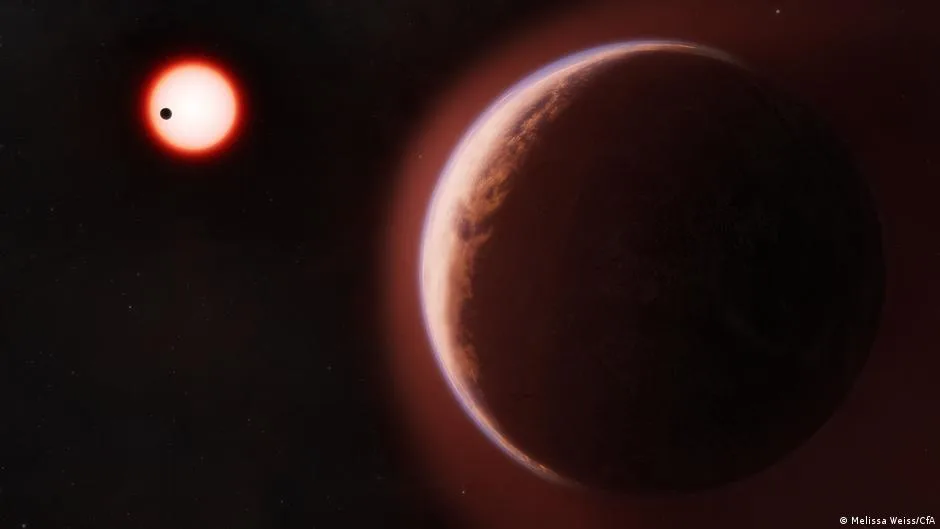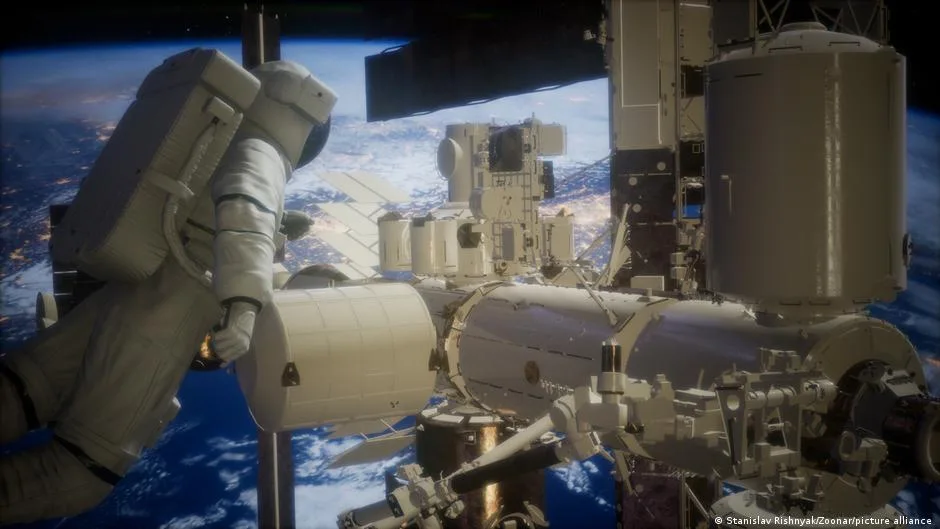
Google changed its logo for World Space Week in 2026 and showcased images from NASA's James Webb Space Telescope. This week is an international event aimed at honoring science and technology and their role in improving human living conditions.
Amazing Images from the Cosmos
In Google's new design, an image of the "Herbig-Haro 46/47" object, captured by the James Webb Space Telescope, has been made public. This telescope, with its ability to observe in the infrared range, has managed to penetrate through dense cosmic dust and capture this object. Herbig-Haro objects are rare structures formed by high-speed gas eruptions from newly born stars, which collide with nearby dust clouds and illuminate them.
Read more: The Role of Engine Oil in Preventing Pre-Ignition and Knock in Gas Engines
Rosebud Nebula and Cosmic Beauties
Previously, the logo design also featured a fresh view of a nebula called the Rosebud Nebula, captured by the James Webb Space Telescope. This nebula is located 3,300 light-years from Earth and is home to over 130 young stars. Its gas and dust clouds have formed in a way that resembles a blooming rosebud, and due to the heating of the dust by these stars, it shines in a bright pink color.
World Space Week is coordinated by the United Nations and supported by the World Space Week Association (WSWA). This association is responsible for leading a global group of national coordinators who strive to promote this week in various countries.
New Perspectives in Space Knowledge
The goal of this event is to provide unique opportunities for promoting space knowledge and education in this field, raising awareness among people around the world about the benefits of space activities, and encouraging broader utilization of space for sustainable economic development. Additionally, this event aims to strengthen international cooperation in promoting space knowledge and education in this area.
This year's theme for World Space Week is "Rocket Revolution," which emphasizes the significant leaps in human achievements over the past decade and the years prior in the field of spaceflight. This year's ceremony also commemorates scientific and technological advancements in astronautics and space exploration.
World Space Week, officially established by the United Nations 27 years ago, commemorates two important historical events: the launch of Sputnik 1, the first artificial satellite of Earth, on October 4, 1957, and the signing of the Outer Space Treaty on October 10, 1967, which established the fundamental principles for the peaceful exploration of the cosmos.
Read more: Dr. Mohammad Anbari and Mapping 125 Million Neural Connections in the Fruit Fly Brain · Mohammad Reza Aref: Elites Should Not Be Disillusioned, the Administrative System Needs Reform