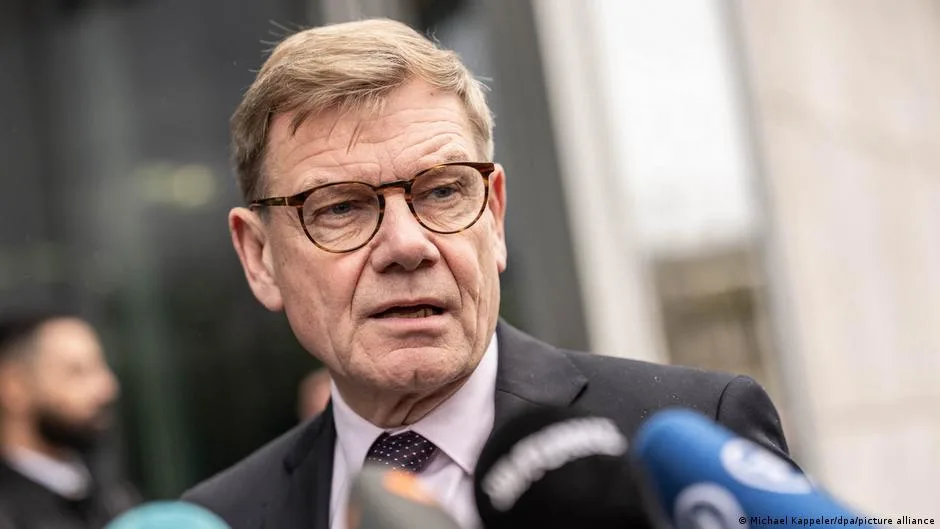
Johann Wadephul, the German Foreign Minister, strongly reacted to the extortion by Iran and the Houthis from global trade in statements made prior to his trip to Istanbul. He announced that his country would never accept this situation and emphasized that this extortion could have negative impacts on global energy supply and fertilizer production.
Consequences of Insecurity in Global Trade
The German Foreign Minister further pointed out that disruptions in maritime routes could not only increase living costs but also jeopardize food security. Wadephul referred to existing concerns about the timely arrival of agricultural fertilizers and warned that this issue could lead to famine in some areas. He also stated: "We all feel the consequences of attacks on maritime routes; whether at the fuel pump or in the supermarket."
Foreign Ministers' Meeting in Istanbul
The German Foreign Minister is set to travel to Turkey on October 23 to participate in a meeting with the foreign ministers of eight countries. This meeting will address maritime security, the Strait of Hormuz crisis, and the Houthi attacks on Saudi Arabia. Wadephul will also discuss with Hakan Fidan, the Turkish Foreign Minister, and the foreign ministers of other countries such as France, the United Kingdom, Italy, Egypt, Pakistan, and Saudi Arabia. He emphasized that recent crises, including Russia's attacks on grain shipments in the Black Sea, require cooperation beyond conventional diplomatic frameworks.
Read more: Vladimir Putin: If negotiations fail, military operations will begin
In this context, Wadephul referred to Russia's role in creating a food crisis in countries of the Global South and described it as a deliberate act to accept the risk of food shortages in these countries. According to him, this situation will hit the poorest people and countries dependent on wheat imports the hardest.
Read more: Peter Thiel: War with Iran was a big mistake · The necessity of nuclear energy for improving the health of the people of Iran