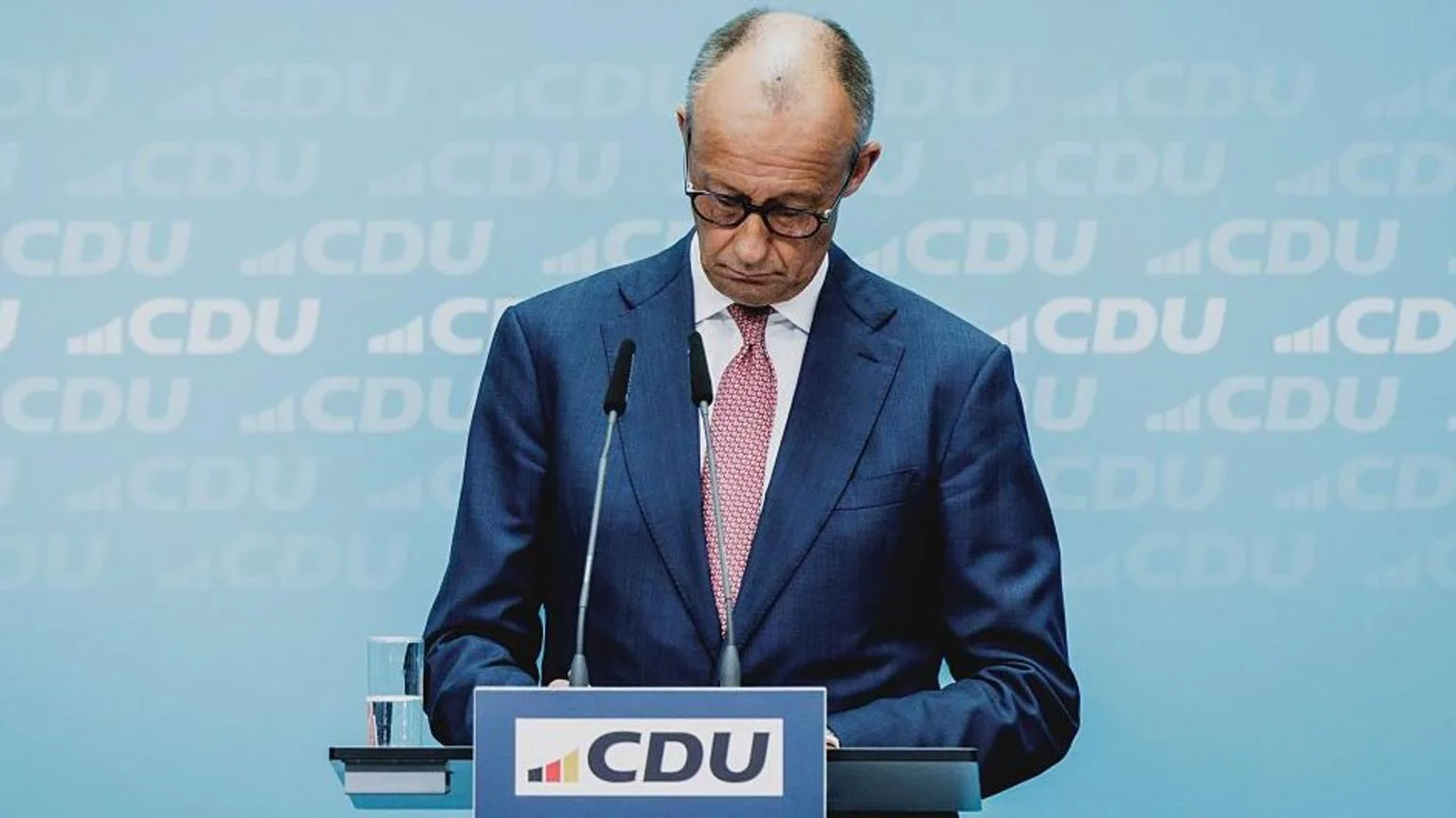
Friedrich Merz, the Chancellor of Germany, has set records that few politicians would want to have. These records are mostly negative and could cost him his job. At the same time, this crisis affects not only Germany but the entire European Union.
Popularity at the Peak of Failure
Friedrich Merz's popularity has dropped to just 13 percent, the lowest recorded for a Chancellor of Germany since public opinion polling began. The enthusiasm of German voters for him was lower than that of all his predecessors from the very beginning and quickly faded. Many people see him as arrogant and out of touch with the real problems of society.
Read more: Chairman of the Supreme Political Council of Yemen: We will never give up our rights
Merz has only been in office for 16 months, but the conservative Christian Democratic Union party under his leadership has achieved three very poor results in state elections over the past two weeks. In the state of Mecklenburg-Vorpommern, the Christian Democratic Party even failed to reach the 5 percent threshold necessary to enter the state parliament.
Rise of Alternative for Germany
In contrast, the right-wing nationalist and anti-immigration party “Alternative for Germany” (AfD) has performed notably well. This party has become the largest political force in two out of the three recent state elections and currently has a chance to form a government in one of the states. Meanwhile, German officials have described some parts of this party as undemocratic and far-right.
Alternative for Germany is also leading in national polls, which is particularly sensitive given Germany's Nazi history. This party heavily criticizes Merz for failing to fulfill his electoral promises and emphasizes the need for political change.
Merz's current situation as Chancellor of Germany appears to be extremely precarious. Rumors of a potential coup within the party are circulating, which could lead to his replacement by a more popular politician. No one is willing to step forward publicly until they have the support of the party.
Economic and Social Challenges
Germany, as the largest economy in Europe, is facing serious economic challenges. The reduced access to cheap Russian energy and rising energy costs have put significant pressure on Germany's export-oriented economy. The country is now the largest single contributor in the world to Ukraine, and its financial situation could impact other European countries.
Merz, facing financial constraints, is trying to reduce Germany's contribution to the European Union budget. While the European Union is seeking to increase its spending on defense and technology projects, Merz finds himself in a challenging position.
Voter dissatisfaction with traditional parties has intensified, especially after the financial crisis of 2007 and 2008. Additionally, the migration crisis in 2015 and the impacts of Russia's invasion of Ukraine in 2022 have influenced public opinion in Germany. These factors have combined to create a situation where voters feel frustrated and disillusioned.
Read more: Horrific accident of the bulk carrier First Margaux with a Chinese fishing boat · Natural gas prices in Europe reach their peak