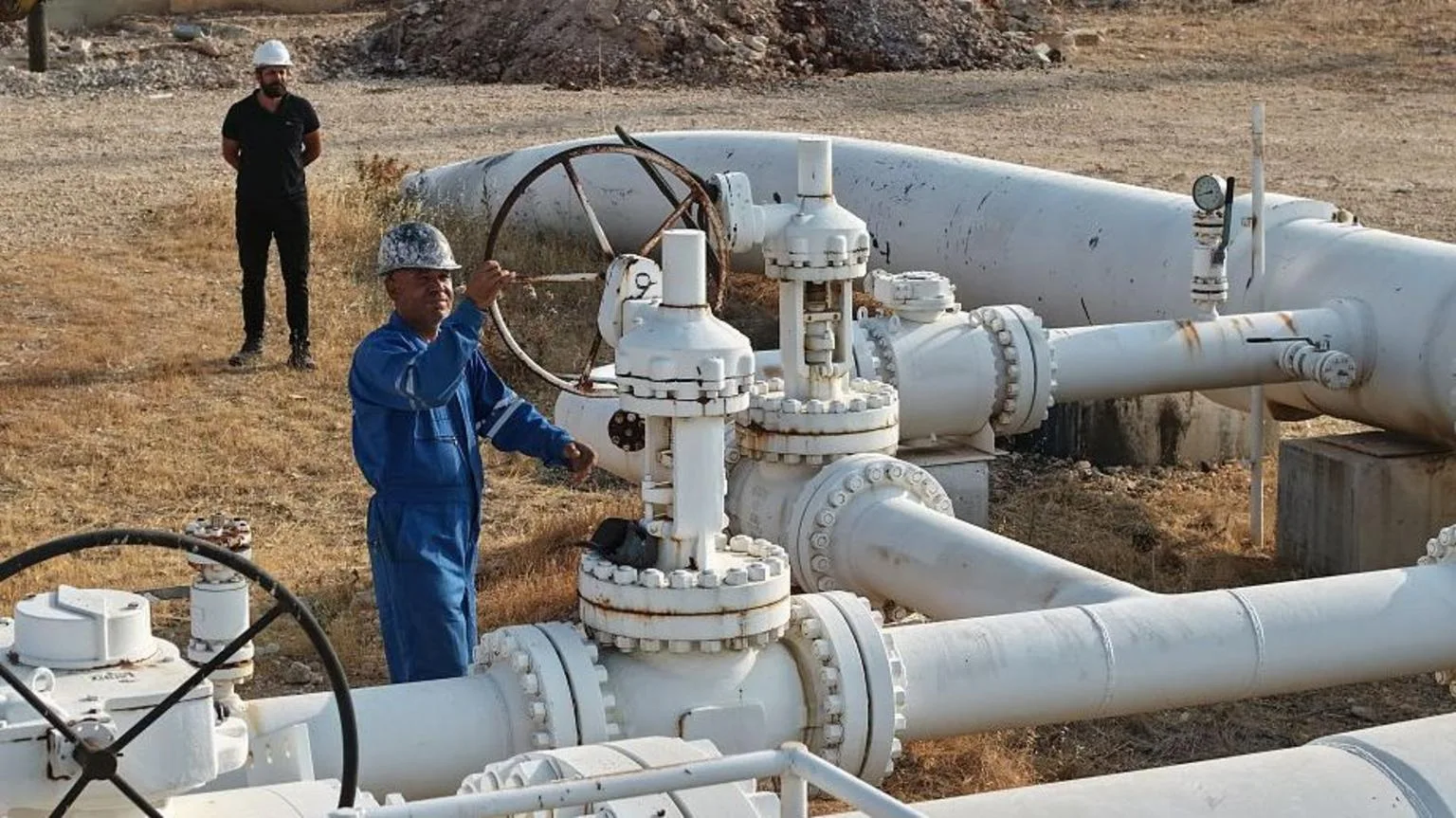
Syria's oil and gas infrastructure has faced a series of explosions, attacks, and other incidents for several months, events that have impacted pipelines from the northeast of the country to the Mediterranean coast.
Deliberate Attacks and Frequent Disruptions
The state-owned Syrian Oil Company has described some of these incidents as "sabotage" attacks, although the cause and perpetrators of all cases have not yet been identified. These disruptions began on August 18, when an explosion halted pumping operations through the gas export pipeline from the Jabsa facilities in the Hasakah province in northeastern Syria. This explosion damaged the gas supply for power generation turbines, but the pipeline was repaired and returned to operation the following day.
Read more: Revealing U.S. Obstruction in Iran-Iraq Trade Relations
Adverse Consequences for Infrastructure
On September 28, a valve in the Jabsa gas pipeline between Al-Shoula and Deir ez-Zor exploded, causing a fire and halting gas transfer to power plants. Repair teams later replaced a 18-meter section of the pipeline. This line used to transport about 950,000 cubic meters of gas daily. On September 30, an explosion in the gas line of the Tishreen thermal power plant in the Rif Dimashq province caused the Tishreen, Deir Ali, and Nasiriyah power plants to go offline. However, the Syrian Electricity Company did not specify the cause of the incident.
On October 7, the Syrian Oil Company reported another "sabotage attack" on an oil pipeline near Tal Hamis in the Qamishli area of Hasakah province. The company stated that authorities had identified and arrested those responsible, but their identities and motives remain unclear. Following these incidents, concerns about the security of energy infrastructure in eastern Syria have increased.
Given that Syria is trying to rebuild its energy sector, which has been severely damaged by years of war and lack of investment, these disruptions could negatively impact the country's economic recovery process. The Syrian government is working to position the country as a significant regional energy transit route and has recently announced plans to attract new investments.
Read more: Mohammad Javad Karami: The Plan to Sell Bread by the Kilogram Needs Thorough Review · Oil Prices Reach Highest Level in Five Months Due to Threats from Tehran