Brent crude oil prices, known as the international oil benchmark, reached $114.72 per barrel, and this price increase occurred due to escalating tensions in the Middle East and Tehran's threats of retaliatory attacks on oil and technology facilities in the Persian Gulf.
Oil Price Increase Following New Tensions
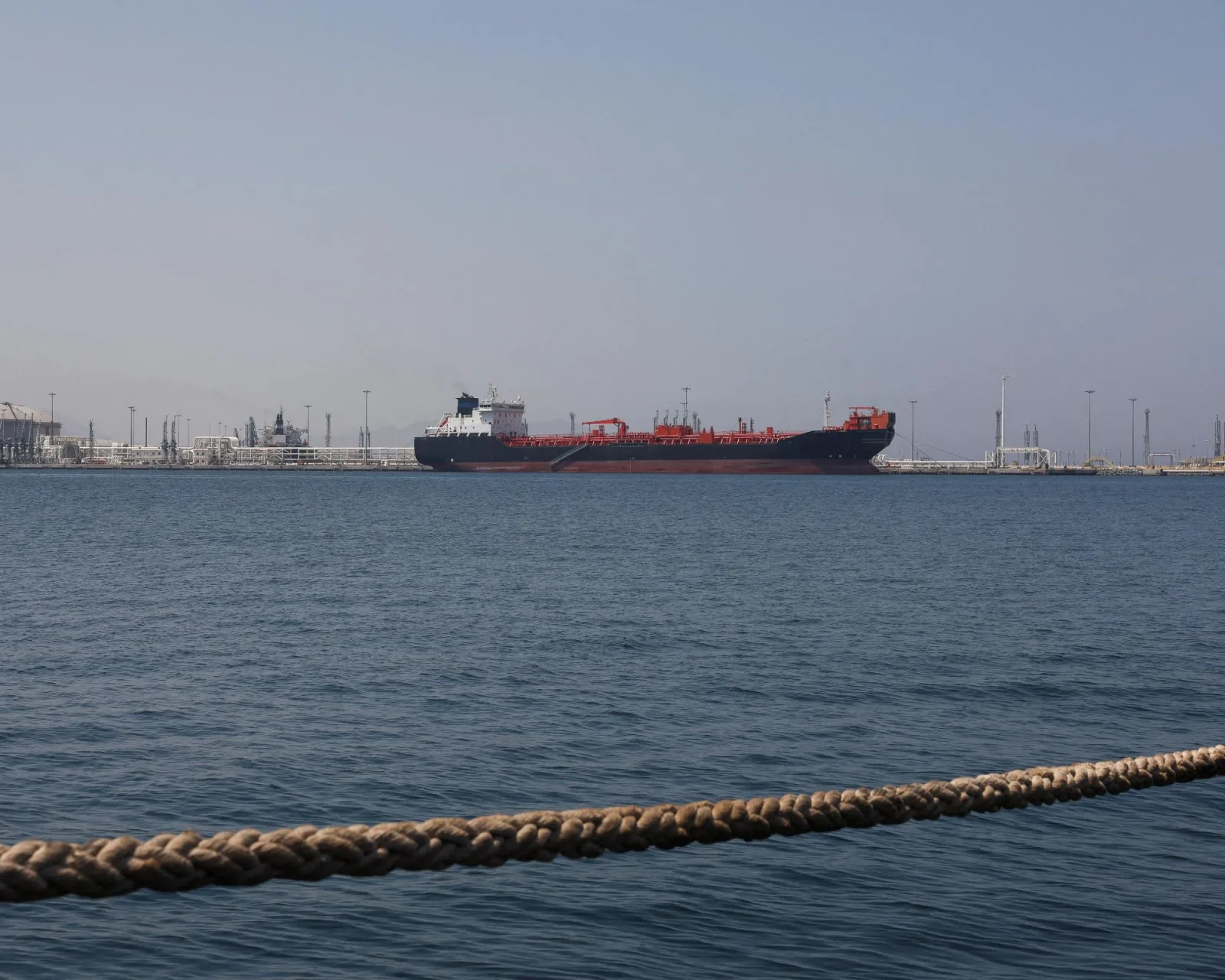
This increase in oil prices occurred on Friday after Tehran announced that it would target oil facilities, underwater cables, data centers, and artificial intelligence facilities in the Persian Gulf if new attacks were launched by the United States and Israel. These threats have raised significant concerns in the energy market and pushed oil prices to their highest level since May.
Richard Hunter, an oil market expert, stated that widespread reports indicate the United States is considering new military options against Iran following the midterm elections. These concerns, along with the prolonged conflicts in the region, which have now lasted eight months, have contributed to the rise in oil prices.
Impact of Recent Attacks in the Persian Gulf
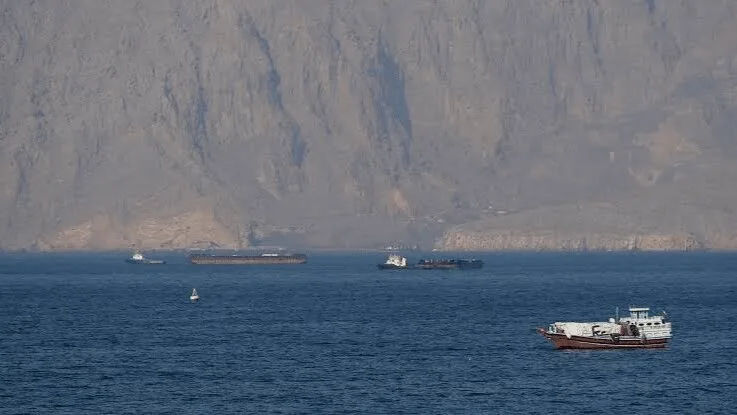
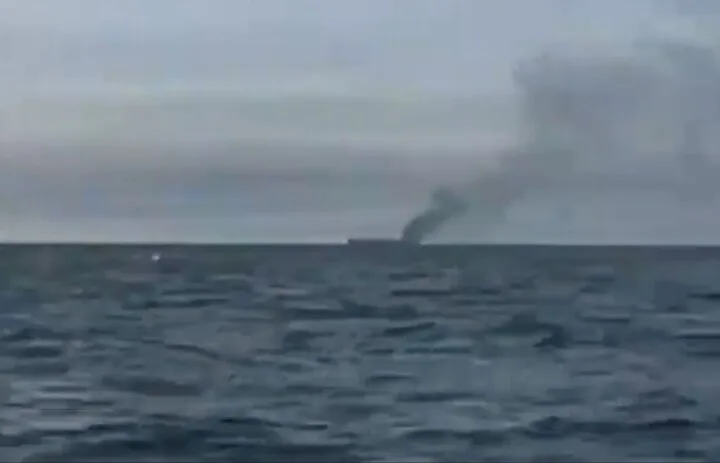
Tensions in the region have increased this week, with Iran's Islamic Revolutionary Guard Corps reporting attacks on four commercial ships in the Strait of Hormuz. Meanwhile, the U.S. State Department has evacuated some diplomats and family members of government employees from Saudi Arabia due to ongoing Houthi attacks from Yemen.
Suzanna Streeter, senior investment strategist at Wealth Club, pointed to rising concerns about potential attacks by American and Israeli forces on Iran's energy infrastructure following the November 3 elections. She also mentioned the escalation of Houthi attacks on Saudi facilities, stating that maritime travel for ships in the Strait of Hormuz remains dangerous.
Streeter also referenced Ukraine's bombing of Russian oil refineries, noting that this has fueled concerns about oil supply. These factors clearly indicate that the energy market situation will remain unstable and tense in the near future.