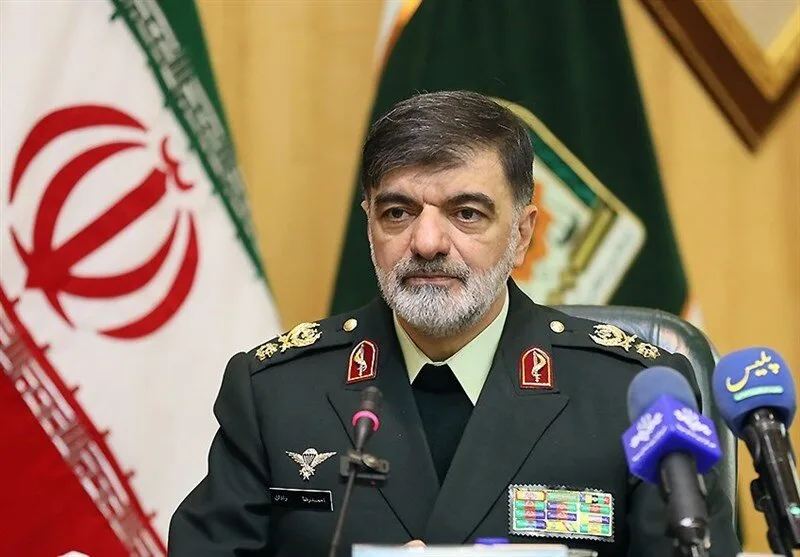
In a controversial move and away from the media's eye, the Commander of the National Police issued new decrees appointing two senior officials in the Traffic Police. These changes occur at a time when the Traffic Police is facing multiple challenges and serious criticisms from the community and the media.
Which Figures Have Entered the Traffic Police?
The new appointments refer to significant names that will directly impact the performance of the Traffic Police. These changes, especially in the current era where security and order on the roads are of special importance, could mark a turning point in the structural reforms of the Traffic Police.
One of these appointments relates to a new responsibility in traffic oversight, which could help improve traffic conditions and reduce accidents. The other has taken on the responsibility of planning and developing the infrastructure of the Traffic Police, which could greatly enhance the efficiency and effectiveness of this institution.
Challenges and Expectations from FRAJA
However, the new appointments in the Traffic Police face numerous challenges. Public criticisms of the police's performance in traffic management and dealing with traffic violations have always been a hot topic in the media and among citizens. Now, with the arrival of new figures, can FRAJA turn these criticisms into an opportunity for change?
Citizens and experts expect that with these changes, the Traffic Police will not only help improve traffic conditions but also ensure road safety and reduce accidents. In this regard, it is essential that these new officials respond to these expectations with practical plans and programs.
Social Consequences of the New Appointments
Changes in the management of the Traffic Police can have widespread social consequences. Especially in the current situation where public trust in law enforcement agencies is at a low level, these appointments could help rebuild this trust. But will FRAJA be able to restore this trust by implementing effective and timely programs?
It seems that given the challenges ahead, these appointments could be seen as the first step towards structural reforms. For the success of these changes, it is necessary for the new officials to enhance the quality of Traffic Police services with the necessary support and adequate infrastructure.
Ultimately, it remains to be seen whether these appointments can help improve the current situation of the Traffic Police or if they will continue to struggle with existing challenges. The future will show whether these changes will be effective in achieving the goals of the police and increasing road safety or not.