The ancient civilizations of the Americas, including the Olmecs and Mayans, are recognized as complex and influential societies in human history. These civilizations played a significant role not only in architecture and art but also in the formation of cultural and social traditions. This report examines the legacy of these civilizations and the hidden secrets in their history.
Early Signs of Civilization in the Americas
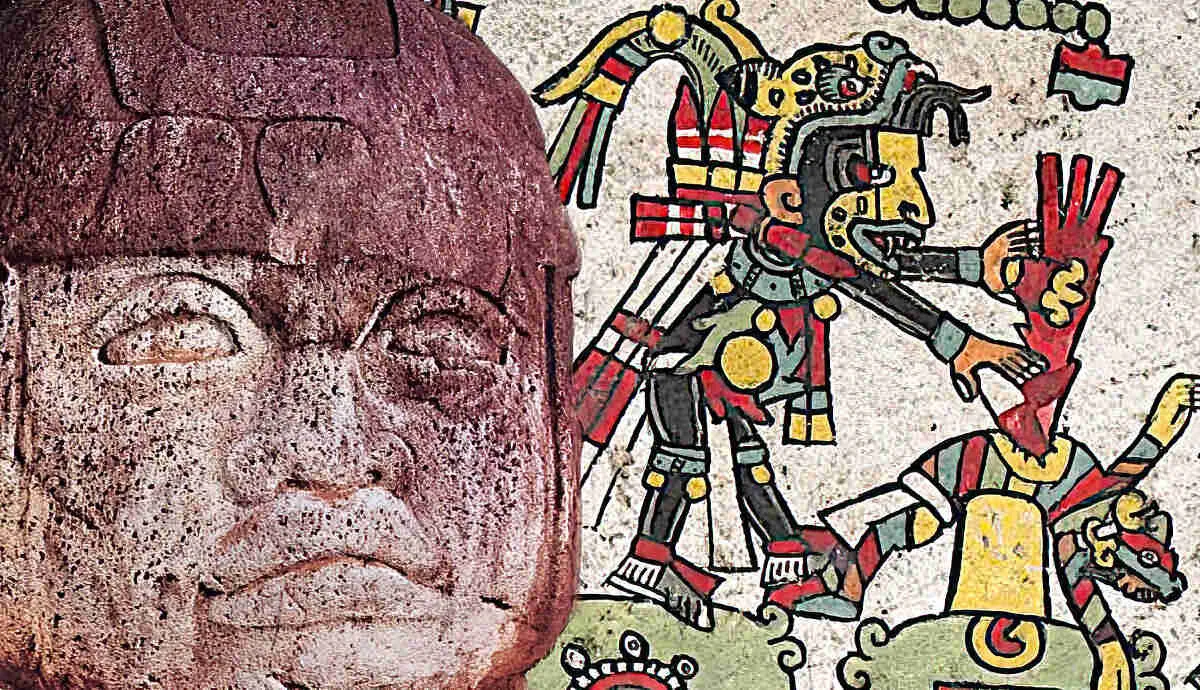
The Olmec civilization, known as one of the earliest known civilizations in Mexico, flourished in the coastal regions of the Gulf of Mexico, particularly in the states of Veracruz and Tabasco from around 1200 to 400 BC. This civilization is famous for its construction of colossal stone heads, some reaching several meters in height. These statues not only demonstrate the artistic ability and social organization of the Olmecs but also reflect their power in moving and utilizing stone resources.
Read more: Pomegranate Rice Shirazi; A Magnificent Choice for Autumn Tables
The Olmecs also produced practical materials using latex from rubber trees. Rubber balls and the tradition of the ball game became particularly significant in Central American history, although the exact origin of this game remains unclear and requires further evidence.
Archaeological Remains and Characteristics of Social Life
The large cities and archaeological remains of other civilizations in the Americas, such as the Mayans, reflect the complex social life and cultural achievements of these societies. The Mayans, with their large cities, precise calendars, and writing traditions, had a profound impact on later cultures. However, these societies cannot be considered components of a single empire, as they lived in different times and regions, and their interactions included trade, cultural exchange, competition, and conflict.
Recent research indicates that in the centuries following the establishment of the Olmec civilization, many other communities in the region flourished and advanced in various fields of art, architecture, and trade. For example, a city that emerged around 100 BC became one of the largest urban centers in the area, with its organized street layout, residential complexes, and religious buildings reflecting the organization of urban life at that time.
Ultimately, although evidence of the language, religious beliefs, and precise meanings of Olmec artifacts is not available, efforts to uncover the secrets of these civilizations continue. New research, particularly regarding the red symbols in a shallow cave in the Chalcatzingo area, has attracted the attention of archaeologists and aids in examining more details of the artistic and written works of these civilizations.
Read more: Jalal Ghafari Qadir: Resistance is a Historical Perspective on World Events