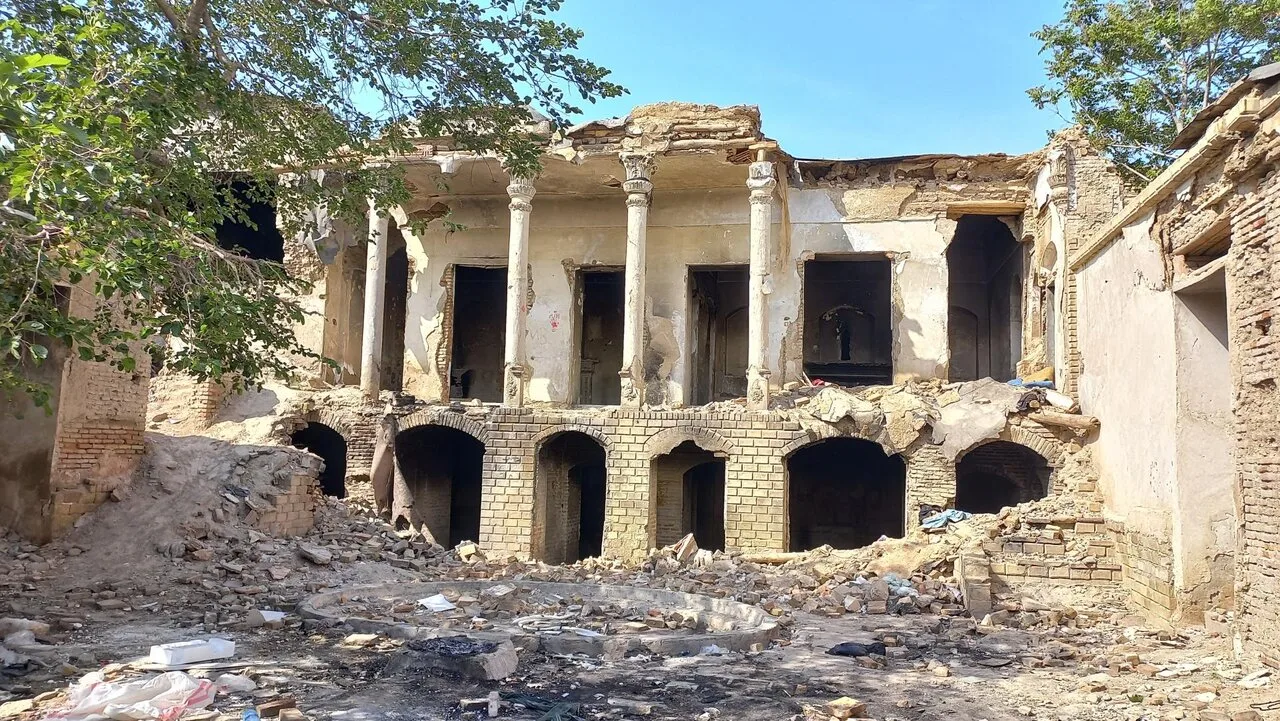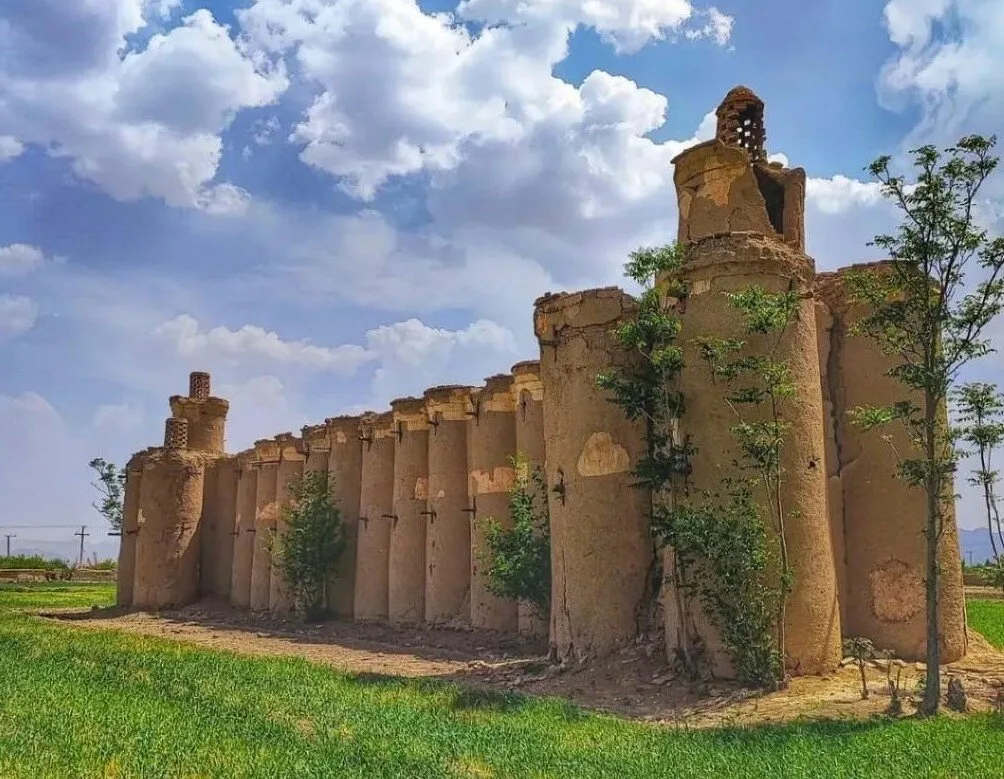
The Flowerjan Pigeon Towers, built during the Safavid era in Iran, are now recognized as valuable historical artifacts. These towers, especially found in the provinces of Isfahan and Yazd, once stood alongside agricultural lands and utilized pigeon droppings to enhance farming.
History and Use of Pigeon Towers
Hafez Karimiann, the director of the Cultural Heritage, Tourism and Handicrafts Department of Flowerjan County, points to the significance and global reputation of these towers. He states: "Flowerjan County, due to its fertile lands and the presence of the Zayandeh River, has been one of the important agricultural areas, and the pigeon towers have had a significant role in this county."
Read more: Public screening of the film 'Sleep' starring Reza Attaran and Marila Zarei begins
According to statistics, more than 150 pigeon towers have been identified in Flowerjan, indicating a strong agricultural heritage in this area. Karimiann emphasizes that in the past, there were over 500 pigeon towers in this county, many of which have been lost over time.
Transformation into Tourist Attractions
Karimiann mentions the Four Towers Pigeon Tower, recognized as one of the largest examples in Iran. This tower, standing 18 meters tall, built with about one million bricks, has nearly 10,000 pigeon nests. He also announces the commencement of organizing this complex before the outbreak of COVID-19 and hopes that it will be operational by the end of the year.
Additionally, there is another example of pigeon towers with 20 interconnected towers that has a unique plan. This complex appears like a castle from afar and represents the architectural advancement of its time.
With the change in agricultural methods and the prevalence of chemical fertilizers, the traditional function of pigeon towers has gradually diminished. Currently, only about 10% of the towers are still used for producing pigeon manure.
Karimiann believes that these towers should be organized and preserved as heritage sites. He adds that an investment package has been prepared for establishing tourism facilities in these areas, but the current economic conditions pose challenges.
Read more: How to prepare delicious homemade chicken restaurant-style · Publication of the list of Persian manuscripts in the National Library of Tunisia