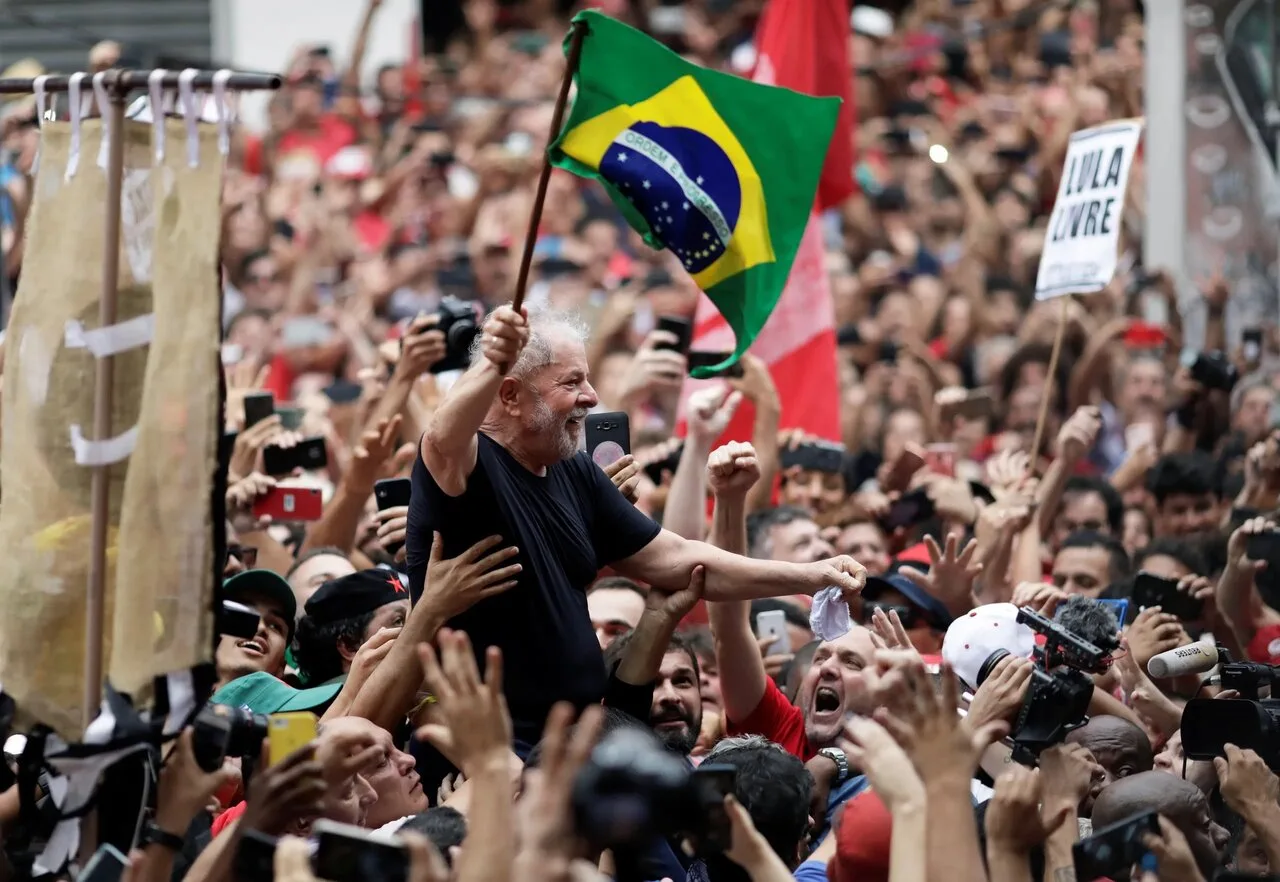
The 2026 Brazilian presidential election was a scene of a gripping competition between Luiz Inácio Lula da Silva and Flavio Bolsonaro. In this election, Lula achieved victory over Bolsonaro, marking a historic transformation in the largest economy in Latin America. This result not only reflects the power of change in Brazilian democracy but also highlights the deeper challenges faced by right-wing politicians in the country.
Strategic Errors and the Glass Ceiling of the Right
One of the key factors in Flavio Bolsonaro's defeat was his strategic errors during his presidency. Bolsonaro's economic and social policies, which were influenced by political and health crises, failed to garner public satisfaction. Meanwhile, Lula, with promises of improving economic and social conditions and focusing on the people's livelihood issues, managed to gain significant support from various segments of society.
Read more: Ursula von der Leyen and the Effort for Closer Ties Between the European Union and Canada
Additionally, the right-wing movement in Brazil faces a glass ceiling that hinders their influence among various segments of society. Many voters, especially the youth and marginalized groups, were looking for an option that represented change and hope, which ultimately benefited Lula.
Organization in the Virtual Space and Foreign Support
Alongside Bolsonaro's mistakes, unprecedented organization in the virtual space also played a crucial role in this election. Lula's supporters effectively disseminated their messages rapidly through social media platforms and managed to encourage young people to participate in the elections. This organization not only increased voter participation but also shifted the election atmosphere in favor of Lula.
Foreign support was also significant in this victory. Many international observers and politicians from other countries supported Lula, helping him to be recognized as a global leader on social and environmental issues. This support contributed to attracting more votes for Lula and indicated a shift in the global perception of Brazil and its policies.
The result of the 2026 Brazilian elections was not only a victory for Lula da Silva but also a sign of deeper changes occurring in Brazilian politics. This election demonstrated that the people of Brazil are seeking leadership that can restore hope and change to society, and this message could have profound impacts on the political future of the country.
Read more: Friedrich Merz: Iran Acts Stronger in Negotiations with the U.S. Than We Imagine · Flavio Bolsonaro Left Brazil and His Fate is Uncertain