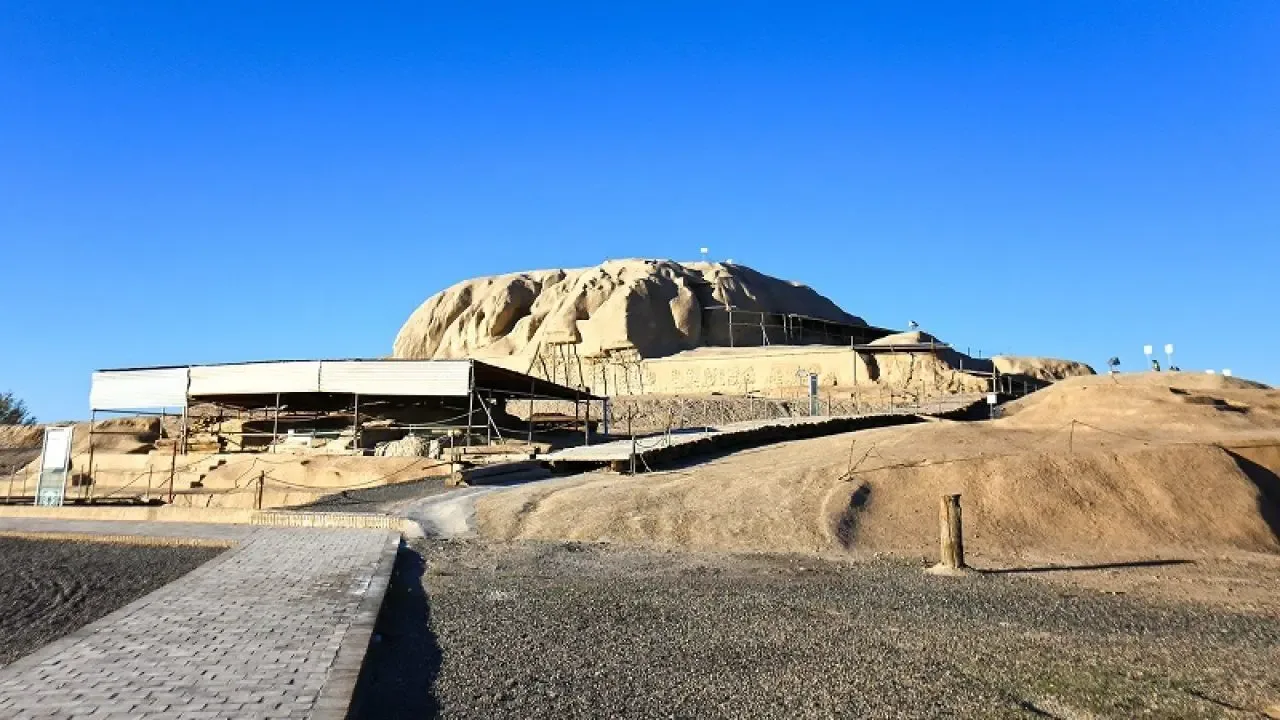
Fereydoun Beiglari and Kamyar Abdi, two Iranian archaeologists, reveal the serious challenges facing Iranian archaeology. These two experts criticize the structure of university education and the state of research in the country, warning about the waste of human resources.
Poor State of Archaeological Research
Kamyar Abdi, an archaeologist and university professor, points to the lack of targeted research programs as a criticism of the state of archaeological research in Iran. He says: "This field suffers from a lack of long-term research programs, and the activities of archaeologists are limited to studies related to construction projects and protective measures."
Read more: Professor Abbas Shirkhoda and the Zurkhaneh Bell for Collecting Charitable Donations
Abdi also points to the poor job market and adds: "Every year, about 50 people graduate with a PhD in archaeology from Iranian universities, but there is no capacity to absorb this number of specialists in the responsible cultural heritage institutions."
Development Pressure on Archaeological Sites
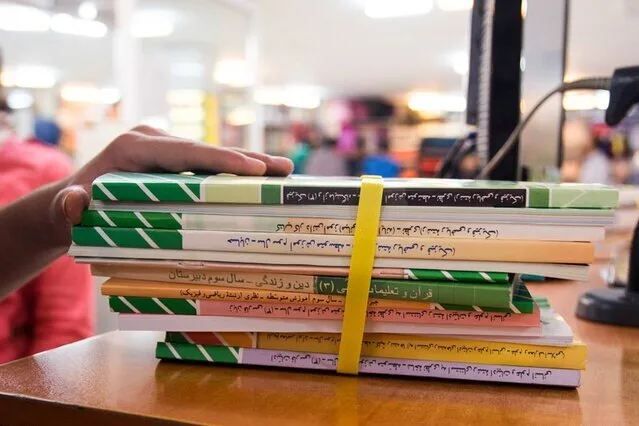
Fereydoun Beiglari, a Paleolithic archaeologist, sees the roots of many problems in the rapid expansion of academic groups in the 1990s and 2000s. He says: "During this period, a large number of students were admitted to the archaeology program without sufficient attention to the quality of education and professional outlook."
Beiglari also points to the dependence of archaeology on government institutions and adds: "In Iran, a stable and appropriate job market for this field has not yet developed, and archaeological sites are at risk of destruction due to construction activities."
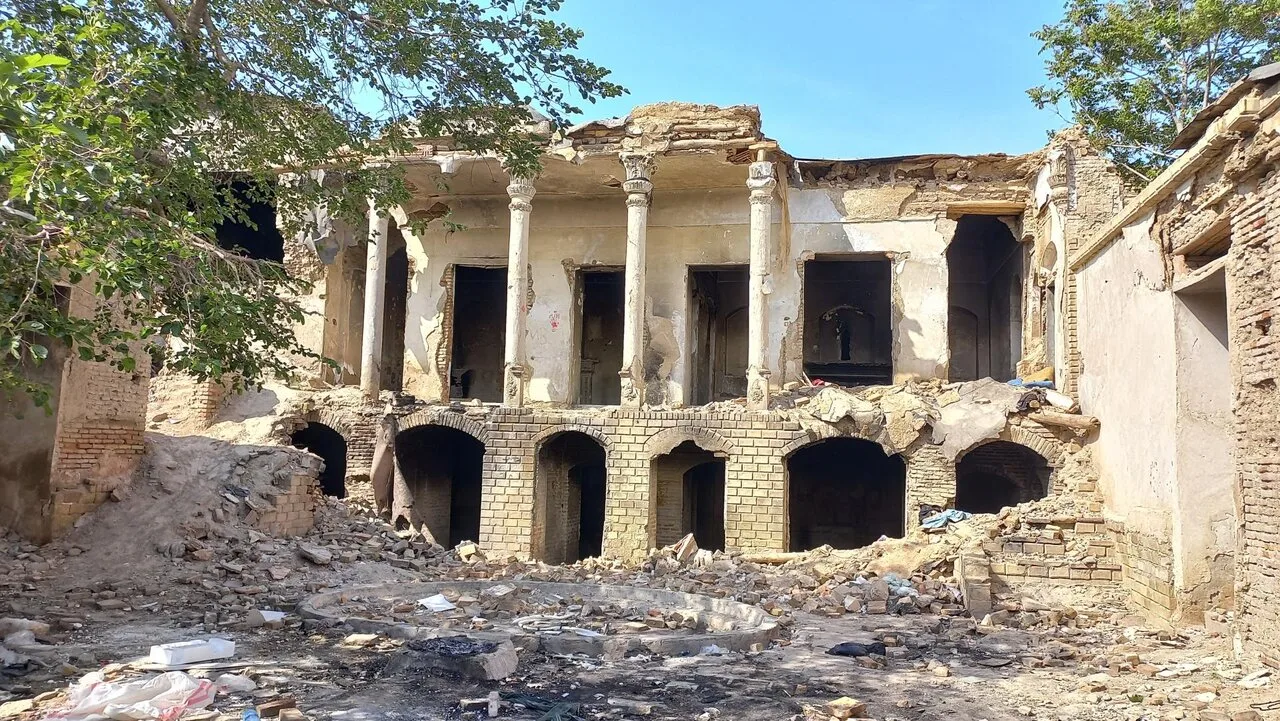
This archaeologist emphasizes the need for the development of rescue archaeology and states: "Dam construction, road building, and urban expansion have put many archaeological sites in Iran at serious risk of destruction."
Lack of Laboratory Infrastructure and Interdisciplinary Specialists
Beiglari considers the lack of laboratory infrastructure and interdisciplinary specialists as one of the most serious obstacles to the advancement of archaeology in Iran. He emphasizes that contemporary archaeology requires collaboration among various disciplines, and the absence of equipped laboratories, especially for absolute dating, has limited the research capabilities of the country.
According to him, "Accurate dating of layers and archaeological findings can clarify the chronological order of settlements and cultural transformations. Without such data, researchers cannot answer many fundamental questions."
International Challenges and Scientific Isolation
Beiglari also refers to political complexities and international sanctions, stating: "These conditions have reduced the possibility of implementing joint projects with reputable global universities and institutions." He believes that these problems have made the exchange of technical knowledge and access to up-to-date research opportunities difficult, exacerbating the scientific isolation of Iranian archaeology.
Ultimately, Beiglari and Abdi emphasize that to improve the state of archaeology in Iran, there is a need for precise planning, investment in infrastructure, and the creation of job opportunities for graduates in this field. They believe that by adopting effective approaches, it is possible to contribute to the preservation of cultural heritage and create employment for archaeologists.
Read more: Issuance of the First Permit to Attract Afghan Tourists in South Khorasan · Iran Will Respond to Attacks by the U.S. and Israel on Oil and Technology Facilities in Gulf Countries