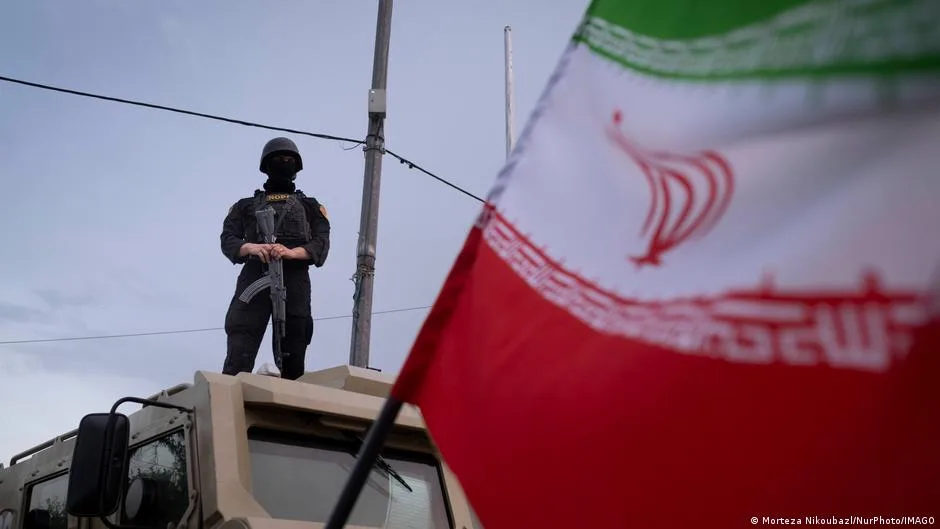
With increasing economic pressures in Iran, it seems that the government is looking for ways to fund its repression. In this context, a new wave of asset seizures from opponents and minorities has begun, raising alarm bells for many.
Economic Consequences of Repression
Economic experts believe that these policies not only negatively impact people's livelihoods but can also lead to hyperinflation and increased public dissatisfaction. In fact, with each repressive action, a heavier burden is placed on Iran's already damaged economy.
Concerns have particularly increased regarding minorities and political opponents. They are continuously targeted, and their assets are seized, which can lead to heightened tensions and discontent within society. Does the government really think it can control the situation with these methods?
Security-Oriented Economy
Analysts believe that the current trend indicates a more security-oriented economy in Iran. Under these conditions, funding the costs of repression from public resources and the people's table has become a bitter reality. This clearly shows that the government, instead of addressing the basic needs of the people, is focused on repression and pressure against opponents.
This situation not only exacerbates economic crises but can also have severe social and political consequences. In other words, with each seizure and act of repression, the government not only increases dissatisfaction but also places itself on a path with no return.