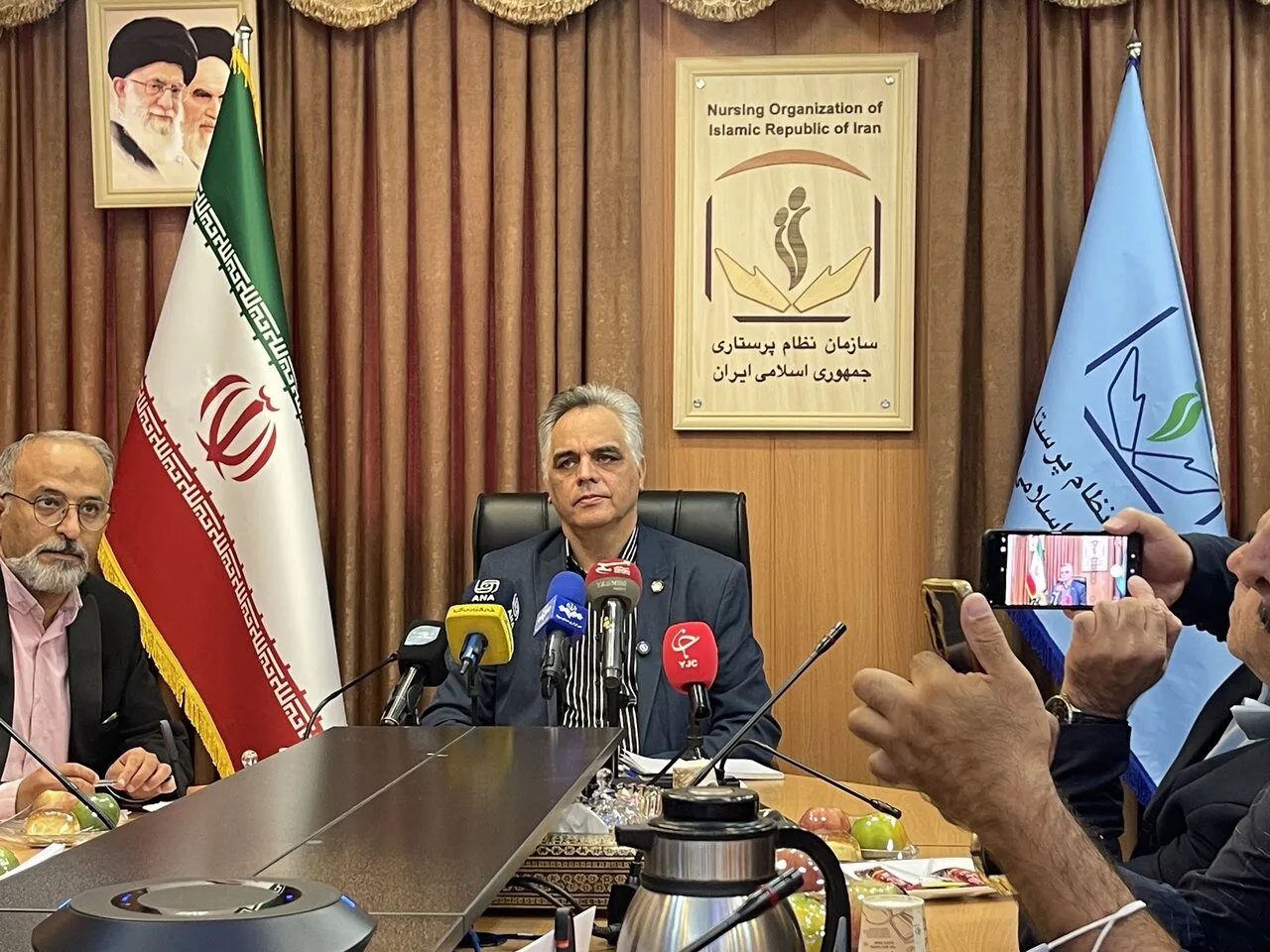
Dr. Ahmad Najatian, head of the Nursing System Organization, spoke at a press conference on Nurse's Day, held on the occasion of this day, about the human resource crisis in the country's healthcare centers and pointed out the shortage of over 100,000 nurses in the country. This shortage, especially in the current economic conditions, poses a serious challenge to Iran's health system.
Human Resource Challenges in the Health System
Najatian emphasized that the country is not in a normal situation, stating that although military conflict has seemingly stopped, concerns in various areas still exist. He referred to the economic pressures that have affected the lives of healthcare workers, saying: "The income of nurses is in no way commensurate with the economic conditions and living costs."
Read more: The difference in Alzheimer's between women and men; the secret lies in proteins
The head of the Nursing System Organization also pointed out the fundamental challenges in the nursing field, saying: "One of the main problems is the lack of a common definition of the standard human resources needed in hospitals." According to the proposed standard, 1.8 nurses are needed for each hospital bed, while in some other countries this ratio exceeds 3 nurses.
Migration and Resignation of Nurses
Najatian continued by addressing the migration and resignation of nurses, expressing concern that about 3,500 individuals left public hospitals last year, and this situation has not been limited to last year but has continued in recent years. He also referred to the decrease in the requests for necessary documents for migration, stating: "Although the number of requests for good standing certificates has decreased, this does not mean an improvement in the human resources situation."
The head of the Nursing System Organization further stated: "Our concern is that some nurses have turned to other jobs instead of migrating or have become homebound. This situation is not favorable for the health system."
Criticism of the Tariff System and Payment of Claims
Najatian criticized the status of nursing tariffs, saying: "Tariffs are set much lower than the volume of activities and responsibilities of nurses." He referred to last year's agreement to increase tariffs by 100% and added: "This increase, surprisingly, was only 67%. In a situation where some other groups have experienced a 120% increase, this figure cannot address the economic problems of nurses."
He also mentioned the delays in the payment of nurses' claims, stating: "By the end of Mehr this year, some nurses have still not received the tariff related to last Esfand. These delays are considered an injustice to the nursing community in the current conditions."
Need for Oversight of Nursing Services
Najatian addressed the problems arising from the activities of unqualified individuals in nursing services and referred to the phenomenon of "nurse impersonators" as one of the serious issues. He emphasized that without sufficient legal tools for oversight, it is impossible to address this problem. He also pointed out the necessity of support from the medical community for the demands of nurses, saying: "Many doctors are advocates for nurses' rights and there is good cooperation between the two groups."
In conclusion, the head of the Nursing System Organization referred to the activities of foreign nurses in the country, stating: "Some of these individuals do not have legal permits and must leave healthcare centers, while another group is working legally with the approval of the Ministry of Health."
Read more: Mansour Alimardani: The drug shortage is due to financial problems in pharmacies · Establishment of five support centers for patients in Tehran