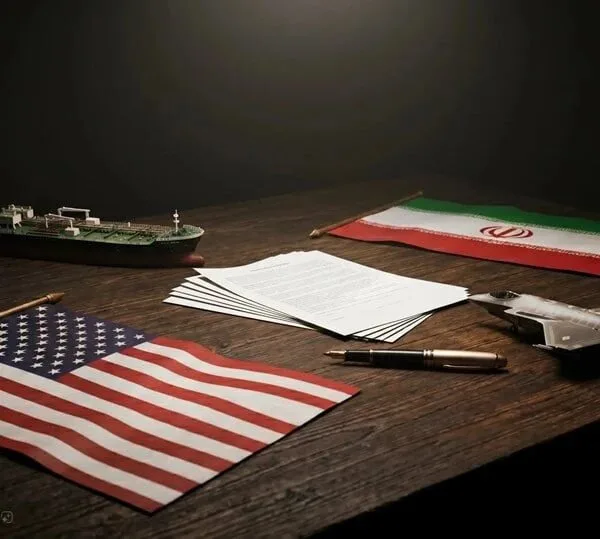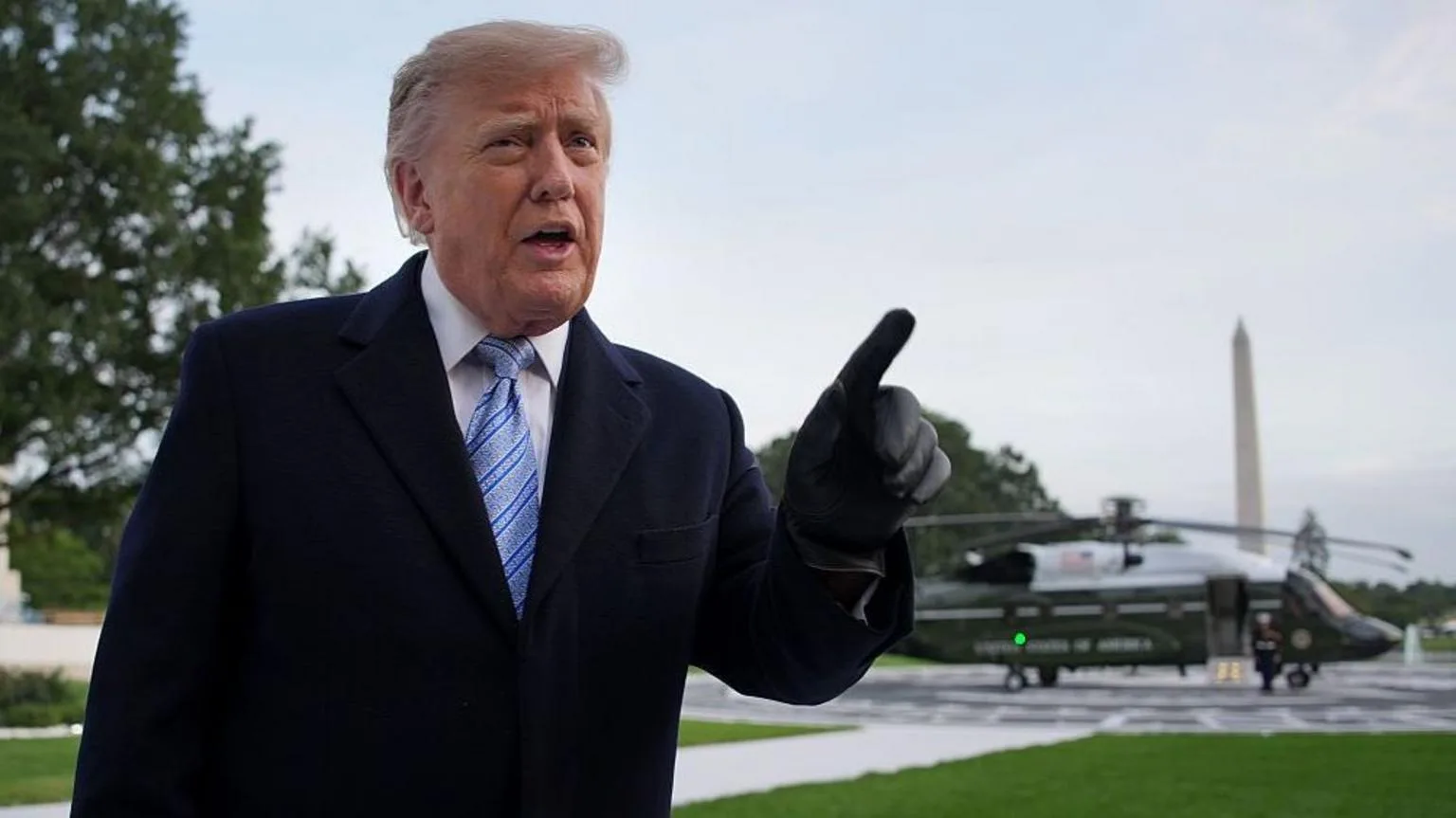
In recent months, Donald Trump has repeatedly threatened Iran with widespread destruction, from attacking power plants and returning the country to the "Stone Age" to warning about the death of "a complete civilization." In his speech on September 22, 2026, at the United Nations General Assembly, he also spoke of the "destruction of the Islamic Republic."
History of Threats in Trump's Political Rhetoric
Such phrases from political leaders are not common and usually receive widespread attention, but when these words come from the President of the United States and the leader of one of the most powerful countries in the world, they provoke more attention and sensitivity. Trump previously mentioned the possibility of attacking 52 targets in Iran, including culturally significant sites, in January 2020.
Read more: Seyyed Abbas Araghchi talks about the impact of his trip to China on the regional strategic balance
This history shows that the use of such language has long been part of Trump's political rhetoric in dealing with foreign rivals. In these threatening statements, he has sometimes spoken of the destruction of a country and at other times addressed a civilization. This difference can change the meaning, scope, and consequences of such threats.
Hidden Messages in Trump's Threats
The use of the language of "destruction" in international politics has a long history. According to some analysts, Trump wants to convey specific messages with these threats and how much international law has set boundaries and limitations for threatening other countries. Robert Rowland, a professor of communication studies at the University of Kansas, says: "I have never seen a leader of one of the great powers use such harsh language." He also points out that the use of such language and threats by the leader of a Western democracy is unprecedented.
In contrast, Roseanne McManus, a professor of political science at Pennsylvania State University, distinguishes between the intensity of Trump's rhetoric and the historical warlike language in leaders' speeches, stating: "Trump's phrases are more theatrical than those of other leaders." In her view, this language can also backfire and, in some cases, undermine deterrence.
Ultimately, Trump's tone and threats not only affect U.S.-Iran relations but can also impact Iran's political and social structures. Therefore, the speaker of these threats - the President of the most powerful country in the world - carries significant importance and seriousness.
Read more: Sasan Karimi: Araghchi should not limit himself to bilateral meetings · Iran and the lack of a nuclear agreement have raised oil prices again