Donald Trump's agreement with Russia to increase diesel supply has emerged as Houthi's deadly attacks on Riyadh airport have raised the risk of opening a new front in the war with Iran. These developments reflect the complex connections between Iran's war, energy issues, and U.S. foreign policies.
Simultaneous Crises in Washington
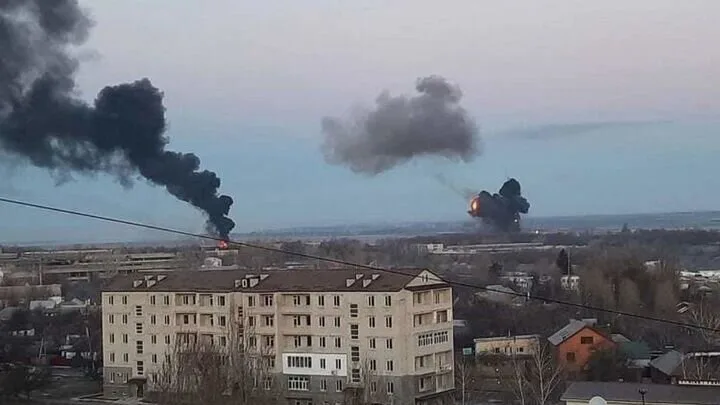
Houthi attacks on Riyadh International Airport, which resulted in at least 12 deaths and over 300 injuries, have once again highlighted the vulnerability of civilian infrastructure to the expansion of war. In this context, Chris Murphy, the Democratic senator from Connecticut, criticized Trump's policies towards Iran, stating that the war in the Middle East is expanding rather than nearing an end.
Read more: China Strengthens Military Relations with the U.S. and Warns Japan
Murphy, who recently returned from a trip to Saudi Arabia, called for an end to U.S. military operations against Iran and pointed to Tehran's missile and drone capabilities. He also spoke about the financial and human costs of these wars for the United States and accused the Trump administration of concealing the true dimensions of the war.
Criticism of Trump's Agreement with Russia
Scott Pruitt, the U.S. Secretary of the Treasury, also defended the Trump administration's economic policy towards Iran, emphasizing that Washington will continue to pressure the Iranian economy. Meanwhile, some senators, including Tom Tillis, the Republican senator from North Carolina, have criticized Trump's agreement with Russia, warning that this action may violate U.S. laws.
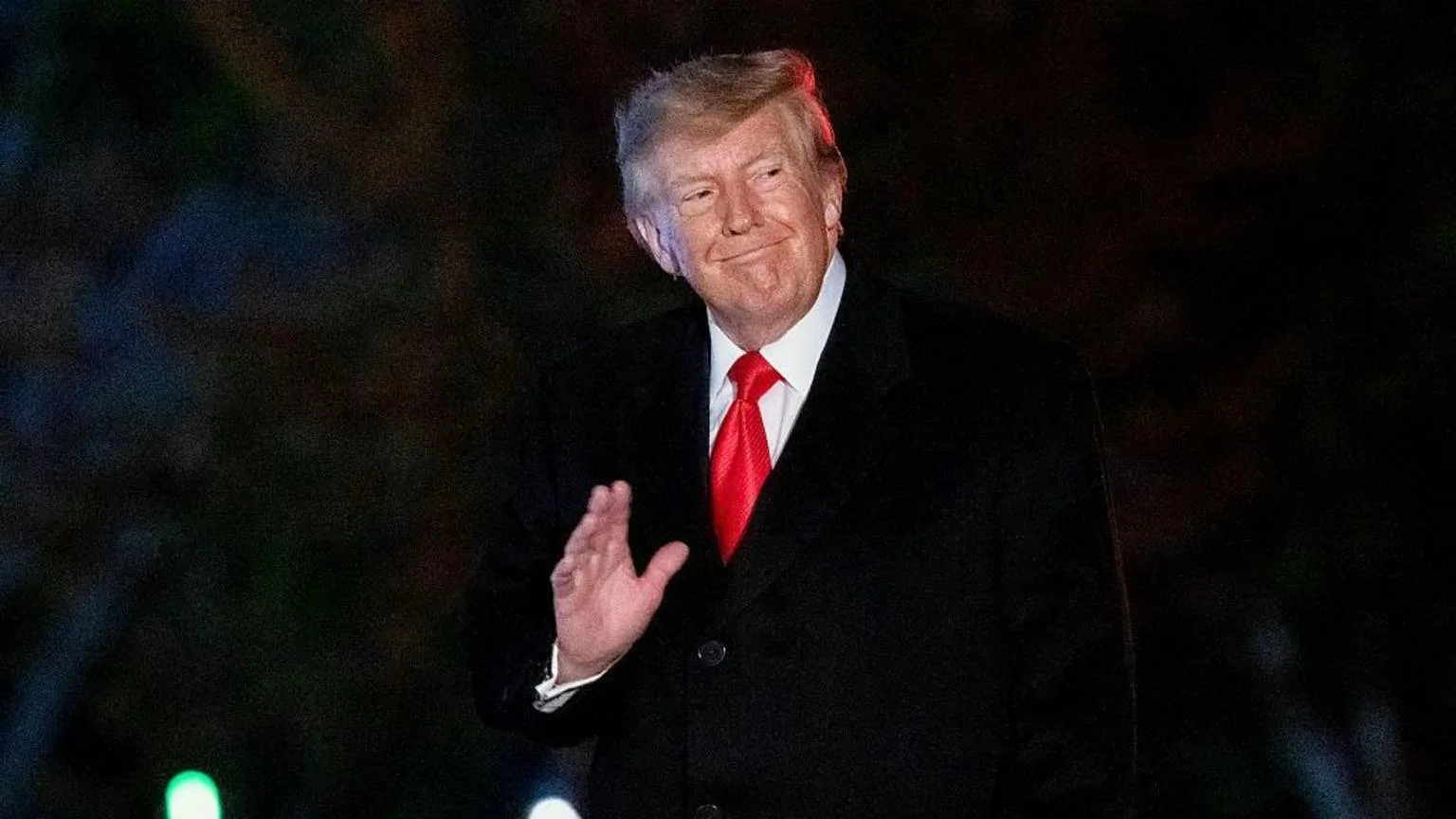
Trump's agreement with Vladimir Putin, aimed at reducing fuel costs ahead of the midterm elections, has faced widespread criticism from Congress and European allies. Critics believe that this agreement could help finance Russia's war against Ukraine.
As the war in Iran has previously had negative impacts on energy markets and maritime transport, Houthi attacks on airports reveal a new dimension of the humanitarian and economic consequences of these conflicts. This situation not only leads to human casualties but also poses a serious threat to civilian infrastructure and flight security in the Middle East.
Read more: Saudi Arabia Reports Destruction of Houthi Ballistic Missile · Donald Trump: We Will Not Attack Iran Before the Midterm Elections