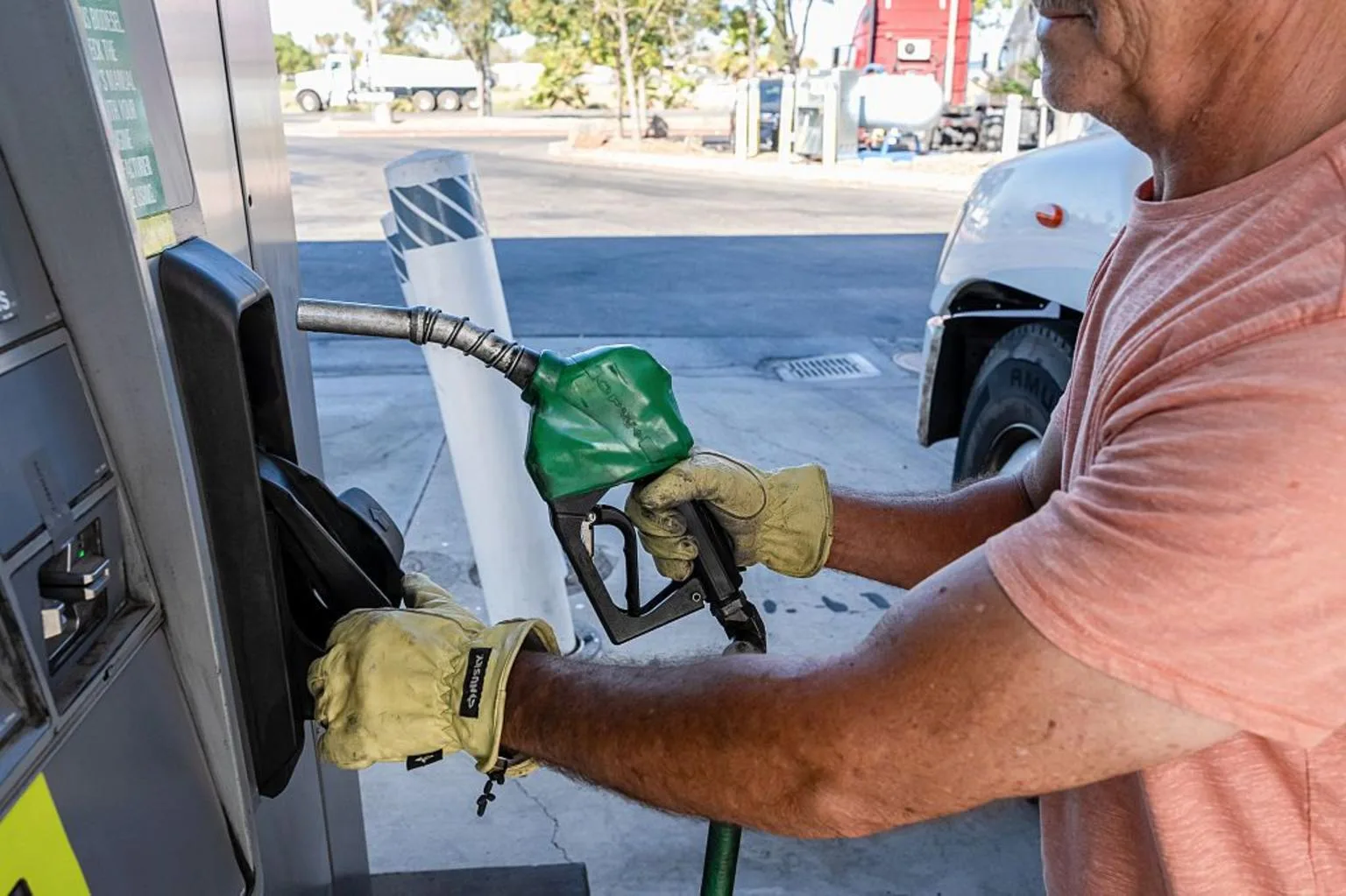
Donald Trump, the President of the United States, has recently supported the ban on the sale of diesel from American producers to foreign markets. This decision comes at a time when the sharp rise in fuel prices has put pressure on drivers ahead of the midterm elections.
Rising Fuel Prices and Contributing Factors
According to statistics from the American Automobile Association, the average price of diesel has reached about $6.45 per gallon, close to the highest level ever recorded. The ongoing war between the U.S. and Israel with Iran and supply constraints in the global market are considered contributing factors to this price increase.
Read more: Akbar Yavari: With the arrival of autumn products, potato prices will decrease
Trump and his supporters believe that the diesel export ban could protect domestic consumers from rising prices. However, experts warn that such a decision could have widespread economic consequences within the U.S. and around the world.
Economic Consequences of the Diesel Export Ban
The U.S. is one of the largest energy producers in the world, and according to the U.S. Energy Information Administration, the country's refineries produce about four to five million barrels of diesel daily. Currently, Americans consume about 3.6 million barrels of this production daily, and refineries export between 1.2 to 1.5 million barrels of the remaining amount. This makes the U.S. a vital supplier in the global market.
Between 60 to 70 percent of this exported fuel goes to Latin America, where countries like Mexico, Brazil, Chile, and Ecuador heavily rely on diesel imports from the U.S. to meet the energy needs of their transportation and industries. Additionally, significant amounts of this fuel are exported to European countries such as France, the Netherlands, and the United Kingdom.
Trump has emphasized in his statements that restricting or even banning diesel exports could lower prices for American consumers and relieve pressure on drivers and businesses. However, economic analysts warn about the repercussions of this decision and believe that this action could lead to higher prices in the global market.
David Fyfe, chief economist at Argus Media, states that cutting off U.S. supply to global markets will likely cause prices to spike in the international market. This could increase global transportation and industrial production costs and ultimately bring inflation back to the global economy.
In the UK, diesel prices at fuel stations have reached their highest historical level, raising concerns about rising transportation costs and pressure on household budgets. John Healey, the UK Chancellor, has pointed to the possibility of a diesel export ban from the U.S. and stated that his country is preparing for such a scenario.
Read more: Guide to Choosing a Platform for Purchasing Gold on Installments with Key Criteria · The new price of super gasoline has reached 111,000 tomans