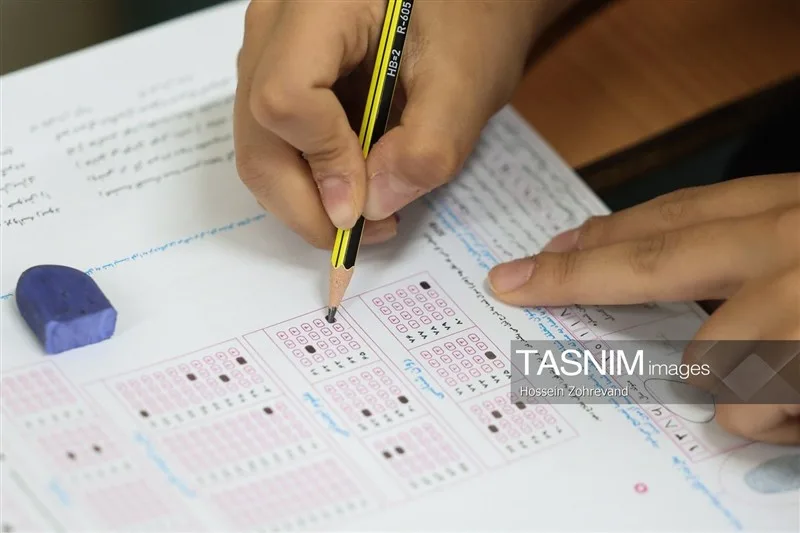
The Director General of Education in Kurdistan Province, Seyyed Foad Hosseini, recently spoke about the challenges faced by students in this province regarding university admission. He emphasized that the local selection policy reduces students' chances of acceptance and called for a review of this policy. Local selection, designed to provide the opportunity to study close to home and reduce accommodation costs, is now seen as a serious barrier to the acceptance chances of students from Kurdistan.
Challenges of Local Selection and Limited Capacities
Hosseini pointed out that local selection and the limited capacity of certain university fields can lead to the non-acceptance of candidates with higher scores in popular fields. He stated, "In last year's evaluations, students from the province had significant rankings in some indicators related to the university entrance exam and final exam grades at the national level; however, this academic performance does not always lead to a proportionate outcome in university admissions."
Read more: Brigadier General Mostafa Izadi: The IRGC missiles chased the enemy 700 kilometers away
He added, "This issue is not merely a general claim, and there are comparative report cards that can be examined to investigate this matter." Hosseini also referred to the necessity of separating undergraduate admissions from graduate studies and stated that the admission conditions at different levels should be evaluated based on the capacities of the fields and the application of admission criteria.
Follow-ups by Provincial Officials
Akbar Mohammadi, the head of the Management and Planning Organization of Kurdistan Province, also stated that local selection and the limited capacity of key fields significantly reduce students' chances of acceptance. He explained, "The limited acceptance capacity in some popular fields and the manner of applying local selection criteria can result in some students from the province, despite having a suitable rank, not being able to enter their desired field and university."
Mohammadi also emphasized the need to continue discussions to find effective solutions and added that this issue has previously been pursued at various levels. He noted that the various aspects of this issue must be carefully examined to determine which factors contribute to reducing students' acceptance chances.
In conclusion, provincial officials emphasized the need for further follow-up and a more detailed examination of the effects of local selection on students' educational opportunities. This issue was raised on the sidelines of the Public Culture Council meeting and was demanded from the Secretary of the National Public Culture Council. In a situation where hope for the educational and career future of students in Kurdistan is at risk, revising educational and admission policies could change the academic fate of these students.
Read more: Maryam Ardebili and the effort for social participation of families with special needs children in 'Plus City' · The anger of French students and its consequences for the future of the country