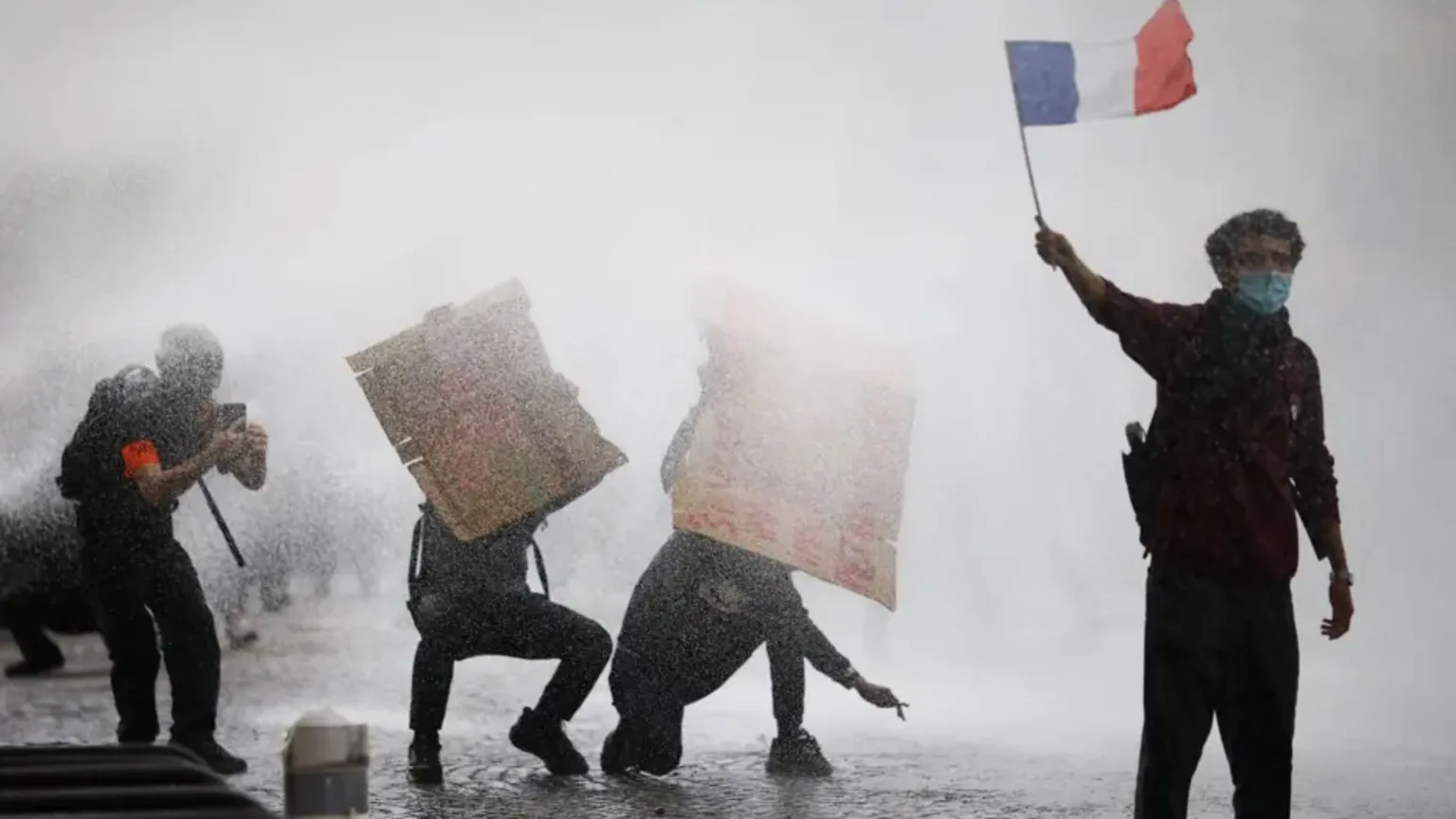
Thousands of students in France have expressed their anger over the state of education and life in the country by blocking high school entrances and staging street protests. These protests, which have lasted for more than three weeks, have become a hot social topic amid rising political tensions ahead of next year's presidential elections.
The Protest Movement and Joining Unions
Labor unions and key figures from the "Yellow Vests" movement, which has been protesting since 2018 due to rising living costs, have now joined these students. French Prime Minister Sébastien Lecornu has warned against the exploitation of young people's anger in the political arena and has predicted the consequences of these protests in the near future.
Read more: Meeting of Hossein Amir-Abdollahian with the Libyan Foreign Minister
Jérôme Rodrigues, one of the influential figures of the Yellow Vests movement, has called on people to participate in the demonstrations by sharing videos on social media, emphasizing that these protests should be the voice of those seeking a dignified life.
Economic and Social Challenges
France is facing numerous economic problems. Social unrest, high government borrowing costs, and a divided parliament have revealed significant challenges for the government. Anne-Laure Delatt, an economist and researcher at the French National Center for Scientific Research, points out that France's situation is not comparable to the Greek debt crisis of 2012, but if the situation worsens, its effects may reach other European economies.
Delatt predicts that tax increases could offset the government's budget deficit, but in a context where people are expressing dissatisfaction, this action may fuel public anger.
The Voice of Protesting Youth
Among the crowd of protesters, 17-year-olds like Maxim, Madeline, and Elodie emphasize educational and social issues. They point to existing discriminations in society and demand real changes in policies. These young people are well aware that they will not be of voting age by the presidential elections, but insist that protests are the only way for the people's voices to be heard.
Gwen, one of the protesting mothers, highlights the importance of her children being aware of civil rights and participating in social changes, acknowledging that education in this area is vital for her child's future.
The student protests in France are reminiscent of major social movements in the country's history. Lola, a 17-year-old girl, proudly recalls her mother's participation in the protests of '68 and believes they will not wait for changes in the elections.
In this situation, will French officials listen to the voices of the protesters and take action to improve social and economic conditions?
Read more: Sudden Storm in Karbala; The Sky Full of Paper and Surprising Hail · New Images of the Damaged Ship in the Strait of Hormuz Reveal Its Fate