Dark tourism in China has become one of the intriguing attractions where individuals can get close to terrifying and painful experiences. In this type of tourism, visitors go to places that simulate natural disasters and catastrophes. From storms and floods to deadly earthquakes, these experiences serve as a reminder of how fragile life can be.
Simulation of Natural Disasters
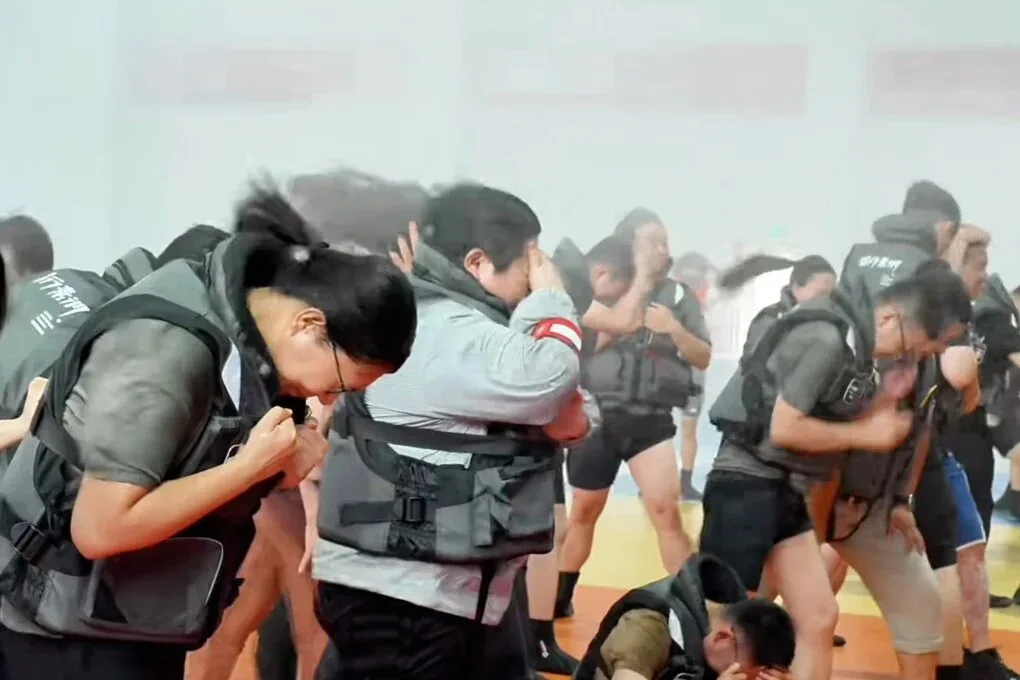
One of the main attractions of dark tourism in China is the centers that simulate natural disasters. These centers allow visitors to experience storms, floods, and earthquakes up close. Utilizing advanced technologies, these centers are designed to convey a sense of realism to visitors. In these places, individuals can find themselves in situations that evoke feelings of fear and tension, which has attracted many tourists.
Read more: Holding a ceremony to commemorate the Persian language and Hafez Shirazi in Vienna
Visiting Ruins and Disaster Sites
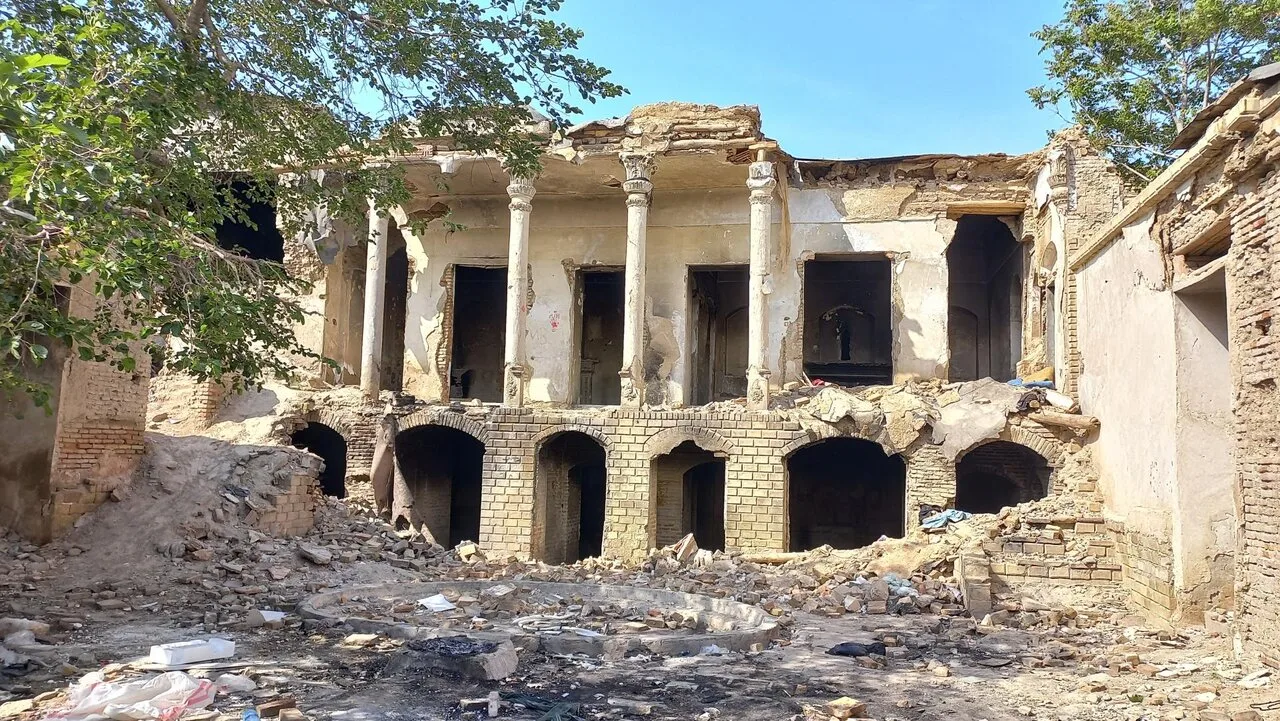
In addition to simulations, visiting the ruins of deadly earthquakes has also become a tourism experience. These ruins serve as a reminder of natural disasters, illustrating how life can change in an instant. Visitors typically go to these sites to learn about the history of these disasters and their impact on people's lives. These trips help individuals become acquainted with the realities of life and the challenges posed by natural disasters, placing them in the role of observers confronting these hardships up close.
This type of tourism not only helps attract tourists but also raises public awareness about natural hazards and the need for preparedness to face them. This phenomenon seems to be particularly popular among young people, as they seek new and thrilling experiences.
However, this type of tourism also faces criticisms and challenges. Some critics believe that turning disasters into tourist attractions may disrespect the victims and survivors. They argue that addressing these issues should be done with sensitivity and respect, and dark tourism may cross ethical boundaries.
Overall, dark tourism in China has become an intriguing phenomenon that, alongside the natural and cultural beauty of the country, also delves into terrifying and painful experiences. This type of tourism not only contributes to job creation and revenue generation but also increases public awareness about natural hazards and the history of disasters. However, there is a need for dialogue and reflection on the ethical dimensions of this type of tourism.
Read more: Mohammad Mahdi Behdarvand: The end of the party is a sign of distancing from cultural traditions · Donald Trump: I do not believe in help from China and Russia to Iran