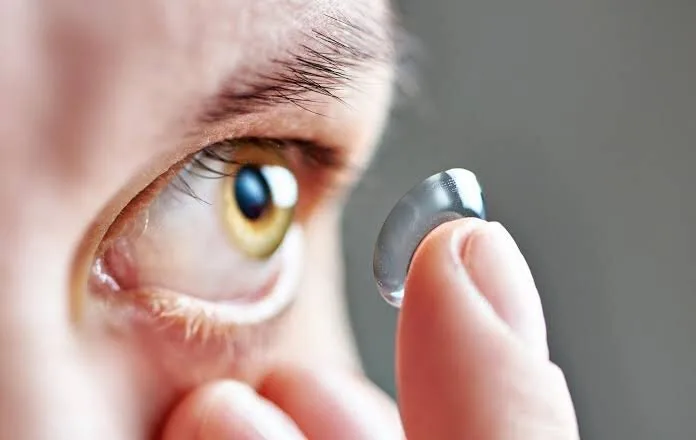
Contact lenses are considered a convenient way for many people to correct their vision, but the small size of these tools should not lead to neglecting their care. Lenses are placed directly on the surface of the eye, and neglecting their hygiene can increase the risk of eye problems.
Importance of Care for Contact Lenses
One common issue with contact lens use is that individuals become accustomed to having them in their eyes over time and may not take the necessary care seriously. For example, some people fall asleep with their lenses in due to fatigue or do not remove them while showering. These behaviors can create conditions conducive to eye irritation or infection.
Read more: Elderly in Iran and the Challenges of Life in Old Age
Experts recommend that individuals should not sleep with lenses unless a doctor has approved overnight use. Additionally, washing and drying hands before touching lenses and adhering to a lens replacement schedule are essential to reduce the risk of eye complications.
Tips to Prevent Eye Infections
Interestingly, tap water is not suitable for washing lenses. Drinking water may not be sterile and can contain microbes that increase the risk of infection. It is advised to remove lenses while showering, swimming, or using a hot tub, and they should not be rinsed with water.
Before putting in or taking out lenses, washing hands with soap and water and drying them is very important. This simple act can prevent contamination and the transfer of microbes to the lenses and then to the eyes. Families can also turn these habits into a daily routine.
Moreover, individuals should avoid "topping off" their lens solution and should use fresh solution each time. Additionally, using inappropriate solutions like saline will not replace the proper lens solution.
Finally, if someone experiences unusual symptoms such as redness of the eye, pain, or blurred vision, they should immediately remove the lenses and consult a doctor. These symptoms can indicate infection or other issues on the surface of the eye.
Read more: Parvaneh Afsharian: Iranians residing in Europe and Canada come to Iran for infertility treatment