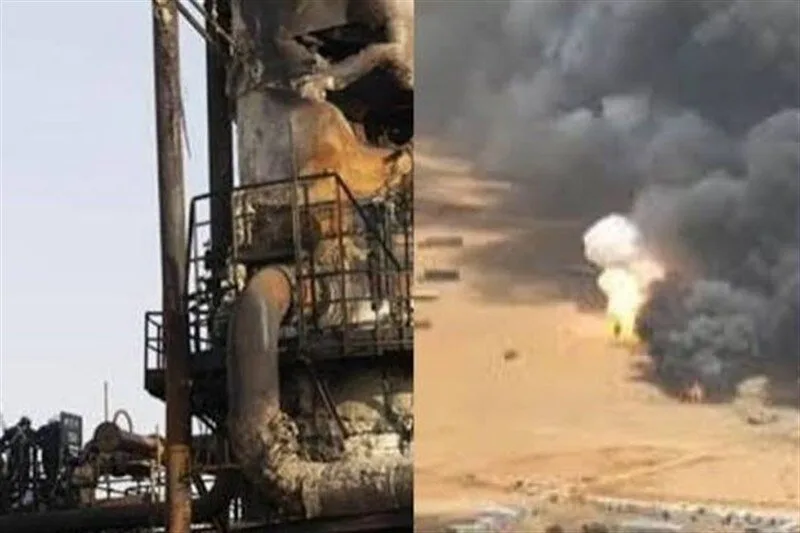
The damage caused by attacks attributed to Yemeni forces on Saudi oil infrastructure, particularly the strategic East-West pipeline, has significantly increased. New satellite images show that this damage is not limited to a specific point, and several pumping stations along the route have also been affected. Signs of burning around the Al-Hanakiyah route and other areas in Medina province have raised further concerns about the continuity of Saudi oil supply.
Reduction in Oil Supply and Its Consequences
Recent fires at Saudi oil infrastructure have led to a severe drop in the country's oil supply. According to reports, Saudi oil supply in August reached 6 million barrels per day, which is 2.3 million barrels less than the previous month and the lowest level in over 30 years. This reduction in supply, especially at a time when the global oil market is facing many challenges, could have serious consequences for the Saudi economy as well as the global oil market.
Read more: The CEO of the Livestock Support Company announced the start of supportive chicken purchases
Impact on Exports and Refineries
The East-West pipeline in Saudi Arabia, which has a nominal capacity of 7 million barrels per day, is considered one of the most important oil transportation routes. This pipeline transports oil over a distance of 1,200 kilometers from eastern Saudi Arabia to the port of Yanbu. Continued stoppages and reductions in supply could simultaneously disrupt oil exports and affect the production chain of Saudi refineries and petrochemicals.
As Saudi Arabia is recognized as the largest oil producer in OPEC, any changes in this country's supply can significantly impact global oil prices. It is expected that this figure (supply) could even be halved this month, which could have even more serious consequences for the global market.
Given these circumstances, Saudi Arabia must quickly take measures to repair and restore its damaged infrastructure. Otherwise, the results of this crisis could directly impact the economy and social conditions of the country and also cast a shadow over global oil markets.
Read more: The removal of preferential currency has led to price increases for all goods · Surge in global oil prices; new economic challenges for the people of Iran