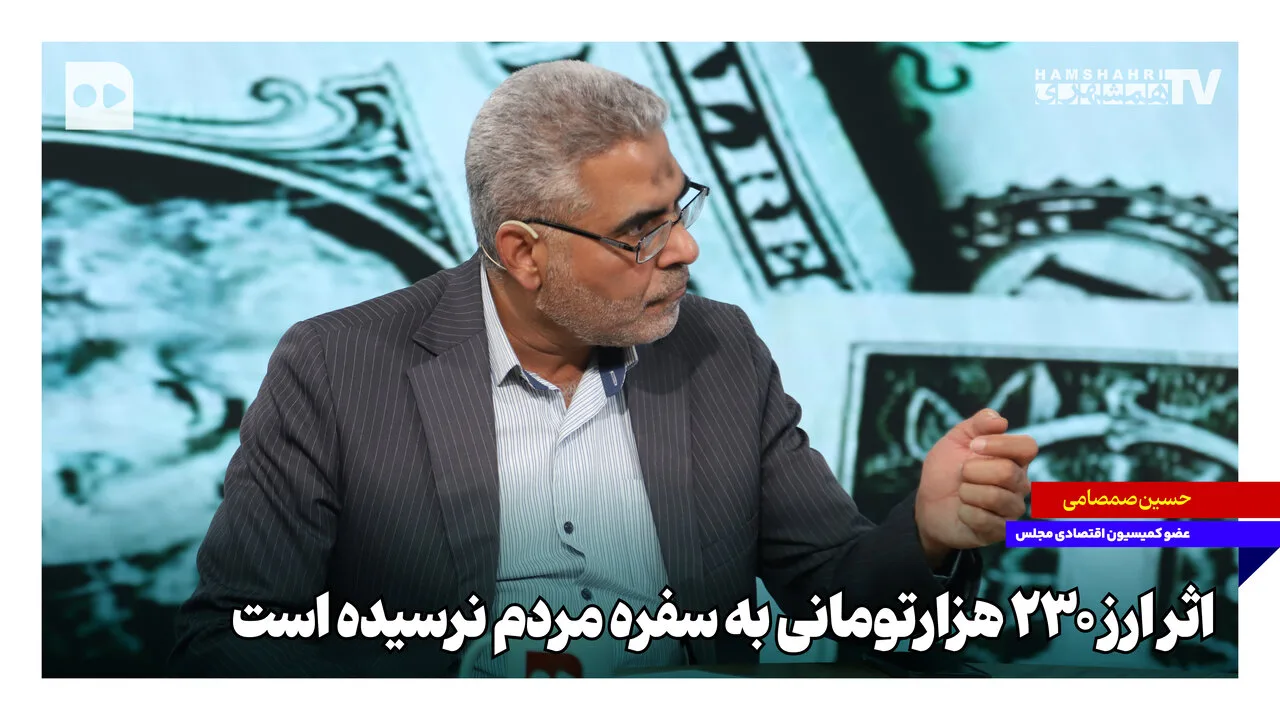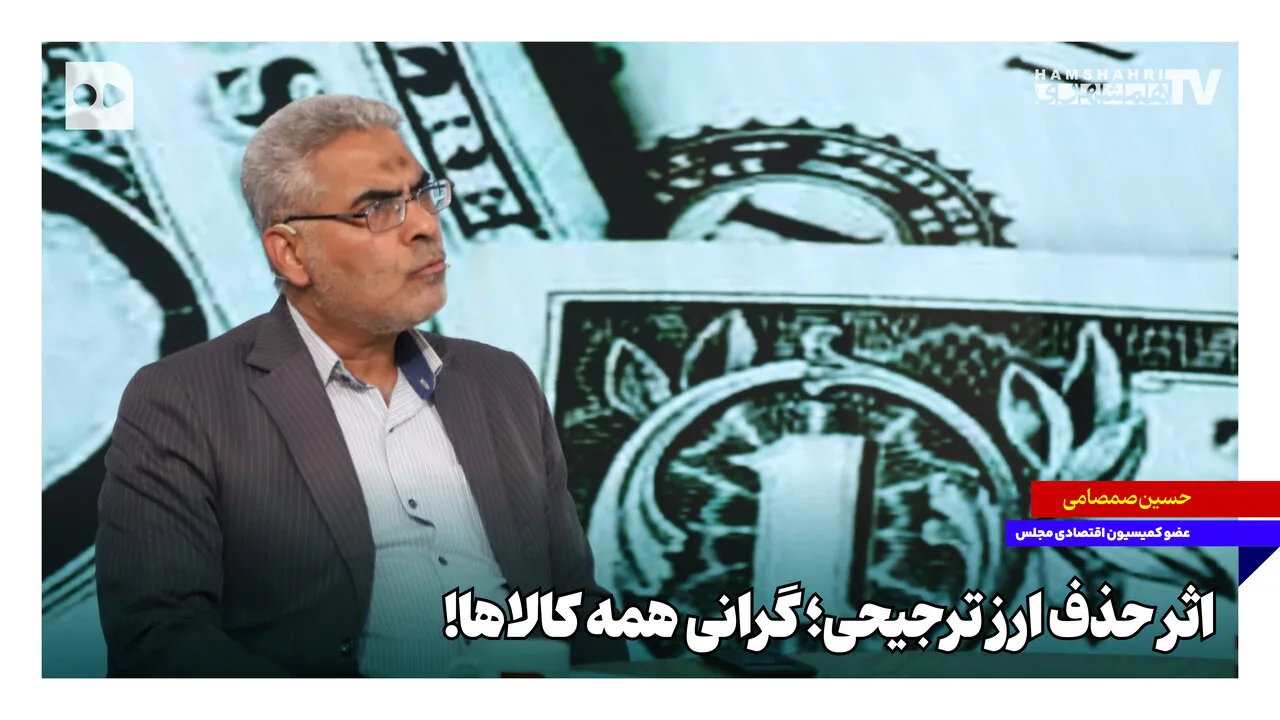
The removal of preferential currency in Iran, which has been proposed as one of the government's economic policies, has directly affected the prices of goods and created a wave of inflation in the market. This action, intended to manage liquidity and control inflation, unfortunately, has instead exacerbated economic problems.
Monetary Base and Rising Inflation
The injection of liquidity for commodity vouchers has increased the country's monetary base, consequently intensifying the inflation rate. Economic experts believe that these policies have not only failed to solve economic problems but have also added to existing issues. With the increase in the monetary base, people's purchasing power has decreased, and this issue is particularly felt in the current situation where prices are continuously rising.
Read more: Opening of 4 new markets: Tehran reaches 312 fruit and vegetable markets
Given this situation, the prices of essential and necessary goods have significantly increased. From food items to household appliances, everything has been affected by these changes, making people's living conditions much more difficult. These economic changes have overshadowed people's daily lives and spread a sense of hopelessness among various segments of society.
Social and Economic Consequences
In addition to economic effects, this situation has also had social consequences. Many households are facing serious challenges in meeting their basic needs, which has fueled social discontent. With rising prices, a large number of people have lost the ability to purchase essential goods, and this problem has particularly negatively impacted the vulnerable segments of society.
Meanwhile, instead of providing appropriate solutions to compensate for these problems, the government seems to lack sufficient care in making its economic decisions. Criticism of these policies is increasing day by day, and society is seeking practical solutions to improve its economic and social situation.
Ultimately, it should be noted that the removal of preferential currency and the related economic policies have not only failed to solve economic problems but have exacerbated them. This situation clearly indicates the urgent need for a reevaluation of the country's economic policies and the provision of more prudent solutions to improve people's living conditions.
Read more: Head of the Center for Leading Knowledge-Based Economy Development: The private sector must partner in the development of creative industries · Reopening of the Shalamcheh trade border by order of the Khuzestan governor