Isfahan, the city of turquoise domes and Persepolis, has faced serious challenges in preserving its historical buildings over the years. The mosques of this city, recognized as religious and cultural symbols, are particularly exposed to various damages. In this context, Naqsh-e Jahan Square and the historical bridges are experiencing similar conditions.
Physical and Spiritual Damages
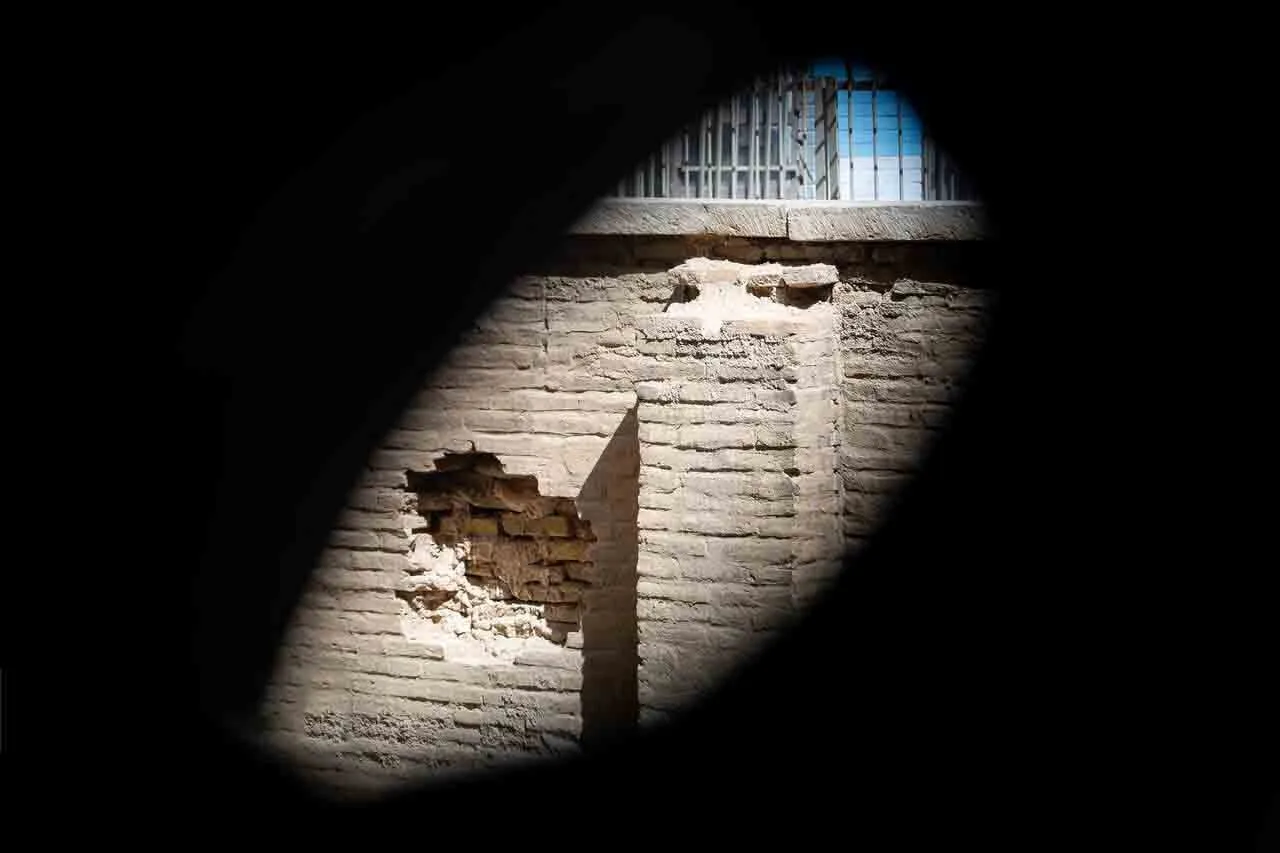
The damages inflicted on the historical mosques of Isfahan have gradually become part of the history of these buildings, and it seems that these damages will eventually become part of the identity of these works. Despite efforts made for the restoration and protection of these buildings, the lack of comprehensive and continuous programs in this area is concerning. For example, Sheikh Lotfallah Mosque, one of the prominent works of this city, is in serious danger due to inadequate maintenance.
Read more: Iranian Cinema Festival; a Remembrance of Unknown Artists and Forgotten Destinies
Economic and Social Consequences
The damage to historical buildings not only affects their physical condition but gradually impacts the local economy as well. Tourism is one of the main sources of income for Isfahan, and a decrease in the appeal of historical mosques can lead to a reduction in the number of visitors and ultimately a decrease in economic revenues. This issue becomes particularly significant in the current economic conditions, where the need to support various economic sectors is felt more acutely.
Moreover, damage to historical buildings can lead to harm to the cultural identity of the community. The historical mosques of Isfahan are symbols of the history and culture of this city, and any damage to them is, in a way, damage to the history and cultural heritage of this land. In this regard, there is a need for awareness-raising and public education regarding the importance of preserving these works.
Proposed Actions for the Protection of Historical Works
To address these challenges, suggestions such as forming local committees to monitor the condition of historical buildings, planning for the restoration and preservation of works, and holding educational workshops to familiarize people with the importance of these mosques seem necessary. Additionally, with the cooperation of governmental and non-governmental organizations, more comprehensive programs can be designed to attract tourists and preserve these historical works.
Ultimately, preserving the historical mosques of Isfahan requires collective effort and cooperation. Although the damages inflicted on these buildings may not be recoverable over time, with timely planning and action, it is possible to prevent the continuation of this trend and create a brighter future for the cultural heritage of this city.
Read more: Hashmat Firdous on Cinema Day; a Look at the Life and Atmosphere of This Actor · The Great Festival of Children's and Adolescents' Films in Isfahan Reaches Its Peak