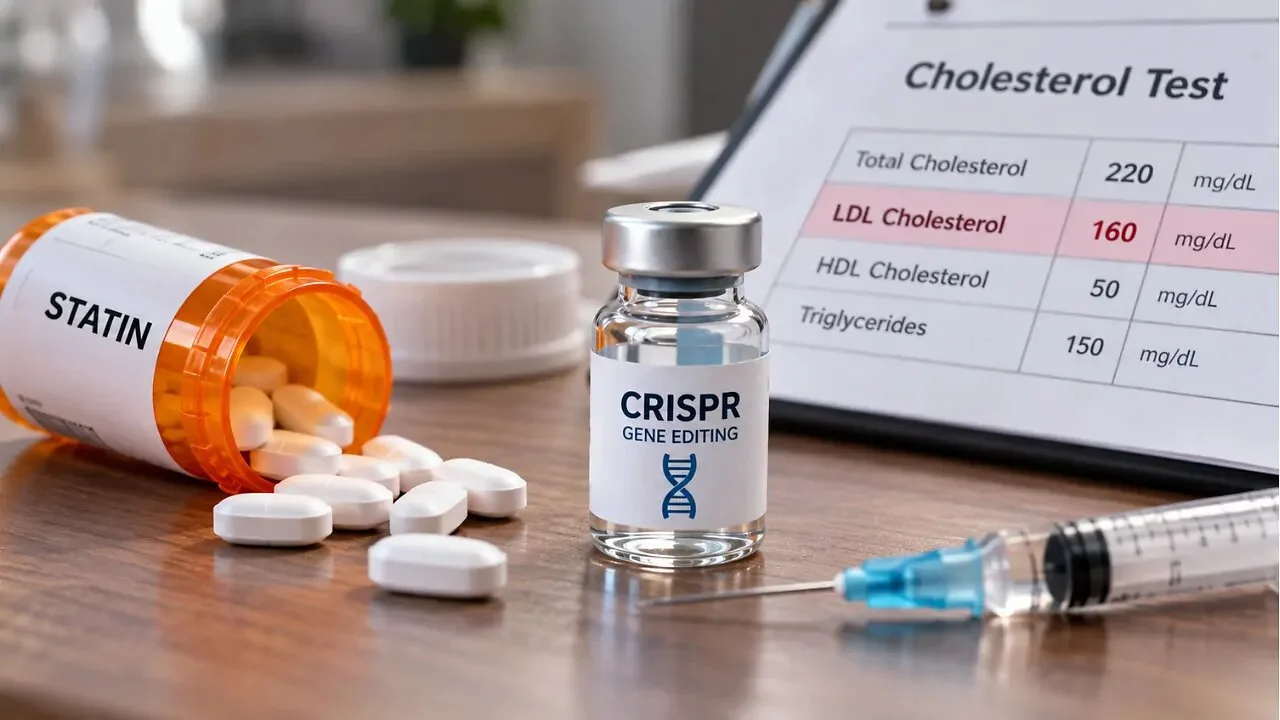
CTX310 is being investigated as an experimental treatment that uses CRISPR-Cas9 technology to alter the DNA of liver cells. This approach could shift traditional treatments for chronic diseases from continuous medication consumption to a genetic intervention with lasting effects.
The Role of ANGPTL3 in Fat Metabolism
In this method, the main target is a gene called ANGPTL3, which produces a protein involved in regulating fat metabolism. Researchers aim to reduce levels of harmful blood fats, including LDL and triglycerides, by inactivating this gene.
In the results published from this study in 2026, individuals who received the highest dose of CTX310 experienced an average reduction of 52.5% in LDL levels after 12 months. Additionally, triglyceride levels decreased by an average of 47.8%. The level of ANGPTL3 protein also remained 78.6% lower than the baseline.
The Wonders of a Genetic Intervention
These results indicate that the effects of a single intervention are still observable a year later, a feature that distinguishes CTX310 from many conventional blood fat reduction treatments. While LDL-lowering medications typically require continuous use, CTX310 aims to create a lasting change in liver cells.
However, this innovative approach does not mean that cholesterol pills will be discarded in the near future. CTX310 is still in the research stages and requires larger and longer studies to assess its safety and efficacy.
Interestingly, CTX310 could help with conditions like lipid disorders that usually require years or even decades of treatment and management. However, the gap between a small phase one trial and turning this treatment into a standard option for millions of patients remains vast.
It needs to be examined whether this sustained reduction in blood fats can be replicated in larger studies and whether it will ultimately lead to a real decrease in heart attacks, strokes, and other cardiovascular complications.
If the answers to these questions are positive, CTX310 could be one of the prominent examples of gene editing entering the treatment of common diseases. This genetic change could target the disease pathway for a long time instead of a medication prescription, creating new hope for millions of patients.
Read more: Orange Soup: A Delicious Taste Rich in Vitamin C for Cold Autumn Days · Opening of the 'House of Life' in the Nezami Ganjavi Park for Veterans