Crude oil exports from the Strait of Hormuz have reached a level close to 16.5 million barrels per day in September 2023, which is equivalent to the pre-war average. This has been achieved as oil producers and the shipping industry find new ways to transport fuel.
Utilizing New Methods for Oil Transportation
Analysts say that oil exports from this region now include the use of pipelines and ship-to-ship transfers. Meanwhile, the United States Navy continues to escort some vessels. However, the flow of refined products, such as diesel, remains under restrictions that have led to price increases.
Read more: Fatemeh Mohammadian: The increase in workers' wages is certain but needs further review
The Impact of War on Oil Exports
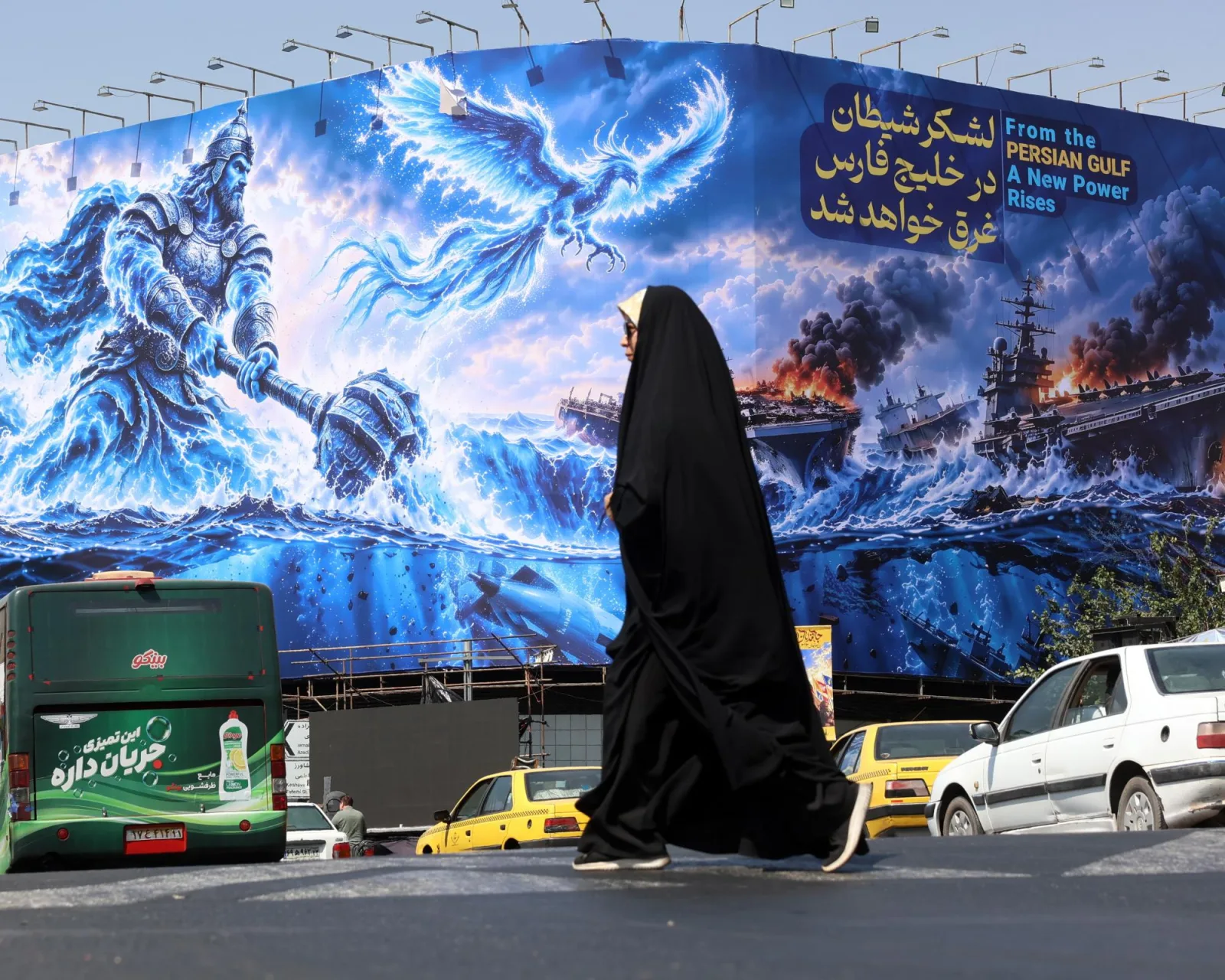
Since the war began on February 28 with U.S. and Israeli attacks on Iran, Tehran has attempted to impose its control over the Strait of Hormuz and has, at times, even declared this strategic waterway closed. However, it seems that Iran's control has diminished in recent weeks, and oil exporters have found solutions to overcome the challenges.
About 40 percent of the region's crude oil is now transported without passing through the Strait of Hormuz, a significant increase from 17 percent before the war. Saudi Arabia has also been able to resume operations on the East-West pipeline that was damaged in drone attacks.
Despite the increase in oil exports from this region, the threat level for vessels around the Strait of Hormuz has not dissipated. Recently, three oil tankers flying the Liberian flag were targeted while passing through the strait. Currently, crude oil prices have also reached high levels, surpassing $100 per barrel again on Thursday.
This situation is particularly challenging for businesses and households that rely on refined products such as diesel. Diesel prices in the UK have reached a historic high of 199.18 pence per liter, and many drivers have reported prices exceeding £2 at some petrol stations.
However, threats remain, and analysts believe that the presence of danger in this region will lead to uncertainty in the oil market and increased operational costs.
Read more: 10 Simple Habits to Save Half of Your Income · Trump rejected Iran's seven-day proposal to reopen the Strait of Hormuz