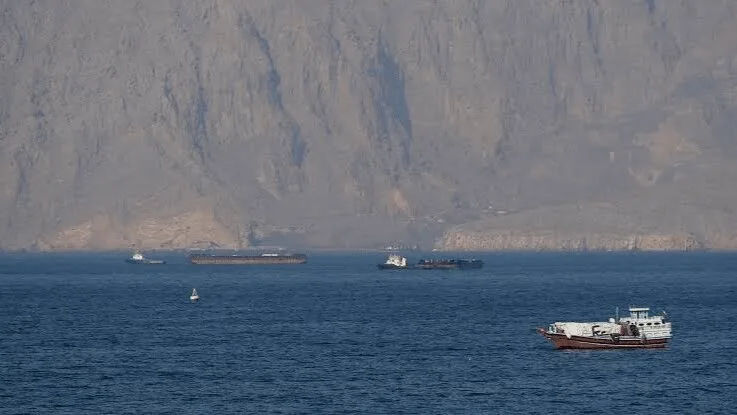
Mohammad Javad Zarif, the Iranian Foreign Minister, elaborated on the country's seven-day plan to reopen the Strait of Hormuz during a press conference in New York. He stated that this plan will only be implemented if the United States accepts it. Zarif explained that the seven-day deadline begins when the U.S. accepts this proposal, and if this agreement is signed tomorrow, its implementation will begin immediately.
Iran's Proposal and U.S. Reaction
However, surprisingly, the Wall Street Journal reported, citing U.S. officials, that Donald Trump, the President of the United States, has rejected Iran's proposal for a seven-day ceasefire and reopening of the Strait of Hormuz. This comes as U.S. officials have informed Iran and intermediaries that they do not intend to lift maritime sanctions.
Read more: Recep Tayyip Erdoğan: The Mecca Agreement is in no way against Iran
This rejection of the proposal by Trump indicates the U.S.'s steadfast position towards Iran, clearly reflecting a reluctance to de-escalate tensions. However, some analysts believe that Trump's positions may change with the continuation of the war and the results of the midterm elections.
Consequences and Future Outlook
According to credible sources, Trump has told his aides that he expects bombing Iran to resume after the midterm elections. These remarks suggest that U.S. policies towards Iran are heavily influenced by domestic and political conditions, and any change in this regard could have profound implications for the region and the world.
Currently, tensions between Iran and the United States continue, and this issue could impact global markets, especially in the energy sector. Iran, as a key player in the oil market, may respond more seriously if further restrictions are imposed.
Ultimately, Iran's seven-day proposal to reopen the Strait of Hormuz and its rejection by Trump clearly indicate a lack of agreement and increasing tensions in the relations between the two countries. The future of these relations depends on the actions of both parties and domestic and international developments.
Read more: Pope in France: The suffering of the Middle East is a wound on human dignity · The foreign ministers of Iran and Oman discussed the security of the Strait of Hormuz