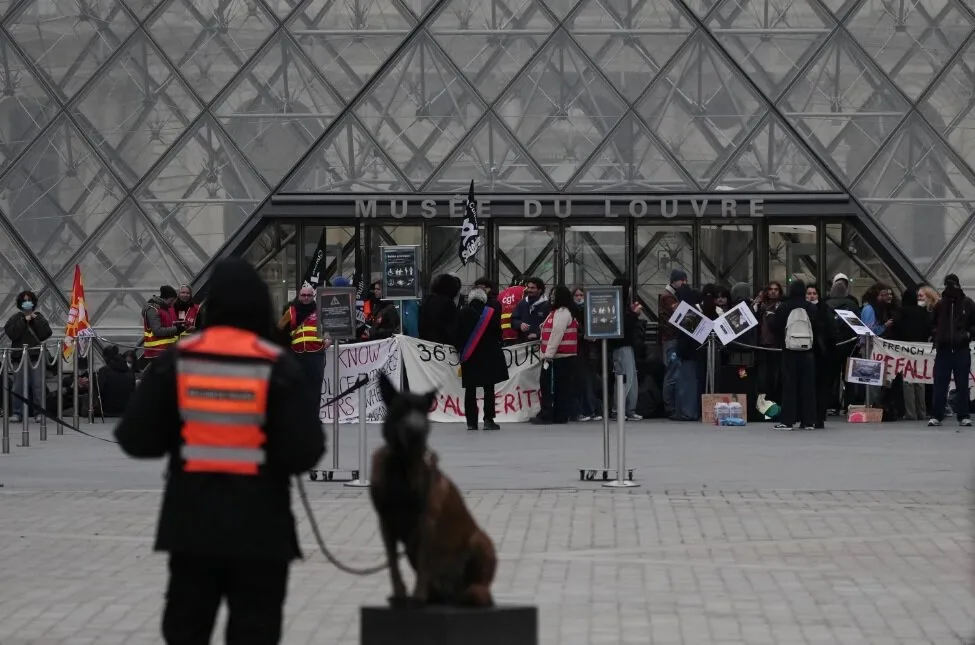
The Louvre Museum and the Orsay Museum, two cultural and historical symbols of Paris, were closed on Saturday due to nationwide protests in France. This decision was made following increased tensions in French society and public dissatisfaction with the country's economic and social situation.
Background of the Protests
Recent protests in France have been sparked by rising living costs and economic inequalities. Many citizens have expressed dissatisfaction with their living conditions and are calling for serious changes in the government's economic policies. This discontent is particularly felt among low-income groups and workers, leading to large gatherings and demonstrations across the country.
Read more: Peyman Ghasemkhani and Family Jokes with His Daughter Pariya Ghasemkhani
Consequences of the Museum Closures
The closure of the Louvre Museum and the Orsay Museum will have significant economic repercussions for the tourism and cultural industry in Paris, in addition to impacting visitors and tourists. These museums, as major tourist destinations in Paris, attract millions of visitors annually. Their closure at this critical time could lead to a decrease in tourism revenue and harm related businesses.
It is worth mentioning that other museums and cultural institutions have also been closed for the same reason, and this decision reflects the seriousness of the current situation in France. Cultural officials in Paris hope that with improvements in security and calm, they will soon be able to reopen the museums and provide services to visitors.
Similar closures have previously been observed in response to social protests in other countries. This indicates that public dissatisfaction can affect not only the economic situation but also the cultural and social aspects of communities.
Read more: Van Gogh and the Reality of the Starry Night Sky in Saint-Rémy-de-Provence · Minister of Science: Azerbaijani Girls Come to Iran