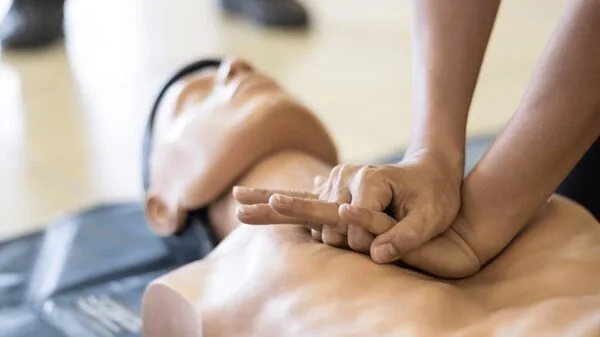
Sadeghiye Metro Station has recently transformed into a unique educational center. This station has provided an opportunity for passengers to learn essential skills for saving lives by completing a two-minute training course through the installation of a smart cardiac resuscitation device. This initiative, designed in collaboration with the Metro Operating Company and the Emergency Organization, promises a positive change in the culture of saving lives in society.
Smart Cardiac Resuscitation Device
The smart cardiac resuscitation device has been designed and produced for the first time in Iran and is entirely locally made. Metro passengers can easily learn the steps of cardiac resuscitation by watching a short educational video. Additionally, after watching the video, a simple practical test is conducted on-site, and upon success, a digital cardiac resuscitation certificate is awarded to them.
Read more: Greek yogurt and strained yogurt; which one is better for weight loss?
This initiative is currently being piloted at Sadeghiye Metro Station. Mostafa Mousa-Pasandi, the cultural and social deputy of the Metro Operating Company, noted the positive reception from passengers regarding this initiative and stated that if this program is successful, the collaboration between the Metro and Emergency Services will lead to the expansion of this training in other busy stations.
Photo Exhibition and Practical Training
In addition to the cardiac resuscitation training device, a photo exhibition showcasing the services of the Emergency Organization has been set up at four metro stations. This exhibition commemorates the 51-year history of emergency services in Iran, from the war era to the grand funeral ceremony of the martyr leader of the revolution. Furthermore, emergency personnel will provide training in cardiac resuscitation and first aid to passengers in the metro cars.
Starting from the beginning of October, a regular training program by the Emergency Services will commence in the metro, with emergency personnel continuously providing necessary training in cardiac resuscitation and first aid once a week. This initiative will not only help raise public awareness but could also save many lives in emergency situations.
Ultimately, this initiative aims to save lives and promote a culture of first aid within the community. It is hoped that with greater passenger engagement and the development of this program, we will witness a reduction in mortality due to cardiac arrest in society.
Read more: Amir Pasha Tabaiyan: Controlling abdominal obesity is the best way to prevent fatty liver · Ghobad Moradi: Attention to lice treatment in lower-income communities is essential