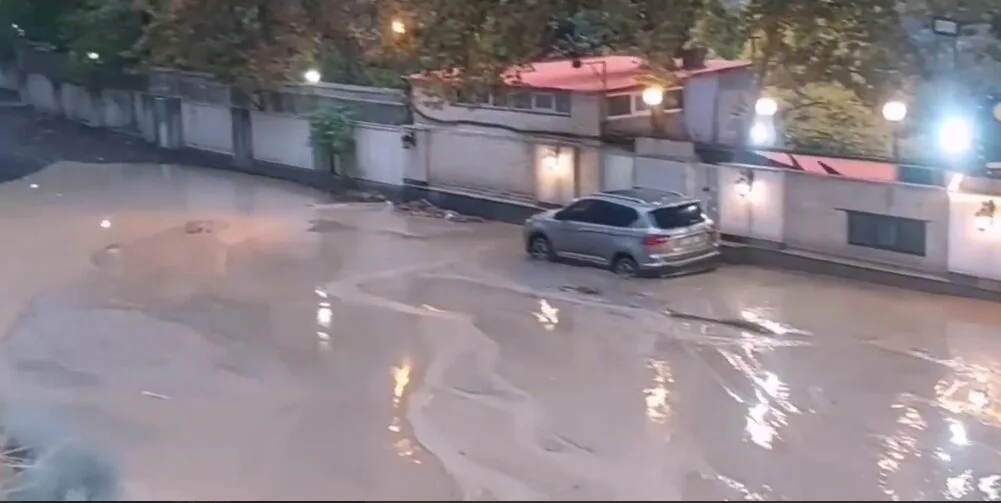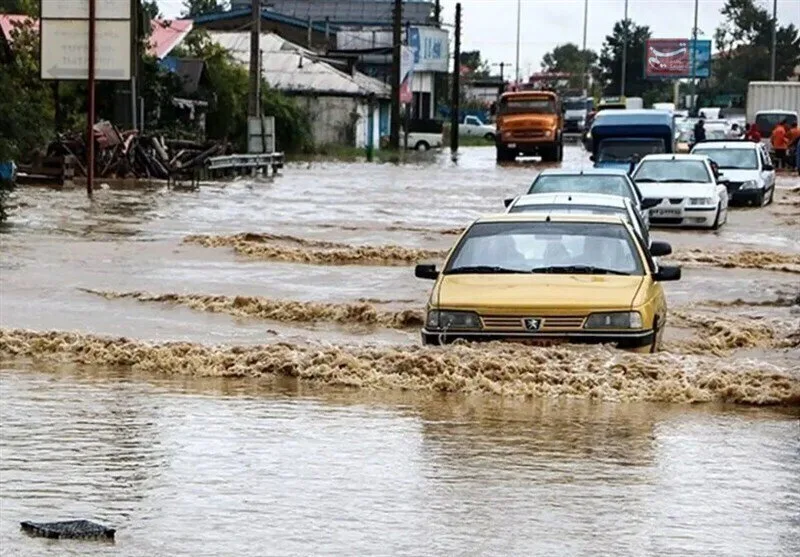
The Car Rescue Guide in Floods reminds drivers that during rainy and stormy days, the physics of vehicle movement changes completely. The braking time increases, and a simple puddle can stall the engine. In these conditions, small mistakes such as maintaining a short distance from the truck ahead or passing through a familiar underpass can have severe consequences.
Checking Weather Conditions and Preventing Hazards
Before getting into the car, it is essential to thoroughly check weather forecasts and official warnings. Drivers must recognize the levels of alerts. If a flood warning is issued, the best action is to cancel or postpone the trip. If travel is necessary, having a full gas tank and a fully charged mobile phone helps drivers to contact rescue services in case of heavy traffic or road closures.
Read more: Rescue of 7 women and children trapped in the flood of Lordegan by Red Crescent rescuers
Safety Tips for Driving in Rainy Conditions
The grooves in tire treads play an essential role in quickly draining water from under the tire and maintaining traction with the asphalt. Checking the tread depth and the condition of windshield wipers before entering the rainy season ensures at least the minimum safety of the vehicle. Additionally, drivers should significantly reduce their speed and avoid sudden lane changes. Passing close to trucks and buses due to heavy water spray severely reduces the driver's visibility.
If the vehicle stalls while passing through a flooded area, restarting is prohibited. Water entering the cylinders can cause serious damage to the engine. If the water level rises, one should exit the cabin and move towards higher ground. Turning on hazard lights during an emergency stop helps in rescuing the driver and preventing chain accidents.
After safely passing through a pothole or flood, the brakes' performance significantly decreases. The driver should gently press the brake pedal several times in a quiet area while maintaining a moderate speed. This action helps improve brake system performance and reduce risks.
A vehicle that has experienced submersion in water should not be started before a specialized inspection. Water entering electrical systems and transmission oil can cause irreparable damage. Finally, documenting the vehicle's condition is crucial for insurance claims.
By following these tips, you can enjoy driving in the rain and experience calm instead of fear.
Read more: Wens took charge of indirect negotiations with Iran · Red alert for Chaharmahal and Bakhtiari and Kohgiluyeh and Boyer-Ahmad due to heavy rainfall