Brigadier General Gholamreza Jalali, head of the National Civil Defense Organization, discussed the organization's actions during recent wars in a detailed interview. He emphasized the need to pay attention to the lessons learned from the Sacred Defense era and shared experiences and fundamental actions against enemy threats.
Preventive Measures Against Media Threats
Brigadier General Jalali referred to one of the most significant anticipated threats from the enemy, recalling an interview with Martyr Commander Khademi, in which the enemy announced its intention to conduct a media-focused operation. He noted that such threats had previously been observed in Iraq in 2003. In this regard, cooperation between the Civil Defense Organization, the Islamic Republic of Iran Broadcasting (IRIB), and the Ministry of Communications was established to maintain the country's media communication in wartime conditions.
Jalali stated: "At the beginning of the 40-day war, the media came under attack, and transmission centers were directly targeted. However, the national media continued its activities through technical innovations and civil defense measures, playing a significant role in organizing and guiding the people."
Stability of the Country's Financial and Banking System
The head of the National Civil Defense Organization also pointed to the importance of the stability of the financial and banking system, saying: "The enemy aimed to disrupt the country's banking activities through cyber attacks on banks. However, thanks to the preparations made in advance, these attacks were ineffective, and banking services continued for the people. The existence of these preparations indicates the importance of the exercises conducted before the war."
Brigadier General Jalali added: "On the first day of the holy month of Ramadan, an exercise related to the stability of the country's monetary system was held, and this preparedness helped the country during the war and prevented essential services from being disrupted."
Attacks on Defensive Infrastructure and the Impact of Civil Defense
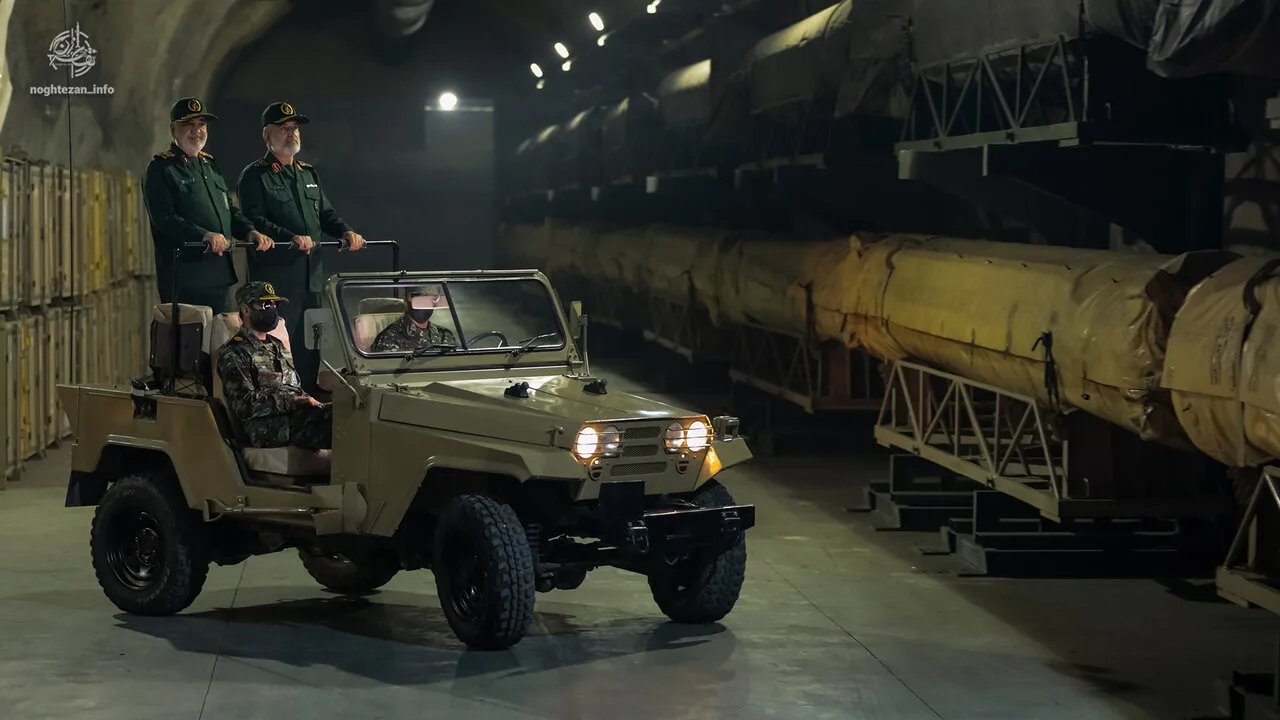
He also referred to enemy attacks on defensive infrastructure, stating: "The enemy made significant efforts to attack the country's missile and defense systems, but civil defense actions, including the construction of missile towns and secure underground infrastructure, ensured that these attacks failed. Thus, the country's missile capability was preserved against threats, and communication and responsiveness in this area continued."
Brigadier General Jalali concluded by emphasizing that passive defense, as an important approach alongside military defense, can play a significant role in maintaining and sustaining the country's defensive capabilities and should receive special attention.
Read more: The second recruitment exam for people with disabilities will be held on November 20 with a quota of 3,200 · The European Commission asked member countries to consume less gas and electricity