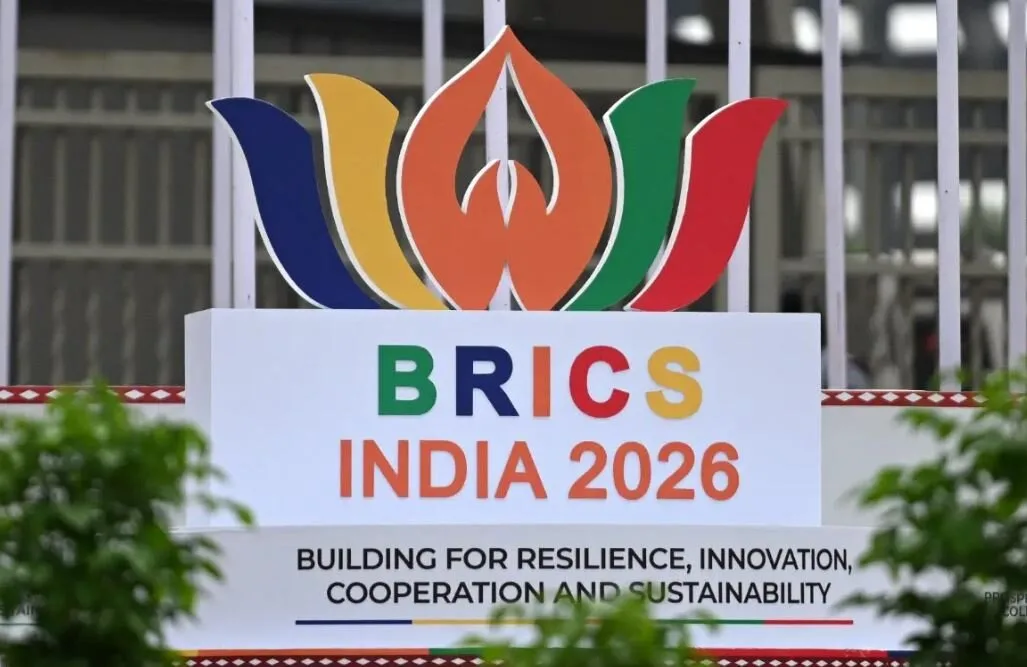
The BRICS summit recently held in New Delhi is recognized as a milestone in the history of this organization. At this summit, the Ministers of Economy and central bank officials of BRICS member countries engaged in discussions and harmonization of monetary and banking laws. These efforts are crucial for increasing productivity and interactions among countries.
Need for Harmonization of Laws
In today's world, where global economies are heavily interdependent, harmonizing domestic laws with international laws and economic organizations is of great importance. The New Delhi summit provided an opportunity for BRICS member countries to collaborate in this area. This harmonization can help member countries operate more successfully in their trade and financial interactions and take better advantage of existing opportunities.
Read more: Tax Organization: The deadline for submitting declarations will not be extended!
Consequences of Economic Integration
The efforts of BRICS member countries to harmonize monetary and banking laws can have positive consequences. This integration can lead to increased joint investments and facilitate trade among member countries. Additionally, by reducing legal barriers and streamlining banking processes, member countries will be able to exchange goods and services more easily and at lower costs. Ultimately, these efforts can lead to sustainable economic growth and increased public welfare in member countries.
The BRICS summit in New Delhi is seen not only as an economic meeting but also as an opportunity to strengthen political and economic relations among member countries. This meeting could allow member countries to achieve closer cooperation in the future and benefit from each other's experiences.
Read more: Increase in diesel prices in California to $9.99 per gallon · The war in Iran brought BRICS closer together but did not eliminate its internal rifts