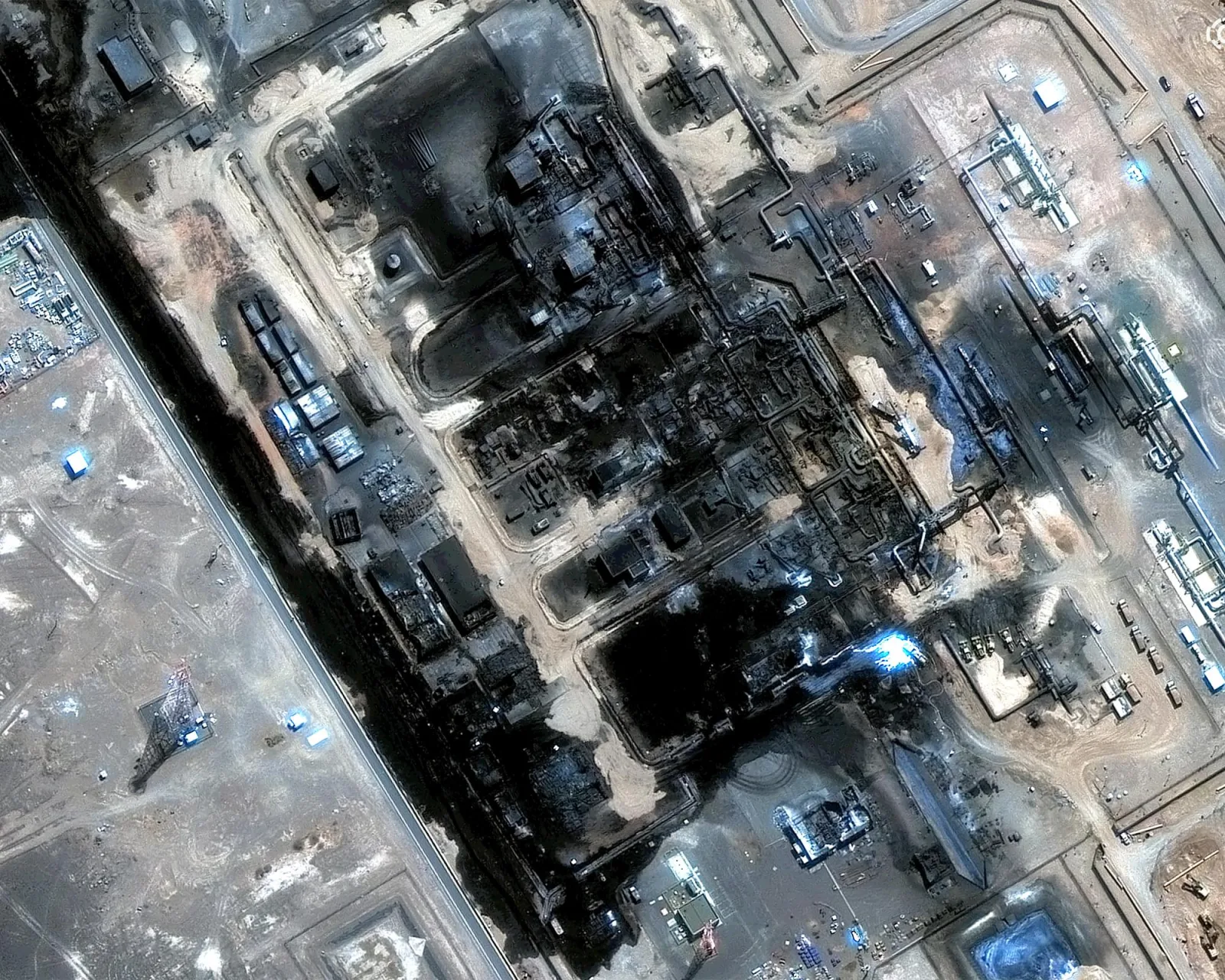
Oil prices surged suddenly following drone attacks on Saudi Arabia's East-West oil pipeline, reaching over $108 per barrel. This price increase is attributed to attacks by Houthi forces from Yemen on Saudi oil facilities and the capture of a strategic island in the Bab el-Mandeb Strait.
Details of the Attacks on Oil Facilities
The recent attacks, seemingly aimed at disrupting Saudi oil exports, have raised significant global concerns. The Houthis, who are backed by Iran, stated that their goal is to weaken Saudi Arabia's ability to produce and export oil. These attacks come after the Houthis managed to seize an island in the Bab el-Mandeb Strait, which is a vital route for global shipping.
Read more: Secret Agreement Between Ankara and Washington: Iran's Gas Will Be Left Out
Consequences of Rising Oil Prices
The increase in oil prices to $108.03 per barrel, which is about a 3.25% rise from the previous day, could have profound impacts on the global economy. Since Brent crude is recognized as the benchmark for oil pricing in global markets, this increase may lead to higher energy costs and consequently raise prices for goods and services in many countries.
Moreover, these developments may also affect financial markets, causing greater volatility in stock and currency prices. Particularly, oil-importing countries may face more economic challenges. At the same time, this situation could likely escalate tensions in the Middle East and impact global energy policies.
While Saudi Arabia is recognized as one of the largest oil producers in the world, the security of its oil facilities has always been a concern. However, these attacks highlight serious challenges regarding energy security in the region and underscore the need for diplomatic and security solutions more than ever.
Read more: Tax Organization: Deadline for Submitting Declarations Will Not Be Extended! · Saudi Arabia's Hopes for a New Middle East Lost in the Thick Fog of Ansarullah!