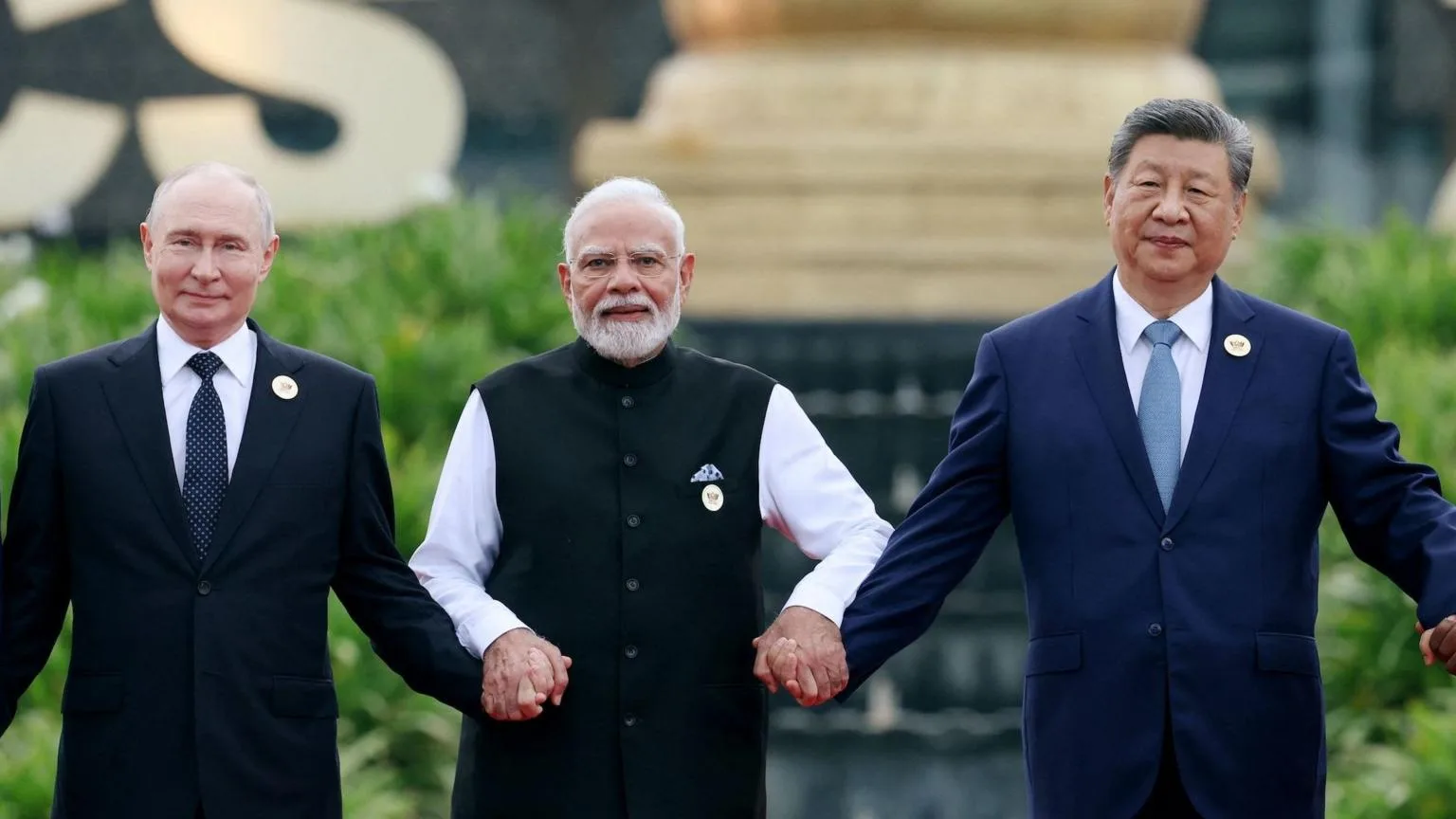
The war in Iran, as a determining factor in global developments, has brought BRICS (BRICS) members closer together. At the same time, this war has also intensified the internal divisions of this group consisting of major countries such as China, India, Brazil, Russia, and South Africa. All BRICS members emphasize the necessity of forming a new global order, but they do not agree on how and in what form this new order should take shape.
Consensus on the Need for Change
According to the shared views of BRICS members, the Iran war, particularly by impacting global energy markets and regional security, has clearly demonstrated the necessity for change in the architecture of the global order. These countries understand that to improve their status in the global system, they need to have more synergy and gravitate towards each other. In this context, hopes for economic and political cooperation among these countries have increased.
Read more: Poland's Foreign Minister: Rapid Defeat of Russia in Case of Attack!
Internal Challenges and Disagreements
However, the political and economic rifts within BRICS cannot be overlooked. China and India, as two major powers in Asia, have differing views on many issues, especially in security and economic matters. Some countries like Brazil and South Africa prefer to move towards softer diplomacy and international cooperation, while others, particularly Russia, emphasize more aggressive positions. These disagreements, while bringing BRICS members closer together, could become a serious obstacle to the formation of a new order.
On the other hand, the Iran war has increased the level of cooperation among BRICS members. This war has significantly impacted global markets and forced BRICS members to assist each other and support their common interests. Some analysts believe that this solidarity could lead to the formation of a new global power, but at the same time, it could also lead to increased tensions.
Conclusion
Ultimately, BRICS, as a group of major countries, is at a crossroads. The war in Iran, as a catalyst, has pushed these countries towards greater cooperation, but deep disagreements and internal challenges remain. This indicates that to form a new and sustainable order, BRICS members must work on their strengths and weaknesses and reach effective agreements.
Read more: Iran and Arab Countries' Regional Meeting in Oman Postponed · Controversial Meeting Between Pezeshkian and the Emirati Crown Prince on the Sidelines of BRICS