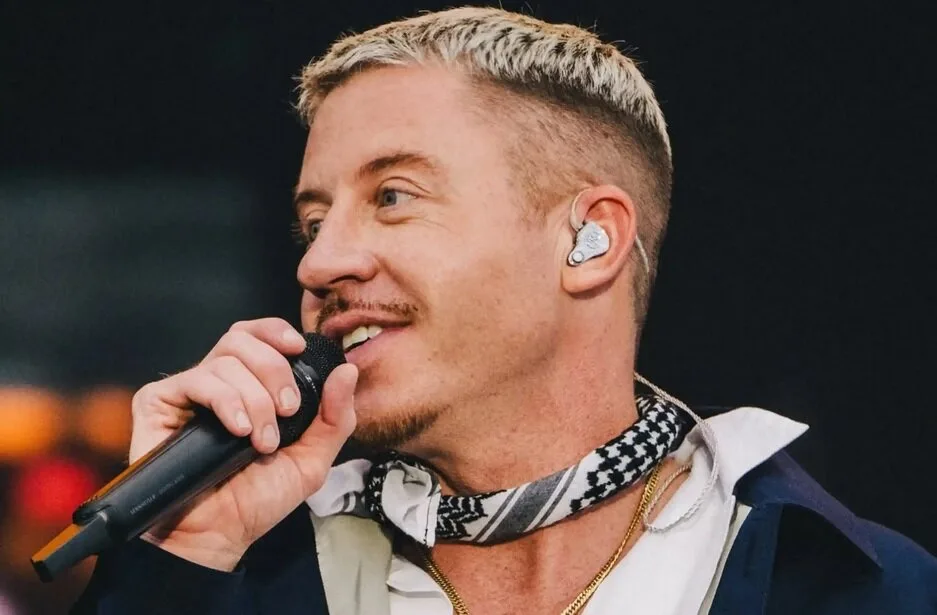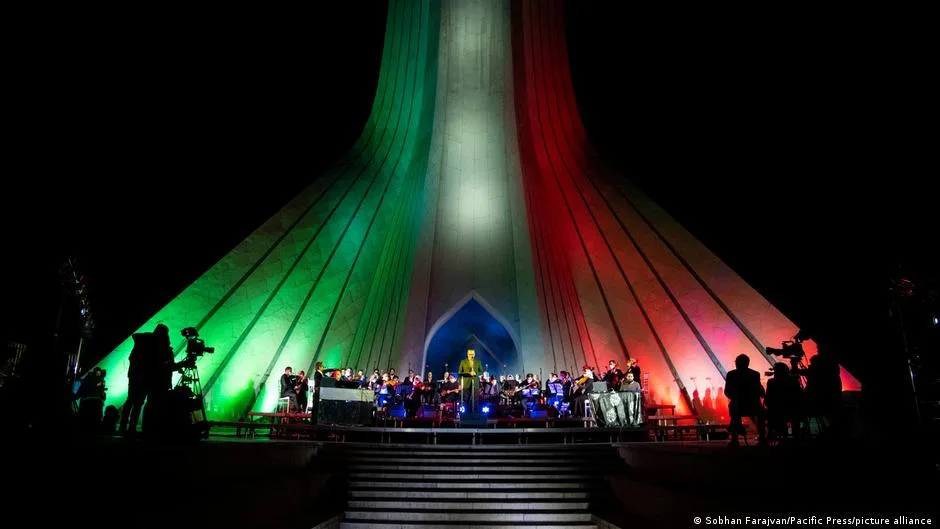
Bijan Mortazavi, an Iranian musician, has returned to his homeland after 47 years of living abroad. Mortazavi, who is considered one of the most well-known violinists and composers in Iran, performed with his famous white violin at the closing ceremony of the World Cup in July 2026.
In videos recently shared by him and his wife on social media, the couple is seen walking in the streets of Tehran. Passersby greet the musician warmly and welcome him.
Mohsen Namjoo's Return and Past Challenges
Mohsen Namjoo, an Iranian singer, has also returned to Iran after about 20 years of living in exile. This singer, known internationally for his experimental music, blends traditional Iranian singing with elements of blues, rock, and jazz. In 2009, Namjoo was sentenced to five years in prison in absentia by a court in Tehran.
In a video, he stated that his reason for returning to Iran was his desire to spend more time with his family and friends. Abbas Salehi, the Minister of Culture and Islamic Guidance, also announced on Thursday, September 5, that his ministry has prepared lists of over 100 prominent Iranians living abroad, with the aim of removing barriers to their travel or return to Iran.
Cultural and Musical Developments in Iran
Sina Yousefi, a human rights lawyer, refers to international law and the right to enter one's country, stating that no one can be arbitrarily denied entry into their own country. Sepideh Raeis-Sadat, a singer and music researcher, mentions that the idea of attracting prominent figures for collaboration or bringing them back to the country is not a new concept.
Raeis-Sadat refers to the historical developments in music in Iran and the impact of the 1979 revolution, stating that music has been one of the red lines. However, after the Iran-Iraq war, music returned in the form of revolutionary anthems, and the voices of women were not completely erased from the public sphere.
Raeis-Sadat says, "Music became a weapon. The mourners could connect with it themselves, and at the same time, music stood in contrast to what the political system represents." Given the recent developments, especially among the youth, the return of artists to Iran is considered an important political and cultural act.
Read more: Pejman Jamshidi Addresses Healing People in the Film Antique · Mohsen Namjoo Talks About Missing His Audience in Iran