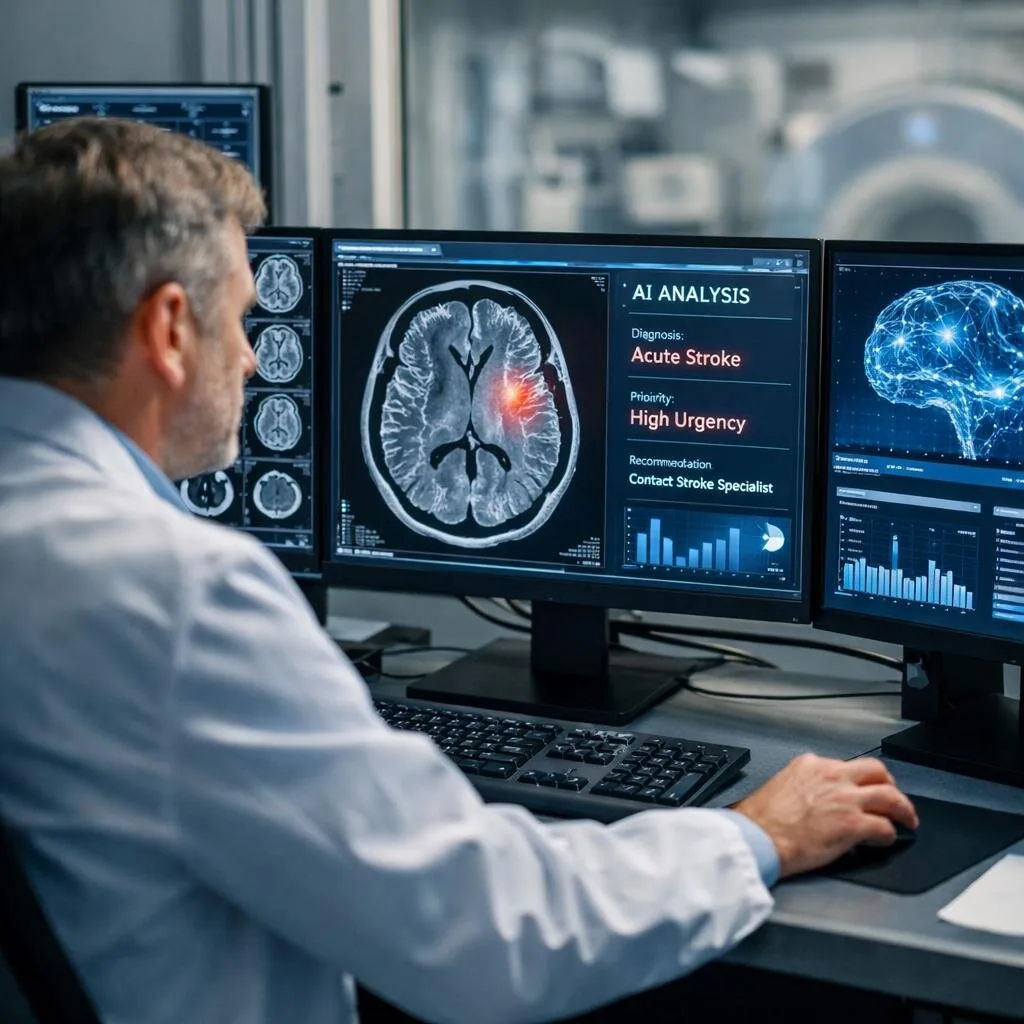
Artificial Intelligence (AI) is increasingly becoming a key assistant for doctors in the medical world. This technology is capable of assisting doctors in diagnosing diseases, especially cancer, and allows them to analyze medical images with greater accuracy.
AI in the Service of Medicine
Today, artificial intelligence is not limited to writing and image design; it has entered doctors' offices and plays a significant role in disease diagnosis and treatment decision-making. This technology can help doctors identify hidden signs of disease by analyzing radiology images and reviewing patient information. In fact, AI algorithms can compare medical images with vast amounts of data and report suspicious symptoms to doctors.
Read more: Shili; a Fruit to Combat Diabetes and Heart Diseases
Technology Development in Cancer Diagnosis
In the field of cancer, the use of artificial intelligence has particularly expanded in imaging and radiation therapy. According to a survey in 2026, out of 1,008 medical devices equipped with AI approved by the U.S. Food and Drug Administration, 149 are specifically used in the field of cancer. The most applications have been observed in radiology and radiation therapy.
However, the future image of medicine does not mean the elimination of doctors. In fact, a model of human-machine collaboration is taking shape. AI analyzes data while doctors interpret the results considering the symptoms and patient history. This collaboration can lead to increased diagnostic accuracy and improved treatment quality.
An international study in 2026 showed that 80.2% of participating doctors believe that AI can enhance clinical performance. However, only 27.8% of them reported having used this technology in practice. This indicates the challenges facing the adoption of AI in medicine and the need for further training for doctors in this area.
Nonetheless, AI is dependent on the data it is trained on. If this data is incomplete or unbalanced, the system's outcome may also be affected. One serious concern in this regard is the legal responsibility in case of misdiagnosis by AI systems. The World Health Organization has also emphasized the necessity of safety, privacy protection, bias mitigation, and clarity of responsibilities.
One of the most intriguing future applications of AI is that, in addition to the doctor's opinion, patients can also use intelligent systems to re-examine their medical information. However, it should be noted that the second opinion of AI should not be considered a definitive diagnosis. Even in the field of cancer, high-level clinical evidence for assessing the performance of doctors alongside AI is still not widely available.
The future of medicine is likely to resemble more of a collaboration between humans and machines rather than a battle between them. Machines can rapidly analyze millions of data points, but doctors connect with patients, assess symptoms alongside their history, and consider the patient's living conditions and preferences to make more appropriate treatment decisions.
Ultimately, the World Health Organization has emphasized that the use of AI in health can only be effective when patients remain at the center of decision-making and their voices are heard in this process.
Read more: Amir Pasha Tabaiyan: 35% of the population has fatty liver · Qobad Moradi: Attention to lice treatment in lower-income communities is essential