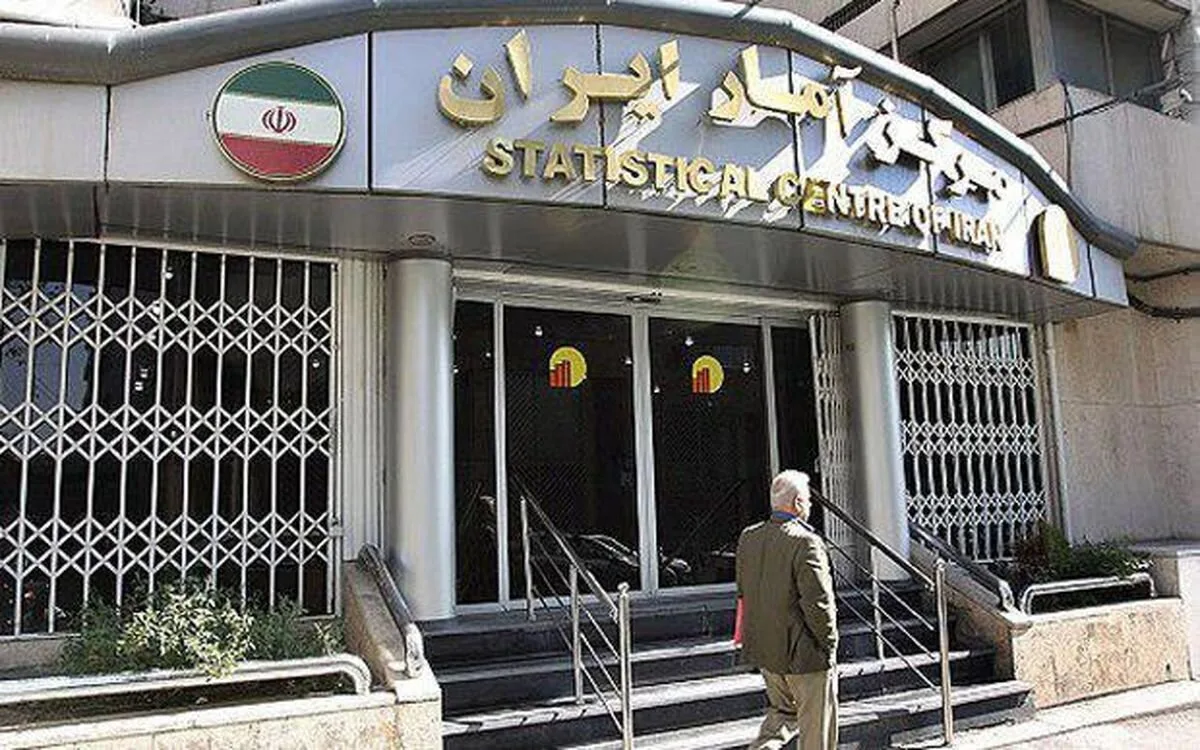
Ali Rahimi, the Director General of the Public Relations and International Cooperation Office of the Statistical Center of Iran, announced that the overall consumer price index for households in the country reached 729.8 in September 2026. In this month, the point-to-point inflation for households in the country increased to 89.8%. This statistic reflects the rapid trend of increasing living costs among households, especially in Tehran.
Increase in inflation rate and its impact on household life
Rahimi added that the inflation rate has faced an increase of 0.8 percentage points compared to the previous month, indicating a slowdown in the price increase trend. Additionally, the monthly inflation in September was 4.2%, and the annual inflation reached 73.6%, showing an increase of 3.7 percentage points compared to the previous month. This increase in the inflation rate places a heavier financial burden on households and raises concerns about people's purchasing power.
Read more: Saudi Arabia resumed oil loading from the port of Yanbu
Fluctuations in commodity groups
Rahimi also detailed the inflation rates by commodity groups, stating that the monthly inflation for the "food, beverages, and tobacco" group reached 2.3%, while for the "non-food goods and services" group it reached 5.7%. Among the main groups, the highest point-to-point inflation was related to "tobacco" at 162.7%, and "furniture and household appliances and their regular maintenance" at 124.6%. Meanwhile, the lowest point-to-point inflation was related to "housing, water, electricity, gas, and other fuels" at 37.9% and "education" at 49.7%.
Digital economy and its share in GDP
According to Rahimi, the Statistical Center of Iran has assessed the share of the digital economy in GDP as part of the seventh development plan. According to the results of this study, the share of the digital economy increased to 7.1% in 2024, showing a growth of 1.7 percentage points compared to the previous year. This growth indicates an increase in the use of modern technologies and digital platforms in the country.
Concentration of the digital economy in Tehran
Rahimi also pointed out that Tehran, with a value-added production of 1,063 trillion rials, holds 59.3% of the total digital economy of the country. This concentration is due to the presence of data centers, operators, and software companies in the capital. This situation improves access to digital services and facilitates the economic development of other provinces.
In conclusion, Rahimi emphasized that the results of the household expenditure and income survey, as one of the most important and long-standing statistical surveys, will significantly aid in the country's policymaking and planning. The average total net annual expenditure of an urban household in 2025 reached 3,919,427 thousand rials, which is a 45.4% increase compared to the previous year.
Read more: 50% reduction in trade profit for 18,000 items in Shahrvand stores · Safety measures for 615 dangerous buildings in Tehran