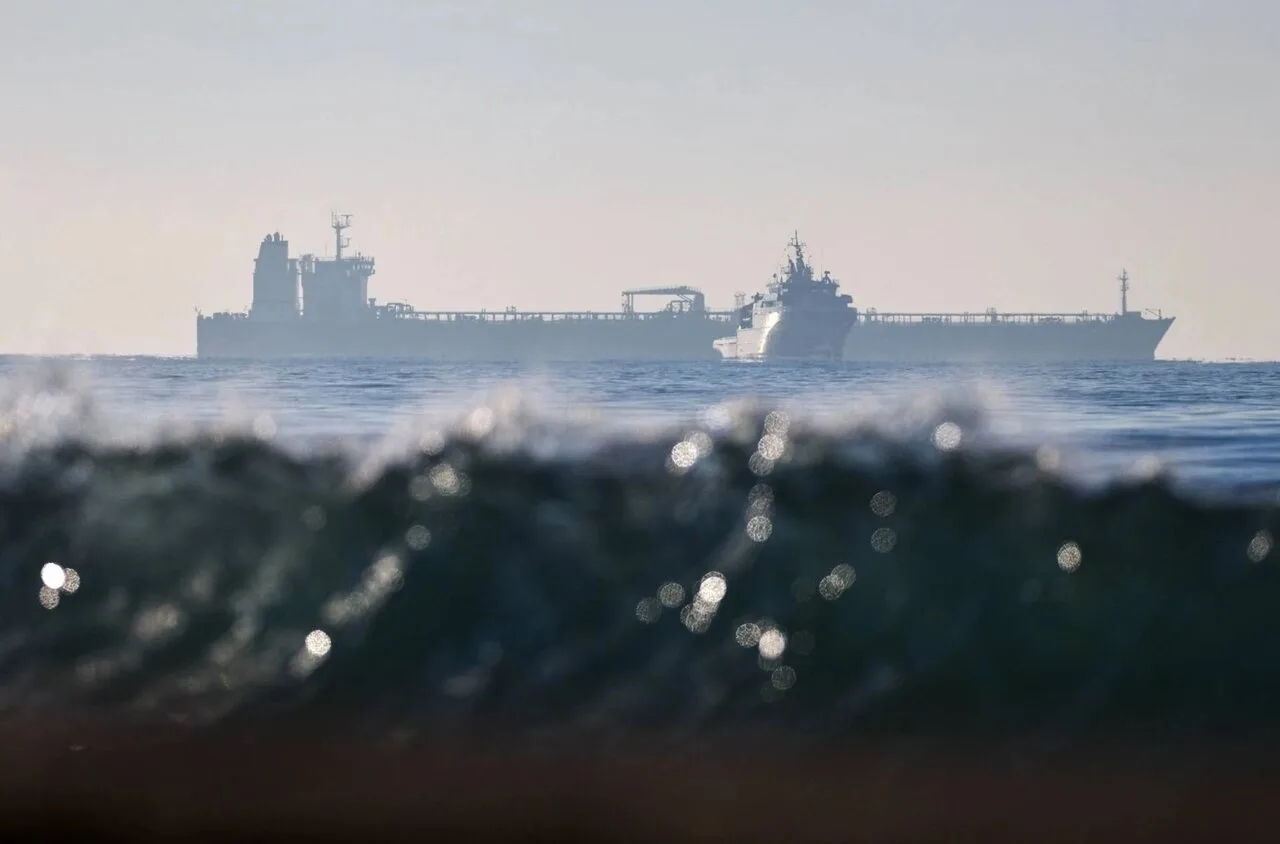
Companies such as "Trafigura", "Vitol", "Mercuria", and the "Abu Dhabi National Oil Company" are trying to obtain permits to buy or lease tankers listed on the blacklist from American officials. These negotiations involve about 50 ships that are under U.S. sanctions.
Shipping Challenges and Rising Costs
Disruptions caused by military aggression from the U.S. and the Israeli regime against Iran have posed serious challenges to shipping. This situation has forced tankers to take longer routes, significantly increasing insurance costs. For example, the cost of leasing a supertanker for the Gulf Coast route in the U.S. to China has reached about $80 million in October, nearly 10 times the average rates before this military aggression.
Read more: The Burden of Bad Debt on Stores and People
This increase in costs has significant consequences. "Valero" has estimated that the cost of transporting U.S. crude oil to Asia has risen to $30 to $35 per barrel, while this figure was only $5 a year ago. The result of this increase is a 50% decrease in Asian orders for U.S. crude oil in October, which could bring the volume of shipments to its lowest level in seven years.
Efforts to Bring Sanctioned Ships Back into Operation
Bringing sanctioned ships back into operation could alleviate some of this pressure. Chris Wright, the U.S. Secretary of Energy, announced last month that Washington is exploring mechanisms that would allow investors to purchase and refurbish tankers on the blacklist for use in transporting permitted oil shipments.
According to data from the Treasury Department, as of November 4, U.S. sanctions include 1,568 ships, including 462 tankers carrying crude oil. However, the effectiveness of this action largely depends on which ships receive operational permits. Restoring tankers that were previously inactive will increase the actual shipping capacity, but merely legalizing the status of ships that are currently transporting sanctioned oil will have a lesser impact on alleviating the existing shortage.
Many of the blacklisted tankers are older ships that require repairs, inspections, and insurance before entering conventional commercial service. Additionally, U.S. permits do not automatically lift restrictions imposed by the European Union or the UK.
Read more: Increase of 30,000 Toman in Fuel Prices for Iranian Trucks at the Bazargan Border · Elon Musk and Financial Setback in the U.S. Midterm Elections