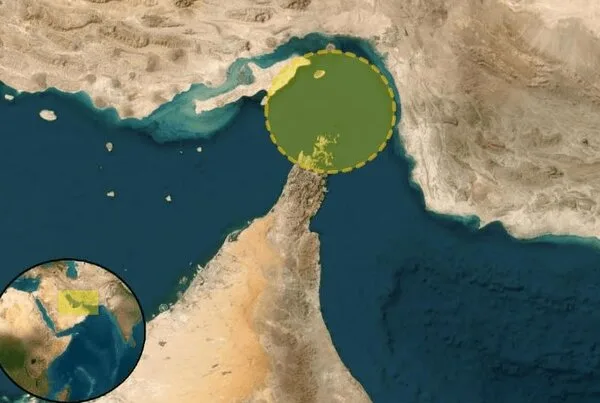
Alireza Bozorgmehri, a senior IT expert, examined the dependencies of information technology on the Strait of Hormuz in a specialized meeting and emphasized that a crisis in this region could have serious consequences for internet access and communication infrastructure.
Consequences of the Crisis in the Strait of Hormuz
Bozorgmehri stated that the Strait of Hormuz, as one of the most important maritime transit points in the world, is significant not only for energy supply but also for data transmission. This expert noted that any crisis in this region could disrupt the repair of submarine cables, thereby jeopardizing internet access. The decline in internet quality and speed could have widespread effects on all aspects of daily life, including businesses, online education, and personal communications.
Read more: An asteroid impact on the moon gave a new face to the McGathin crater
Economic and Technological Impacts
Alireza Bozorgmehri also pointed to the rising energy costs resulting from political and military crises in the Strait of Hormuz. This increase in costs could affect cloud services and banking, data centers, and the development of artificial intelligence in the Gulf countries. He particularly emphasized that Gulf countries are heavily reliant on technology and digital infrastructure, and any disruption in this area could slow their development processes.
Bozorgmehri, highlighting the importance of the internet in the modern world, noted that government and private institutions must take measures to manage crises and reduce vulnerabilities of their information technology infrastructure against critical situations. He also stressed the necessity of international cooperation to ensure security and stability in this region.
Read more: Rasoul Rezvani, Iranian entrepreneur and creator of 'Country 196', in global spotlight · The Foreign Minister announced Iran's reasonable conditions for reopening the Strait of Hormuz