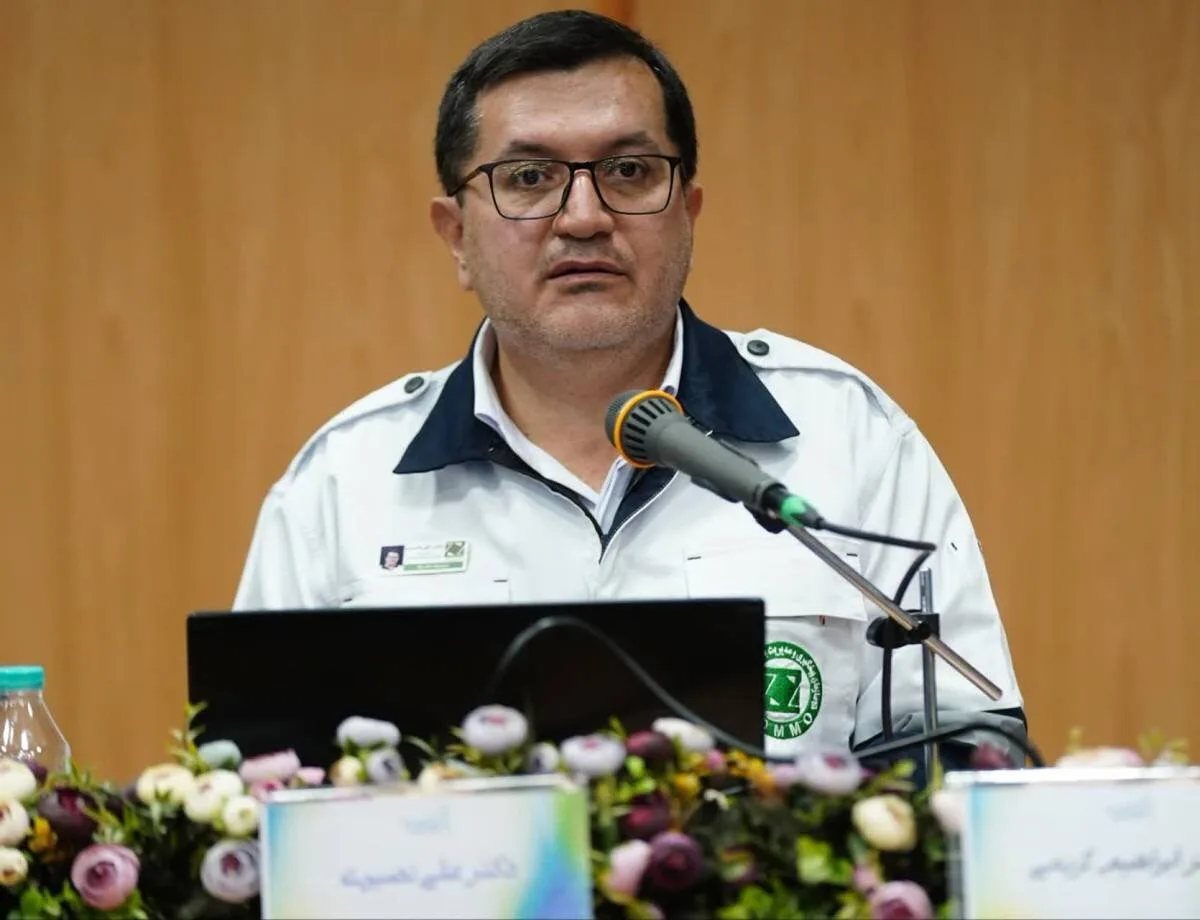
Ali Nasiri, at the specialized meeting "Requirements of Passive Defense in Urban Crisis Management Planning" held at Vali-e Asr University (AJ) of Rafsanjan, stated the importance of crisis management and passive defense, emphasizing that these issues should not only be addressed at the time of disasters. He mentioned that a significant portion of the work should be done before the occurrence of an incident and during the planning, site selection, design, construction, training, and preparedness stages.
Necessity of Identifying Vulnerabilities
Nasiri, referring to various experiences of urban and natural disasters, said: "Many hazards turn into major crises when existing vulnerabilities have not been identified and addressed beforehand." He added that instead of waiting for disasters to occur, we should focus on identifying risks and planning to mitigate them.
He also referred to the new literature on risk management and international approaches in this field, stating: "Earthquakes, floods, storms, and other natural hazards do not inherently mean the occurrence of a disaster; what turns a hazard into a crisis is the level of vulnerability of the community, infrastructure, and how we respond to it."
Risk Management and Urban Capacities
The head of the Tehran Disaster Prevention and Management Organization emphasized the importance of planning in urban management, saying: "We must ask from the very beginning where a project is being built, what hazards exist around it, and how vulnerable it is at the time of an incident." According to Nasiri, if we construct in high-risk areas or do not adhere to technical and safety requirements, we increase the extent of damage from an incident ourselves.
Nasiri considered the protection of vital functions as one of the most important issues in urban management planning and emphasized that if key centers such as information technology or urban buildings are taken offline, their disruption may affect a significant part of the city's functionality.
He also stressed the importance of training personnel stationed at entrances and sensitive centers, stating: "Security and guarding forces must be trained according to their mission and know what actions to take in emergency situations."
In conclusion, Nasiri outlined some principles of passive defense, referring to proper site selection, distancing from hazard centers, creating alternative capacities, and strengthening resilience, adding: "We should not concentrate all vital capacities of a city in one location; if that location is damaged, a large part of services may simultaneously fail."
Read more: Mohammad Reza Sabaghian: Representatives must shout the rights of the people without fear · Supply Chain: A way to resilience in changing conditions