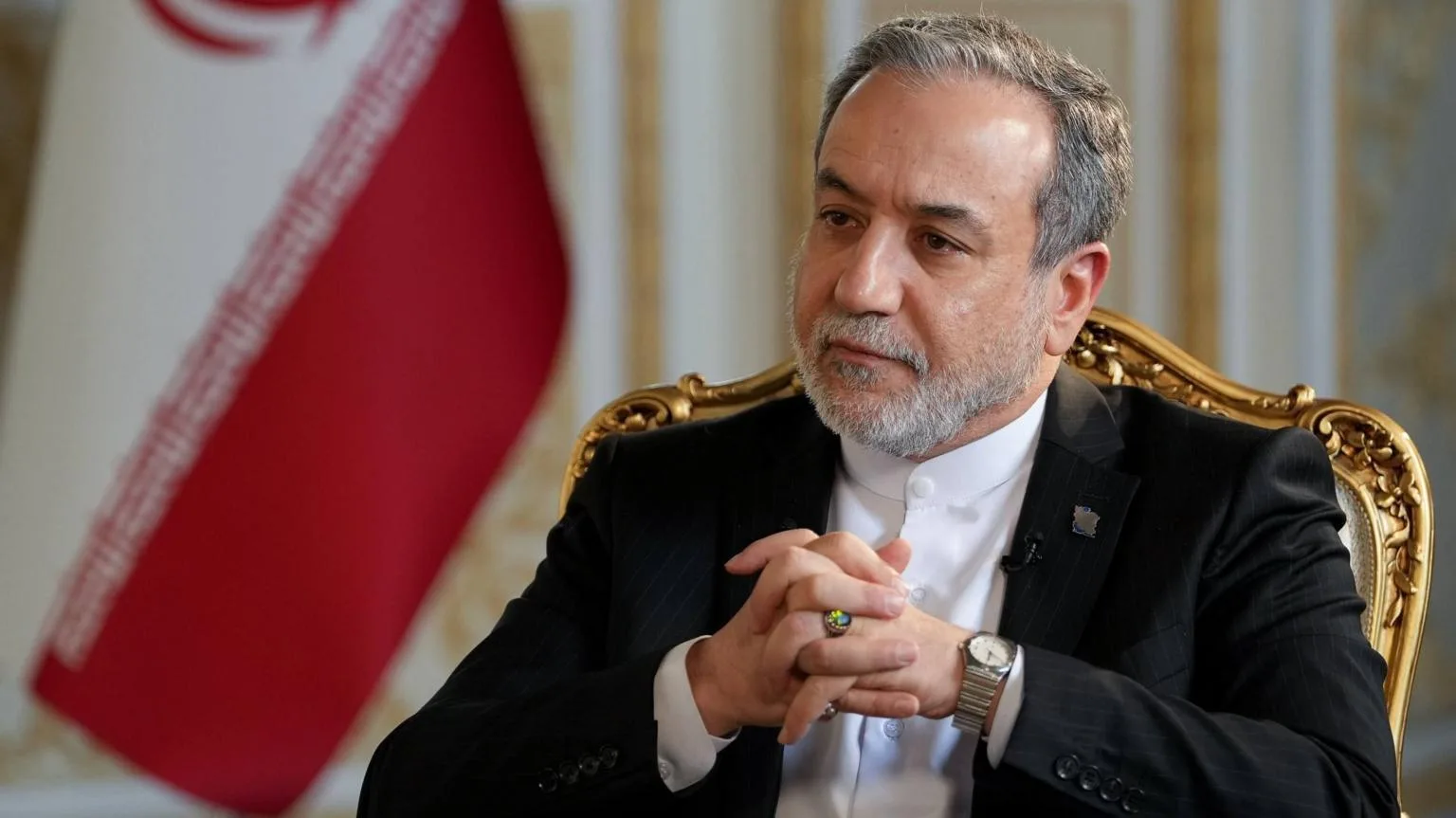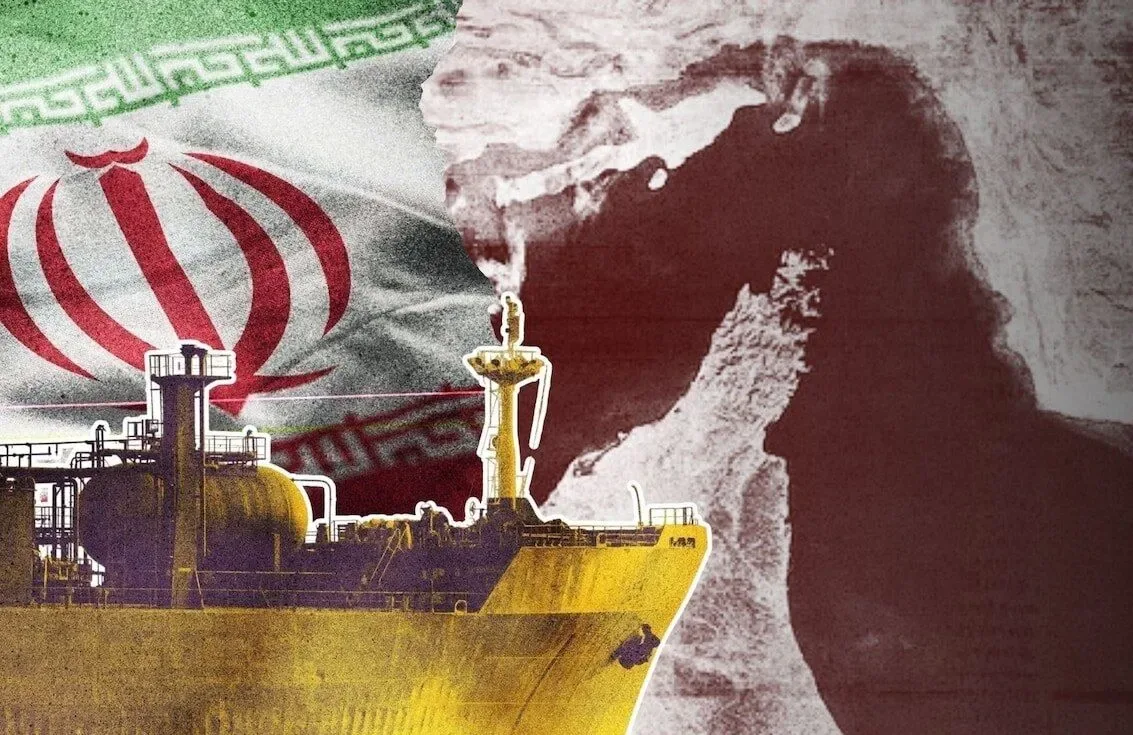
Ali Madani Zadeh, Iran's Minister of Economy, in response to the U.S. maritime blockade that has pressured the country's ports for months, has announced that Iran must activate its northern borders and shift its trade from southern ports to land corridors. This trade situation is particularly significant given the current conditions where trade through southern ports has been severely disrupted.
Potential of Land Corridors
Iran, with seven land neighbors and access to the Caspian Sea, theoretically has more options than countries that rely solely on a single maritime passage. Ali Madani Zadeh emphasizes that the northern ports of the country have an annual nominal capacity of over 30 million tons, of which currently less than one-third is utilized. This indicates a significant potential for increasing the transport of grains and foodstuffs via the Caspian Sea.
Read more: Whole chicken priced at 250,000 tomans in Tehran
Economic analysts, including a London-based expert, believe that Iran can capitalize on the unused capacities that exist along these routes. For example, rail freight transport between Iran and Turkey could help develop trade. Meanwhile, the Sarakhs and Incheh Borun borders connect Iran to Central Asia and Russia through Turkmenistan.
Cost and Capacity Challenges
However, there are significant challenges. Jafar Qadri, a member of the Iranian Parliament's Economic Commission, pointed out that 83% of Iran's total 210 million tons of imports are traditionally conducted through southern maritime borders. This massive volume of goods requires special attention. Majid Reza Hariri, head of the Iran-China Chamber of Commerce, has also warned about the high transportation costs from land routes. According to him, transporting a container from China to Iran via southern ports costs about $3,000, while the cost of transporting the same container via land routes is nearly four times higher.
Omid Shakouri, an energy strategist, also emphasizes that none of the alternative options can fully replace the massive shipments of crude oil. To transport the same volume of oil that a tanker can carry, thousands of tanker trucks are needed. This reality shows that changing energy routes is much more difficult than changing the routes of other goods.
The Goreh-Jask pipeline, built to reduce Iran's dependence on the Strait of Hormuz, is also facing challenges. The operational capacity of this pipeline has fallen short of its initial goals, indicating a need for greater coordination in infrastructure and facilities.
Ultimately, Ali Madani Zadeh and other Iranian officials hope that land corridors can help sustain Iran's economic activities. These routes could provide an opportunity for the transport of food, medicine, and industrial goods, strengthening Iran's economic ties with its neighbors. However, cost and capacity challenges remain in front of this strategy.
Read more: Bahaddin Hosseini Hashemi: Interest rates should direct capital to high-yield projects · Bahaddin Hosseini Hashemi: Increasing liquidity without production growth intensifies inflationary pressure