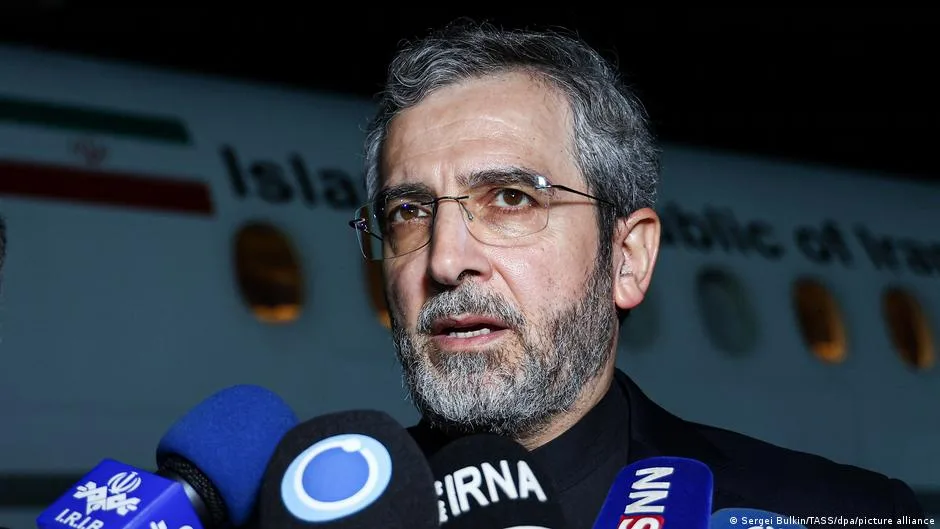
Ali Bagheri Kani, Deputy Secretary of Iran's Supreme National Security Council, in his latest statements on state television, emphasized that Iran will not settle for America's written promises and is calling for practical action from Washington. These remarks come at a time when Tehran and Washington have experienced four rounds of negotiations over the past year and a half, but each time these talks have been halted due to hostile actions and violations of commitments by the United States.
Emphasis on Fulfilling Promises
Bagheri Kani stated in this interview that Iran is seeking practical guarantees to begin a new round of negotiations. Referring to past experiences, he pointed out the United States' failure to adhere to its commitments, saying: "We will not rely on written promises and are demanding practical action from the United States." These statements clearly reflect Iran's disappointment with previous negotiations and its desire for real guarantees.
Read more: Mojtaba Aghvami-Panah: Illegal kiosks in Tehran will be stopped
Iran's Conditions for Continuing Negotiations
According to Iranian officials, Tehran has presented its seven main demands to Washington before any talks can take place. These demands include ending military threats and lifting sanctions. This indicates Iran's serious determination to obtain real concessions before returning to the negotiating table. In this context, a senior Iranian official had previously announced to the media that Tehran had submitted a nuclear proposal to Washington through Qatar and expects the U.S. to consider this proposal.
Meanwhile, regional tensions are also fueling this issue. Mustafa Al-Kadhimi, the Prime Minister of Iraq, emphasized in a conversation with Donald Trump, the President of the United States, the necessity of not using Iraqi territory to attack neighboring countries. These discussions reflect attention to the sovereignty of countries and the need for diplomacy to maintain stability in the region.
International and Regional Consequences
The Qatari government is also trying to play a mediating role in this crisis. A recent statement from Qatar regarding contacts between Sheikh Tamim bin Hamad Al Thani, the Emir of Qatar, and Donald Trump reflects these efforts. The aim of this mediation is to prevent escalation of tensions and achieve diplomatic solutions to resolve disputes between Iran and the United States.
At the same time, security and military institutions in the region, especially in Turkey and Saudi Arabia, are seeking new defense agreements that could help balance power in the region. The approval of a joint defense agreement between Turkey, Saudi Arabia, and Pakistan in the Turkish parliament, as a supportive measure against the threats of the Houthis and other Iran-backed groups, indicates growing concerns in this regard.
Given these developments, it seems that Iran is strongly emphasizing diplomacy and nuclear negotiations and is seeking guarantees that can help reduce tensions and improve the economic situation of the country. This is happening while the international and regional atmosphere remains influenced by political and military developments.
Read more: Red Crescent on alert in 15 provinces to deal with heavy rainfall · Secret White House meeting on resuming war with Iran