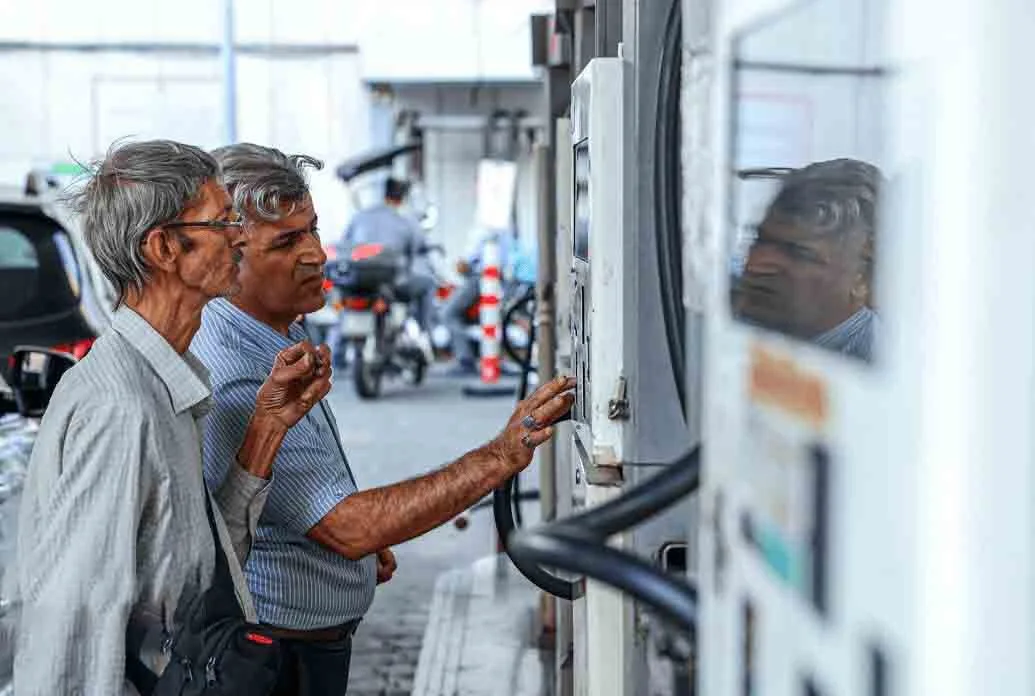
Ahmadi, the head of the Energy Commission of the Parliament, elaborated on the status of gasoline rationing and future plans for managing fuel consumption in a radio program. He stated that the Energy Commission, in collaboration with the Ministry of Oil and other relevant institutions, is seeking effective solutions to prevent fuel smuggling and optimize consumption management, emphasizing that these actions are aimed at improving refueling conditions in the country.
Fuel organization plans in three phases
In this program, Ahmadi referred to the timeline of this plan, saying: "The process of organizing fuel has been defined in three phases." The first phase has been implemented as a pilot in a number of stations, and in the second phase, this plan will be expanded to 3,000 stations. According to the planned schedule, the use of bank cards is set to be publicly implemented at all fuel stations in the country next week.
Read more: The increase in the ration card will only apply to certain income brackets
Rumors about gasoline quotas denied
The head of the Energy Commission of the Parliament, in response to rumors circulating on social media about reducing the 1,500 tomans gasoline quota from 60 liters to 30 liters and sudden price changes, clarified: "We are not looking to create shock in society and do not confirm the unofficial news that has been published." He emphasized that the main policy of the commission is to manage consumption through smart tools so that accurate monitoring of consumption can be achieved by recording transactions and preventing fuel smuggling.
Transparency in fuel distribution
Ahmadi also addressed concerns regarding the ceiling limit for refueling with bank cards, saying: "There are no specific restrictions on using bank cards for refueling, and the rumors regarding a 100-liter limit on 10,000 tomans gasoline are not true." He noted that these actions are in line with the seventh development plan of the country, and the ultimate goal is to gradually collect the free cards of the stations and replace them with personal and bank cards to create transparency in the fuel distribution network.
Read more: Oil prices rose after drone attacks on Saudi pipeline · Gasoline prices peak: Historical records in the autumn season