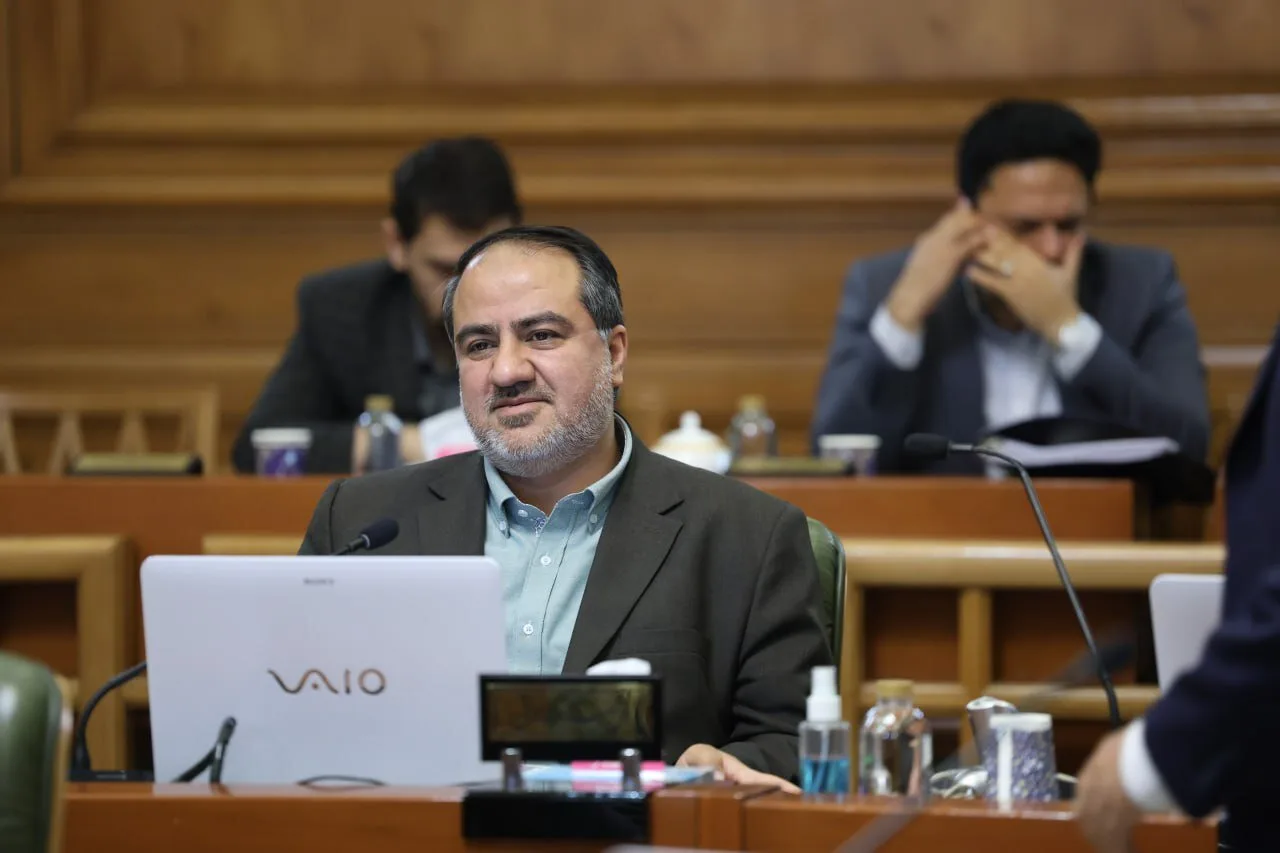
During the 435th meeting of the Islamic Council of Tehran, Ahmad Sadeghi stated that the goal of the plan to support the household livelihood basket is to assist family livelihoods and reduce the pressures caused by rising prices. He emphasized that people's livelihood concerns should not be reduced to political labels, saying: "The mentioned plan is based on a mechanism to keep the prices of 12 essential goods stable for a six-month period; our claim is not to eliminate overall inflation, but the main goal is to provide specific support for the essential household shopping basket."
Challenge with Critics and Request for Practical Solutions
Sadeghi, in response to critics who label this plan as "political" or "electoral," stated: "People expect us to find solutions to their problems. My question to the opponents is what they have done to reduce the livelihood pressures on the people? What specific proposal have they provided to reduce people's living costs and stood by it until results are achieved?"
He continued: "If you oppose this plan, present your alternative solution with specific financial resources, calculable costs, and without harming essential city services. The criterion is the actual benefit to the people against the public resources spent. Are you willing to subject your performance to the same scrutiny you apply to others and state what promises you made and what results you achieved?"
The Need for Close Oversight and Transparency in Implementation
The head of the Transparency Committee of the City Council emphasized: "If you label the act of alleviating people's lives as political maneuvering, then you should also engage in political maneuvering but solve a problem for people's livelihoods. Compete to reduce living costs, and if you have a better way, please go ahead."
Sadeghi, in another part of his remarks, stressed the necessity of close oversight of the implementation of this plan and added: "Support for the people does not mean a lack of oversight on implementation. The quality of goods, equitable access, prevention of price exploitation, and continuity in supply must be seriously monitored."
He concluded by asking the Mayor of Tehran to prepare and present a periodic and transparent report on the implementation of this plan, including costs, the number of benefiting households, the method of supply and distribution of goods, the economic savings for families, and implementation challenges to the City Council and public opinion so that judgments are based on actual performance. Sadeghi emphasized: "The field of service is open; instead of competing in labeling, let’s compete in solving people's problems."
Read more: 43-fold increase in tanker rates in the Strait of Hormuz · Increasing complexity of risks under uneven oversight of businesses