Ahmad Esmaeilzadeh, the Director General of the Nutrition Improvement Office of the Ministry of Health, stated at the commemoration of World Food Day and Healthy Nutrition that more than 80 percent of deaths in the country are due to non-communicable diseases, and unhealthy nutrition is considered one of the most important risk factors for the emergence of these diseases.
Worrying statistics on mortality due to unhealthy nutrition
He added: "Annually, about 450 to 460 thousand deaths occur for various reasons in the country, of which 30 to 35 percent are directly or indirectly related to nutritional factors." Obesity, inadequate consumption of whole grains, fiber, fruits, and vegetables, and insufficient intake of omega-3 fatty acids are among the nutritional problems in Iran.
Read more: Saving the life of a 2-year-old child in Dehdasht with brain surgery
Esmaeilzadeh also warned about the increase in obesity in the country, stating: "About one-fourth of school-aged children and adolescents are overweight or obese, which is a warning sign for their health in the coming years." In the adult population, the prevalence of overweight and obesity has reached 65 to 70 percent, meaning that nearly two out of every three individuals over 18 years old are overweight or obese.
Malnutrition and micronutrient deficiencies
The Director General of the Nutrition Improvement Office of the Ministry of Health further explained: "According to the latest national survey, the prevalence of thinness and stunting in children under 5 years old is about 5 percent, but in some provinces, this figure reaches 10 to 16 percent."
He pointed out the micronutrient deficiencies in the country, stating: "The prevalence of anemia in various groups, including children, adolescents, pregnant women, and women of childbearing age, is about 18 to 22 percent." This is while iron supplementation programs and flour fortification with iron and folic acid have been implemented in recent years.
Esmaeilzadeh also warned about the deficiency of zinc in the country, saying: "This problem is due to the consumption of breads that do not undergo proper fermentation and contain high levels of phytic acid, which can reduce the absorption of zinc and some other nutrients."
He continued to address the issue of vitamin D deficiency, stating: "In recent years, the statistics of this vitamin deficiency in some studies reached 70 to 80 percent, but now it has decreased to about 55 to 60 percent. However, more than half of the population is facing a deficiency of this vitamin."
The Director General of the Nutrition Improvement Office of the Ministry of Health pointed out the low consumption of dairy products, saying: "The average consumption of dairy products has dropped to less than one serving per day, while the daily requirement for individuals is about 2 to 3 servings." The increase in prices and incorrect nutritional beliefs have contributed to the decrease in dairy consumption.
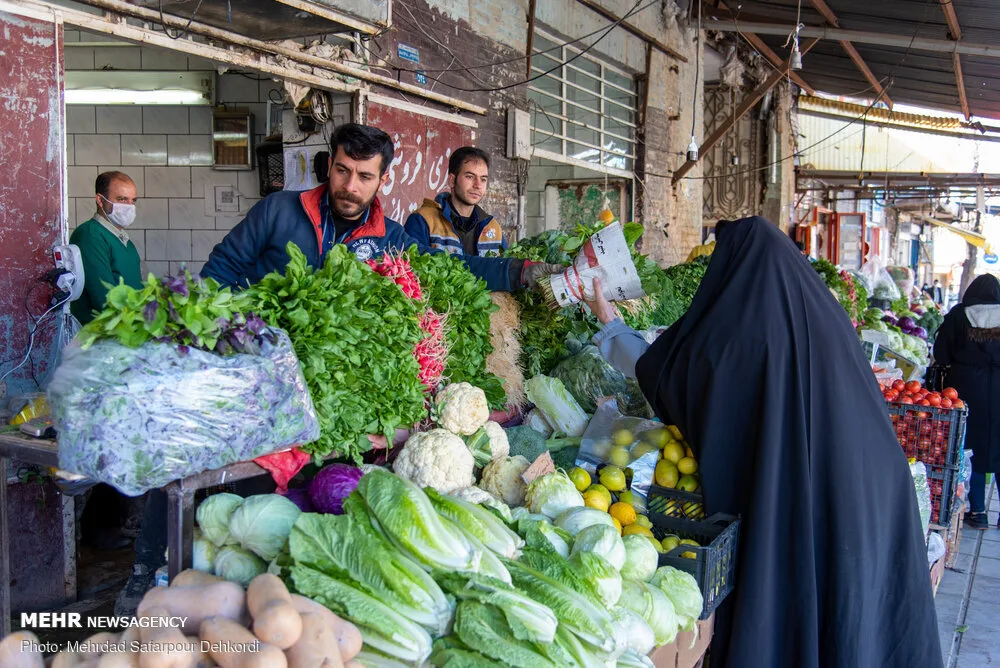
Esmaeilzadeh also expressed concern about the low consumption of fruits and vegetables in the country, stating: "More than 50 percent of people do not consume enough fruits and vegetables, while these foods play an important role in preventing non-communicable diseases."
Finally, he emphasized that the Ministry of Health is pursuing programs such as school milk and healthy nutrition education to improve the nutritional status of the people.
Read more: Dr. Bagher Larijani: 400 bone fractures are recorded daily in the country · Kim Jong Un's summer residence and its luxury vessels