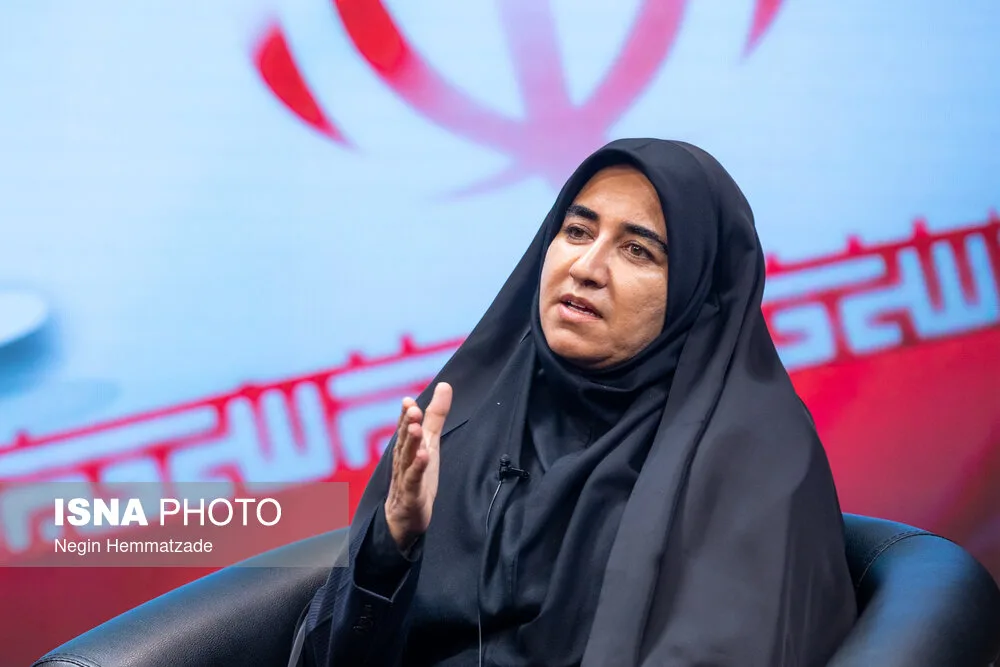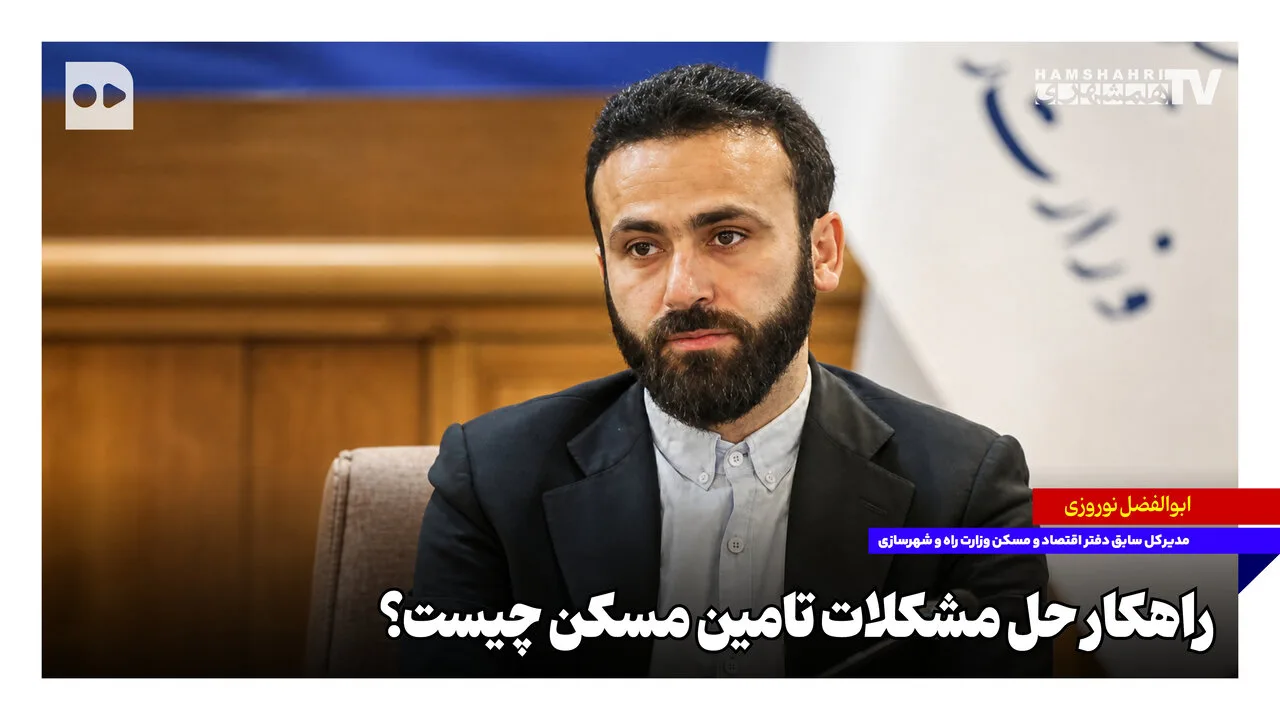
Abulfazl Norouzi, the former director general of the Economy and Housing Office of the Ministry of Roads and Urban Development, has addressed criticisms regarding the allocation of 800 hectares of land in Pishva for housing for those born in Tehran, deeming this action contradictory to the requirements of the Youth Population Law and the livelihood needs of families.
Challenges of Housing Supply and Social Pressures
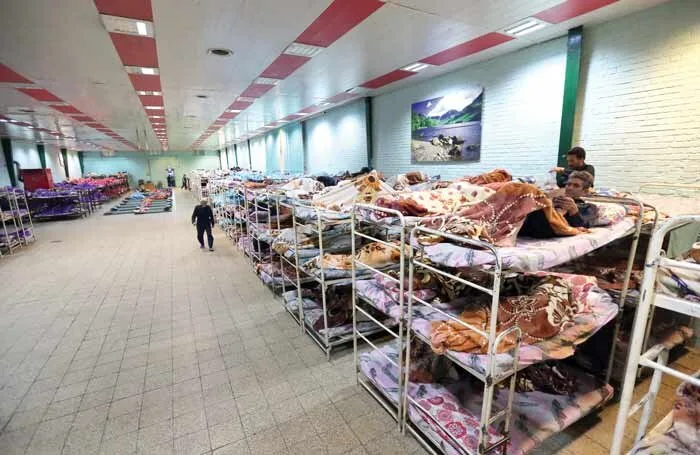
Providing housing is considered one of the main challenges facing Iranian society. With the increase in population and the need for housing for young people, the urgency of addressing this issue is felt more than ever. Norouzi pointed out that the allocation of land under current conditions cannot meet the real needs of families, and more comprehensive solutions must be devised to address this problem.
Read more: Changes in Iran's nuclear doctrine and upcoming challenges
The Necessity of Alignment with the Real Needs of Society
The former director general of the Economy and Housing Office of the Ministry of Roads and Urban Development believes that current policies must align with the social and economic realities of society. He emphasized that the allocation of land in Pishva will not only fail to solve housing problems but may also lead to new issues that exert more pressure on families.
Norouzi also referred to legal requirements and stressed the need to pay attention to the Youth Population Law. This law seeks to support families and facilitate their living conditions and must be seriously considered in housing-related decisions.
Meanwhile, criticisms of government policies in the housing sector continue, and many experts and social activists believe that more effective solutions must be devised to provide housing for young people and low-income families, especially in a situation where housing prices have significantly increased in recent years, making it difficult for many families to secure suitable housing.
Looking to the Future and Possible Solutions
In conclusion, Norouzi emphasized the need for collaboration among various institutions and the utilization of existing capacities to create better conditions in the housing sector. He believes that with proper planning and inter-agency cooperation, housing problems can be solved and the real needs of the people can be addressed.
Ultimately, the issue of housing provision is not only a social necessity but also a vital economic matter that requires special attention and effective actions so that families can live in better conditions.
Read more: Iraqi: We are waiting for the final response from the American side · Land and housing management in Iran will progress with the allocation of 146 thousand hectares of land