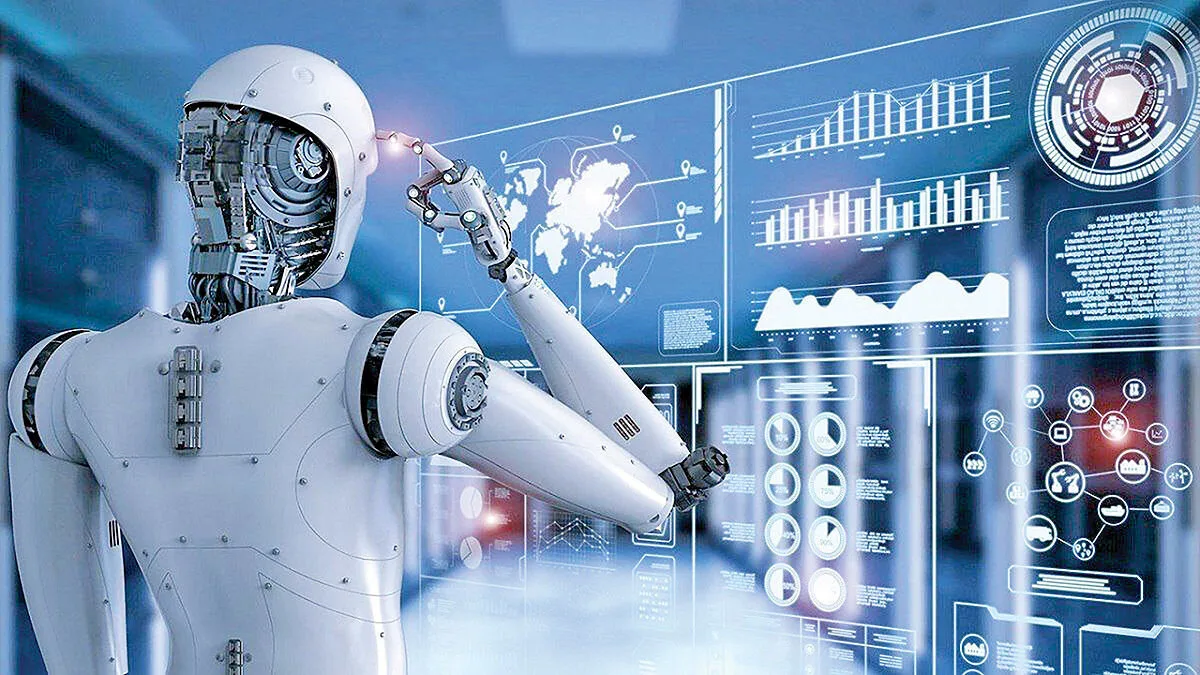
Artificial intelligence is rapidly changing the job landscape of the world, and these changes are particularly evident in areas where tasks are standardized and predictable. These developments not only affect organizational structure but also alter the career paths of many individuals.
Jobs Affected by Artificial Intelligence
Some jobs that are at risk due to automation and artificial intelligence include accounting, customer service, manufacturing, and even transportation-related jobs. Accountants may be replaced by AI software that can handle financial matters quickly and accurately. Similarly, customer service jobs that require information processing and answering questions may face chatbots and AI systems.
Read more: Li Mingbo: China Should Leverage U.S. Immigration Policies to Attract Technology Elites
Social and Economic Consequences
These changes in the job sector not only impact the labor market but can also lead to social and economic changes. Increased unemployment in certain areas may lead to social discontent and heighten the need for new training and skills in the labor market. Additionally, there may be a future need for changes in economic and social policies to support those who lose their jobs.
However, artificial intelligence also creates new opportunities for job creation in technology, data mining, and information analysis. This reality indicates that the transformations brought about by artificial intelligence in the labor market can be twofold.
Ultimately, it is important for individuals and organizations to prepare for these changes. Employers should seek ways to enhance the skills of their workforce, and employees should strive to learn new skills and adapt to new technologies. This collaboration can help create a more sustainable and balanced labor market.
Read more: Donald Trump: I Am Forming an Artificial Intelligence Force · Top Cities in the World in 2026 and Their Distinguishing Features