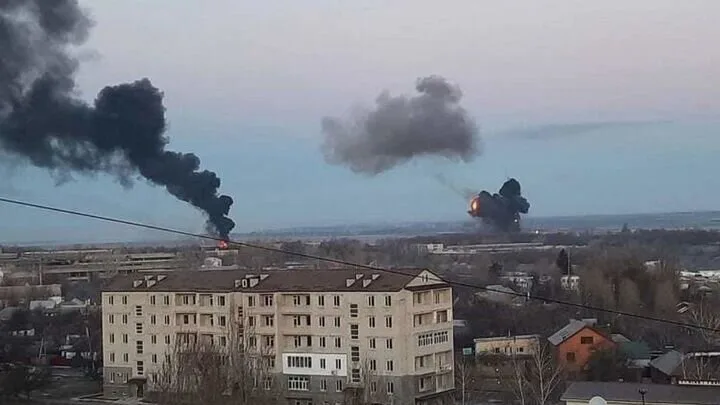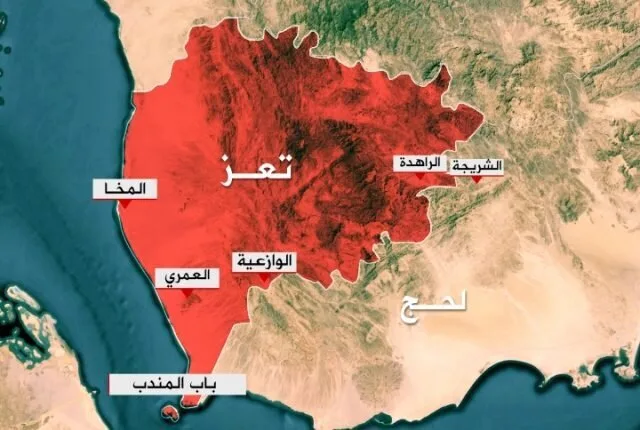
On Monday, the Yemeni army reached the outskirts of Taiz from several axes, intensifying concerns about the city's fate. As the army forces approach the southern gate of Taiz, the likelihood of the city's fall has become one of the hot topics in the media, drawing attention.
Situation in Taiz and Challenges Ahead
Simultaneously with their deployment at the eastern and western gates of Taiz, Yemen's army forces advanced towards the southern gate of the city. This situation has posed difficult options for armed groups affiliated with Saudi Arabia, especially since some of these groups continue to refuse to relinquish the city without conflict.
Read more: Trump Administration: U.S. Elections Will Not Affect War with Iran
Local sources report that the Yemeni government is seeking to prevent bloodshed and maintain security in densely populated areas, offering mercenaries the opportunity to exit Taiz with a guarantee of safe passage. This source also stated that the decision for a general amnesty includes all individuals except those who have committed crimes.
Disputes Among Forces and Efforts to Normalize the Situation
There are disputes and divisions among the armed groups stationed in Taiz. Some military commanders and political figures have traveled to Aden and Marib with the agreement of the Yemeni army and under its protection. The proposal from Ansar Allah for the departure of Saudi-affiliated leaders remains valid, and the Yemeni government is preparing to normalize life in Taiz.
On Monday night, Yemen's army took control of the central prison in the city, and intense clashes occurred at the southern gate with groups affiliated with Saudi Arabia. Local sources report severe clashes around Jabal al-Arous and Jabal Sabir, which are considered some of the most important defensive positions of Taiz.
Despite the significantly reduced chances for Saudi-affiliated forces to maintain control of Taiz, Saudi Arabia continues to pressure armed groups to persist in their resistance. This pressure has also brought the threat of street warfare.
Beginning a New Phase of Normalization in Taiz
The Yemeni government has also announced the reopening of blocked roads, and local officials affiliated with it have stated that they are ready to end the fuel and domestic gas crisis. Yemen's army has assured the residents of this city, estimated to have a population of around three million, that the protection of their lives and property is a priority.
On the Bab al-Mandab front, Yemen's army conducted operations to bypass the positions of Saudi-affiliated groups. This operation aims to besiege these groups in the outskirts of Dhubab and the al-Suqiya area within the Ras al-Arah region, in the west of Lahij province. This advance could expose any reinforcements coming from Aden and along the coastal route to fire.
Read more: Military Helicopter Crash in Quetta Kills 2 Pilots · Yemen War and the Challenges of Normalizing Relations between Saudi Arabia and the Zionist Regime