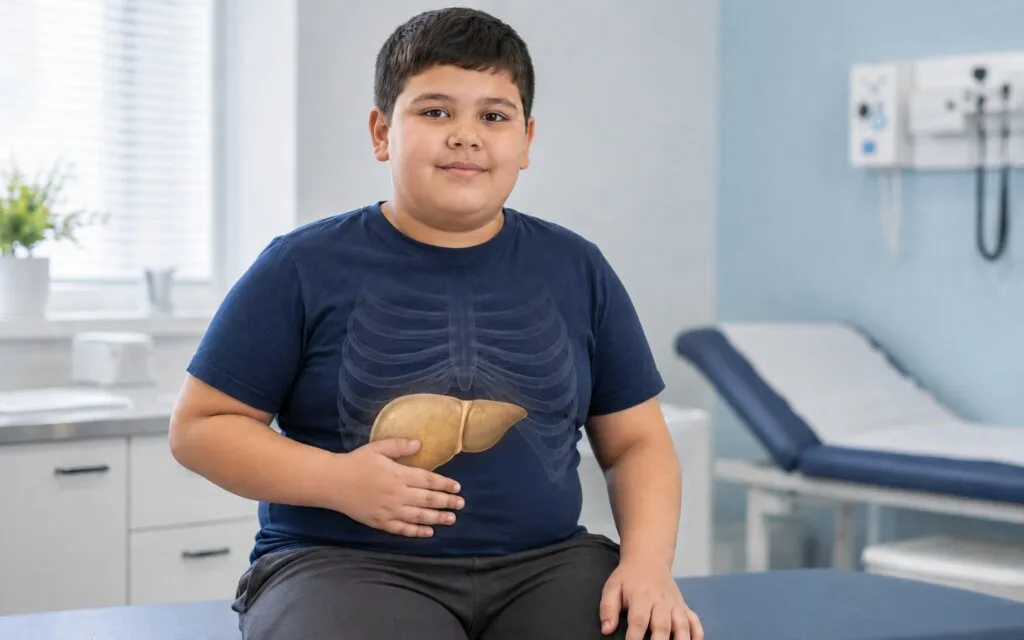
Hosseini Alimadadi, the head of the Gastroenterology and Liver Department at the Children's Medical Center, reported a concerning increase in cases of fatty liver among children and said: "This disease is no longer limited to adults, and lifestyle changes, lack of physical activity, and increased consumption of high-calorie foods have exacerbated this issue."
Factors Contributing to Fatty Liver in Children
Alimadadi, on the sidelines of the 38th International Congress on Pediatric Diseases, examined the causes of the increase in fatty liver in children. He stated: "Sedentary lifestyle, consumption of foods high in sugar and fat, and excessive use of social media are among the factors threatening children's health."
Read more: The Ministry of Health reported an increase in COVID-19 infections to 11 percent
This pediatric gastroenterology specialist noted: "Fatty liver is generally seen in children who are overweight or obese. Other factors may also play a role in the onset of this disease, but the most common cause is indeed overweight and obesity."
Consequences of Fatty Liver and the Need for Health Check-ups
Alimadadi warned families that if their child is overweight, even without any visible symptoms, they should consult a doctor for a health check-up. He said: "The greater the child's weight and level of obesity, the higher the likelihood of developing fatty liver and related diseases."
One of the challenges posed by fatty liver is the lack of clear symptoms. Affected children may show no visible signs and only seek a specialist when blood tests indicate elevated liver enzymes or when fatty liver is detected in an ultrasound.
Ways to Prevent Fatty Liver in Children
Alimadadi identified lifestyle modification as one of the most important ways to prevent fatty liver in children, stating: "Children should have adequate sleep, which includes about 8 hours of nighttime sleep. Additionally, daily consumption of 5 servings of fruits and vegetables, limiting the use of electronic devices such as mobile phones and tablets to a maximum of 2 hours per day, and including at least one hour of physical activity in children's daily routines are other important recommendations."
He also emphasized limiting the consumption of sweets, fruit juices, fast foods, and fatty foods, saying: "These foods should be eliminated or their consumption limited as much as possible from children's diets."
Alimadadi pointed out that there are no accurate statistics on the prevalence of fatty liver among Iranian children, stating: "It seems that the number of affected children is increasing annually, and one of the contributing factors to this trend has been the COVID-19 pandemic."
This specialist noted the impact of economic conditions on family dietary patterns, saying: "As part of the community becomes poorer, access to nutritious foods like fruits and vegetables decreases, while the consumption of carbohydrates and fast foods increases."
Alimadadi warned that if this situation continues, we will face an epidemic of fatty liver in children in the coming years. He expressed concern about the serious consequences of this disease, which could lead to cirrhosis and liver failure.
Read more: Erectile Dysfunction and Its Impact on Couples' Intimacy · Special Training for Children and Adolescents in the Janfada Campaign