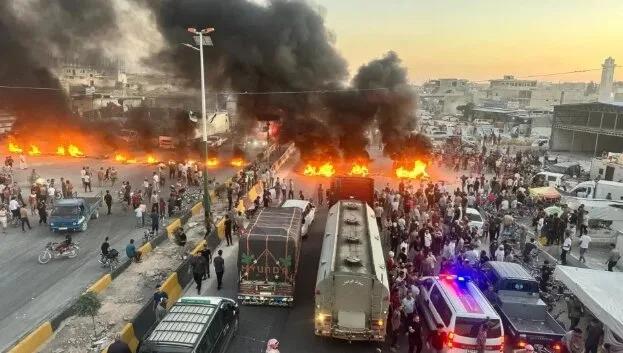
Protests against the increase in fuel prices in Syria have widely started in 8 different provinces of the country. These developments come amid growing concerns about the cost of living and people's purchasing power. People are expressing their dissatisfaction with the sudden rise in fuel prices by gathering in the streets and holding protests.
Reasons for Fuel Price Increase
The increase in fuel prices in Syria is attributed to several factors. One of the most important reasons is the economic problems and international sanctions that have put significant pressure on the country's economy. Additionally, the rising costs of fuel production and distribution under the current conditions have exacerbated this issue. Meanwhile, Syrian families, who have already been struggling with financial difficulties, are now facing increased living costs, especially fuel expenses.
Call for Impeachment of the Oil Minister
Following these protests, members of the Syrian parliament have summoned the oil minister and have called for his impeachment. This request has emerged as a reaction to the widespread criticisms regarding his management in the energy and fuel sector. Government opponents believe that the oil and energy policies of the government are not in the interest of the people and require serious reforms.
Protests have significantly increased in major cities such as Damascus, Aleppo, and Latakia, and security forces are trying to respond to these gatherings. Nevertheless, people continue to take to the streets and voice their protests to the authorities. These protests not only reflect the people's dissatisfaction with the economic situation but also serve as a warning signal for the government.
Social and Political Consequences
These protests could have profound social and political consequences for Syria. While people are demanding improvements in economic conditions and solutions to their livelihood problems, the government must also respond to these demands. Ignoring these grievances may lead to increased tensions and instability in the country.
In this situation, the role of the media and civil institutions is crucial. They can help reduce tensions by conveying the people's voices and creating a space for dialogue. Additionally, the government must seriously address economic and social issues and provide practical solutions to improve the situation.
Overall, the recent protests in Syria not only indicate the people's dissatisfaction with the current situation but could also be considered a turning point in the political history of this country. Given the current circumstances, it seems that the people of Syria need change and improvement in their situation more than ever.