In today's world, critical mineral resources are recognized as a balance of global power. The United States, realizing the importance of these resources, has recently begun efforts to strengthen its domestic supply chain. However, these actions alone seem insufficient to push China out of the economic competition.
Dependence on China
China is currently recognized as the largest producer and supplier of minerals in the world. This country is not only a leader in the extraction and production of these materials but also acts as a key player in the global supply chain. While the United States is trying to strengthen its domestic capacities, China is rapidly expanding its influence in global markets.
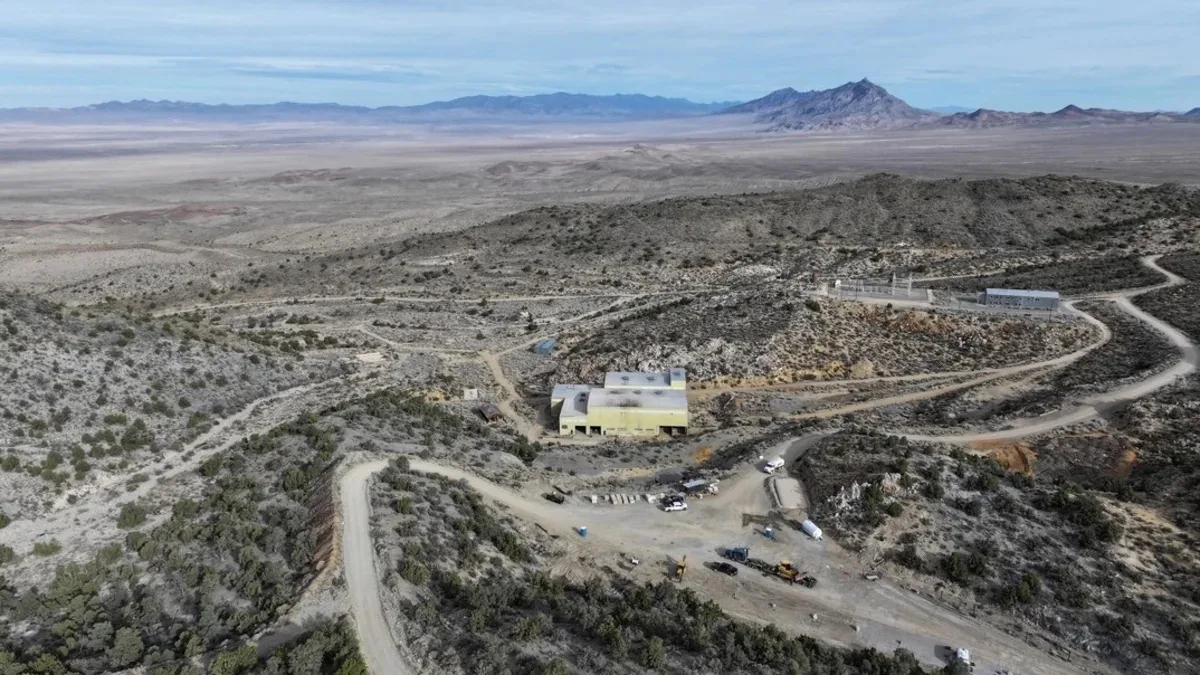
The recent strategy of the United States includes identifying and developing domestic mineral resources as well as strengthening collaborations with other countries in the field of mineral supply. However, experts believe that these efforts alone cannot lead to success. This is because China, with significant investments in mining projects in various countries, is essentially creating a global supply network that the United States cannot easily compete with.
Challenges Ahead
Moreover, the United States faces multiple challenges in the extraction and processing of minerals. Environmental issues, high costs, and a shortage of skilled labor are among the problems that the country must overcome. Meanwhile, China has managed to establish its position in global markets due to its large-scale production and lower costs.
It seems that the United States needs a comprehensive and long-term strategy to reduce its dependence on China. This strategy should include optimal use of domestic resources, investment in innovative technologies, and strengthening relations with other countries. Otherwise, current efforts will merely become a delayed reaction that cannot prevent China's continued dominance in global markets.